just now


Liquidity Finder Ltd is incorporated in England and Wales, company number 10610740, registered address 167-169 Great Portland Street, Fifth Floor, London W1W 5PF, United Kingdom.
Published: just now


The U.S. dollar stayed under intense selling pressure through the final week of April, capping off its worst monthly performance so far this year.
Sentiment surrounding the dollar has clearly shifted, and the outlook is turning increasingly negative as we head into May.
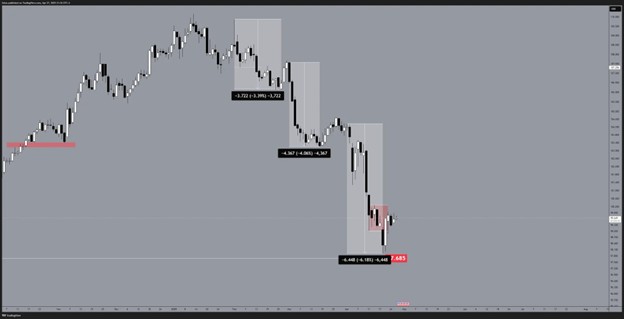
The greenback posted sharp losses against major currencies, with the Dollar Index (DXY) falling below the key 100 mark for the first time in more than three years — a significant psychological setback for dollar bulls.
However, the dollar managed to claw back a portion of its losses since April 21, finding brief pockets of support driven by several factors:
In mid-April 2025, Trump intensified his criticism of Powell, labeling him "a major loser" and stating that Powell's "termination cannot come fast enough.”
Although Trump later clarified that he had "no intention" of firing Powell, the damage to market confidence had already been done.
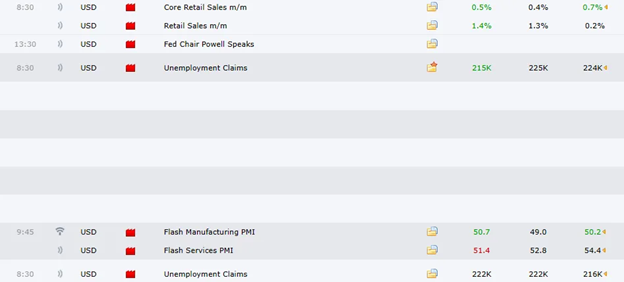
These solid economic reports painted a picture of a still-resilient U.S. economy:
All of this reduced the urgency for Fed rate cuts, providing the dollar temporary fundamental support even as broader risks loom ahead.
The combination of strong U.S. consumption, a firm labor market, improving manufacturing, and steady Fed messaging helped the dollar recover from deeply oversold levels ahead of the critical NFP report.
Check out the previous analysis: https://acy.com/en/market-news/market-analysis/gold-retreats-3500-dollar-rebounds-us-data-j-o-04252025-135047/
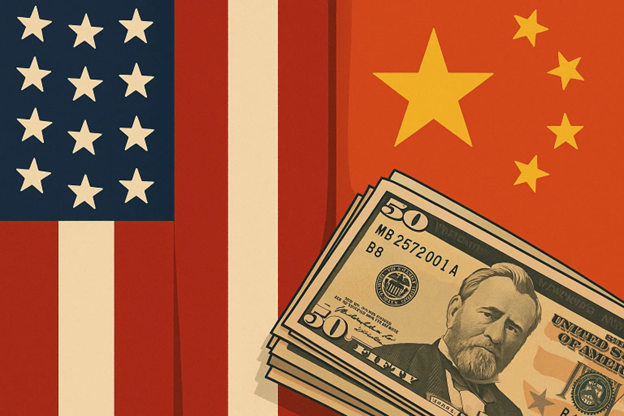
Over the past week, there have been reports that the U.S. may reduce some of the previously proposed tariff hikes on Chinese goods — scaling them back from extreme levels like 145% down to around 50–65%
Why would this help the dollar?
Lower tariffs mean less upward pressure on consumer prices. That reduces fears of stagflation (high inflation + low growth), which had been weighing heavily on U.S. economic sentiment.
With lower tariffs, imported goods remain cheaper. American consumers can maintain their spending power, helping to support economic growth, which is bullish for the dollar.
Even partial tariff relief eases global market anxiety. This helps risk sentiment recover, while also reducing pressure on the Fed to react aggressively with rate cuts — indirectly stabilizing the dollar.
If markets believe the trade war risks are peaking or easing, foreign investment into U.S. assets can recover, which supports dollar demand.
Even though the dollar remains under broader pressure from other factors (Fed cuts, twin deficits, global rotation), the news of tariff reductions against China has been a short-term positive catalyst, helping the dollar rebound from its recent oversold levels.
But now, all eyes are locked on one major event that could change everything: this Friday’s Non-Farm Payrolls (NFP) report.

With concerns mounting over slowing U.S. growth, stubborn inflation, and rising trade tensions, this week’s jobs data could tip the balance. Economists are forecasting a cooling labor market, a 4.2% unemployment rate and lower than previous numbers of 130k dropping from 228k.
The stakes are high:
Aside from NFP, several high-impact U.S. data releases are scheduled this week. Their outcomes could heavily influence whether the U.S. dollar extends its rebound — or resumes its downtrend.
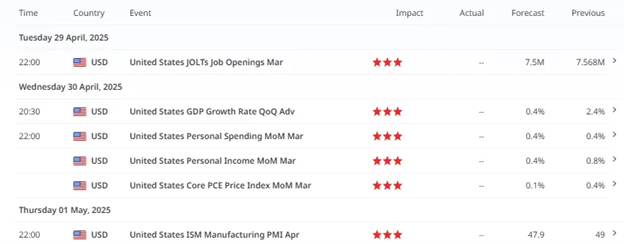

If U.S. jobs, consumer spending, inflation, and manufacturing data beat expectations, the dollar could extend its recovery, especially against weaker currencies like the yen or Aussie.
But if GDP and ISM show sharp weakening, and inflation falls faster than expected, markets would likely price in more aggressive Fed rate cuts — causing the dollar to resume its broader downtrend.
Bottom Line:
This cluster of data (especially Core PCE and GDP) is critical because it sets the tone heading into NFP.
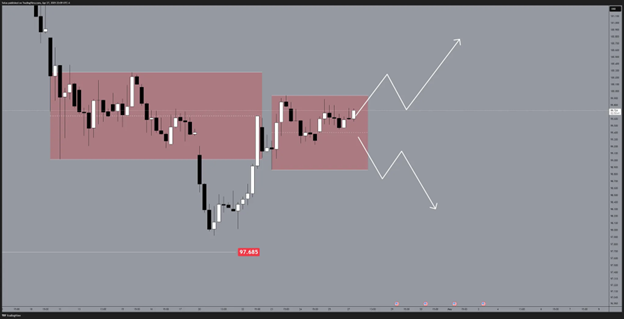
Although the dollar experienced a modest and temporary recovery, it was not enough to signal a full reversal or unlock meaningful upside potential. Selling pressure remains more evident than buying interest, and the path of least resistance continues to favor further downside moves.
There are more scenarios that we can see out of this, our approach is to look for confirmations if price is willing to go to a certain direction.
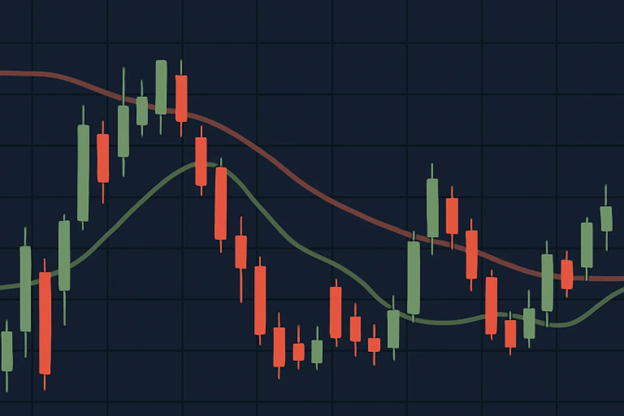
Step 1: Set Clear Scenarios
Before any trade, outline both bullish and bearish outcomes based on the data. Know what you expect and what invalidates your view.
Step 2: Wait for Confirmation
Do not react to the first spike after news. Let the market show its hand — through a sustained breakout, retest, or clear reversal pattern.
Step 3: Align Structure and Momentum
Only take trades when technical structure (support/resistance break) aligns with the underlying momentum and the fundamental backdrop.
Step 4: Manage Risk Proactively
Use smaller position sizes around volatile events. Scale up only if the trend extends cleanly after confirmation.
Step 5: Stay Adaptive
If the data surprises or price reacts unexpectedly, drop your bias and adjust. In fast-moving markets, flexibility is a trader’s real edge.
"Patience is not simply the ability to wait — it's how we behave while we're waiting."
— Dr. Brett Steenbarger, trading psychologist and performance coach
With the U.S. dollar sitting at a critical crossroads, the next few days of fundamental releases will likely set the tone for May. Whether the greenback can reclaim strength or continues its broader decline will depend on how markets react to incoming data — not just the numbers themselves, but the overall shifts in sentiment. As volatility picks up, the key is to stay patient, wait for confirmation, and let price action reveal the real story. In this environment, discipline and adaptability will be far more valuable than prediction.
Check Out Our Market Education
Learn how to navigate yourself in times of turmoil. Check out my market education links:
Want to learn how to trade like the Smart Money? Check out my new contents:
https://acy.com/en/market-news/education/smc-playbook-series-beginners-guide-j-o-04032025-155530/
Follow me on LinkedIn: https://www.linkedin.com/in/jasperosita/
This content may have been written by a third party. ACY makes no representation or warranty and assumes no liability as to the accuracy or completeness of the information provided, nor any loss arising from any investment based on a recommendation, forecast or other information supplies by any third-party. This content is information only, and does not constitute financial, investment or other advice on which you can rely.
ACY Securities is one of Australia's fastest growing multi-asset online trading providers, offering ultra-low-cost trading, rock-solid execution, technologically superior account management and premium market analysis.

Select the categories and companies you wish to follow directly to your person rss feed.
Create Custom RSS FeedSign up and join over 5,000 professional members who receive personalized news alerts, curated professional connections, and more for free!
Bybit has launched Perp Options, described as the first options contracts built on TradFi perpetuals, giving traders round-the-clock access to US equity options. SpaceX and Nvidia are the first underlying assets, with USDT settlement and integration into Bybit's Unified Trading Account.
Use this trading preparation checklist to plan your session, define entry rules, manage risk, and build a disciplined trading routine in seven steps.
Your Bourse expands its crypto liquidity ecosystem with Caladan, giving brokers access to broader market coverage, institutional execution capacity and streamlined settlement.
Scope Markets, the retail brokerage part of Rostro Group, has appointed Ibrahim Hossny as Head of Research and Marketing for the Middle East and North Africa.
Hantec Prime, the institutional division of Hantec Markets, has reported trading volume up more than 300% year-to-date, alongside the addition of 42 new institutional clients since December, capping one of its strongest years of growth to date.
Learn how to refine XAUUSD support and resistance on the daily chart using candle bodies, market structure and weekly gold levels for swing trading. A slug alone cannot guarantee a top Google ranking. Keep it focused rather than adding every supporting keyword.
The week in Dubai will be focused on connecting directly with the industry and discussing how technology can help modern brokerages simplify operations, automate workflows, strengthen operational control, and scale efficiently.
Devexperts has launched a turnkey solution giving brokers in South Korea access to US equity markets, combining its DXtrade trading platform, dxFeed market data, and execution services. The offering targets South Korea's growing retail demand for US stocks, worth several billion USD monthly.
Assess why WTI crude oil surged past $105 per barrel amid Saudi pipeline disruptions, record tanker charter rates, and escalating geopolitical tensions.
Bitcoin price forecast: BTC/USD retests $78,460–$80,215 resistance. Watch bearish confirmation toward $72,480 or a bullish breakout toward $86,150.