

Interest Rates as a Remote Control: How are Interest Rates affecting the portfolio?
 ACY Securities - Ira Reyes
How High Interest Rates Block Your Portfolio’s Signal?
High interest rates make it harder for companies to grow. When rates go up, companies pay more to borrow money and have less money to use for their business. At the same time, people spend less because loans and credit cards become more expensive.
Because companies earn less money, investors may lose interest in their stocks. This can cause stock prices to go down, which can lower the value of your portfolio.
How Does the “Remote Control” of Interest Rates Work?
Interest rates affect how investors value a company’s future profits. When interest rates are high, those future earnings become less valuable.
High rates also make borrowing more expensive, which slows down company growth and reduces customer spending. As profits decrease, investors may move their money from stocks to safer options like bonds. This can cause stock prices to fall and lower the value of your investments.
Factors That Affect Interest Rates
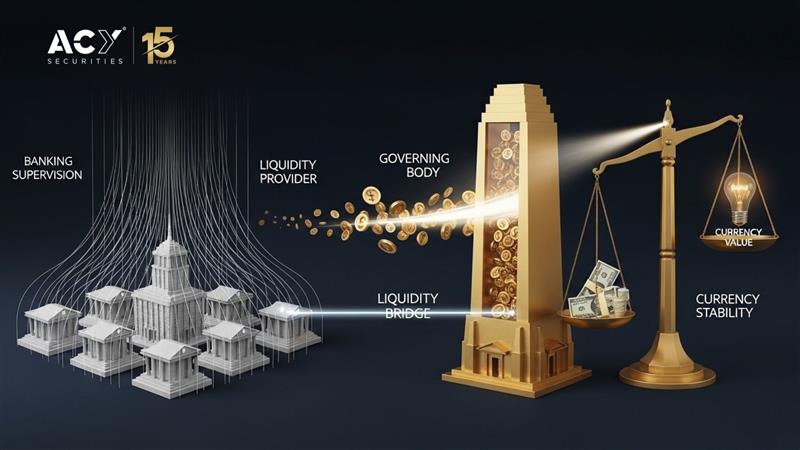
Inflation
Inflation means the prices of goods and services go up. When prices rise, your money can buy less than before. Because of this, interest rates may increase to help control spending.
Central Bank
The central bank manages the country’s money and banking system. It acts like a referee, making sure banks follow the rules. It also controls how much money is in the economy. By adjusting interest rates, the central bank helps keep prices stable.
Supply and Demand of Credit
Interest rates depend on how much money is available and how many people want to borrow it.
- If many people want to borrow money, interest rates go up.
- If fewer people borrow, interest rates go down.
Interest is the extra money you pay when you borrow.
Economic Growth
The state of the economy affects interest rates. When the economy is growing fast, interest rates may rise to control spending. When the economy is slow, rates may go down to encourage borrowing and spending. Banks adjust their rates to protect their money and avoid losses.
How Interest Rates Affect Banks
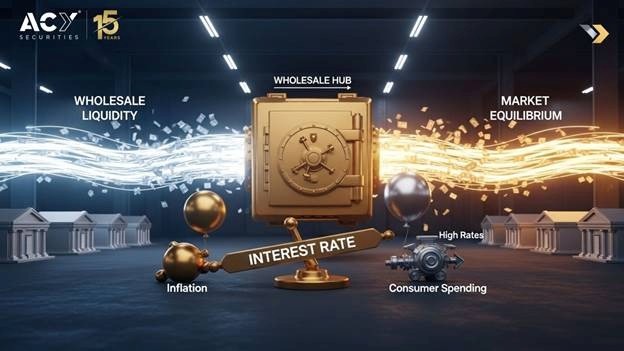
The central bank acts exactly like a wholesale supplier for cash. Higher rates make borrowing money and managing debt much more expensive.
Rising rates also help your personal savings accounts earn far more interest. This constant tug-of-war aims to efficiently cool inflation or encourage spending.
Interest rates operate as a direct gas pedal and brake for the economy. Central banks adjust these numbers to change the cost of borrowing money. These adjustments speed up or slow down economic activity as needed. The ultimate goal is to keep financial markets completely stable.
Economic Thermostat
Rates go up to fight inflation by making borrowing more expensive. Officials hike rates to cool down an "overheating" economy before it crashes. Global events, like oil price spikes, heavily influence local borrowing costs. Higher rates protect local currency values and attract government bond investors.
What is a Capital Market?
Think of capital markets as a global matchmaking service where organizations that need cash connect with people who want to invest it. To get this money, companies and governments sell things like stocks (ownership) and bonds (loans) to the public. This cycle keeps the economy running by turning individual savings into the funding for new businesses, roads, and technology.
How Do Interest Rates Affect Capital Markets?
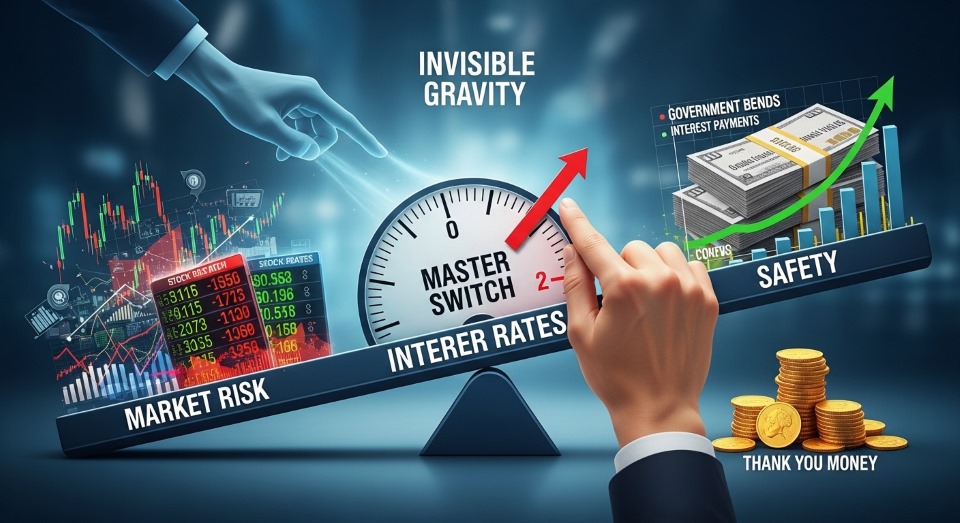
Interest rates act as a market's master switch and represent the actual price you pay to borrow money. Rising rates act like invisible gravity pulling down stock prices. Higher rates make safe bonds more appealing with guaranteed "thank you" money. This dynamic creates a seesaw effect between market risk and safety.
Types of Capital Markets
Capital markets are split into two main types based on what is traded and how it is sold.
The Stock Market (Equity)
The stock market is a place (usually online) where people buy and sell pieces of companies called stocks. Owning a stock is like owning a tiny piece of a business, such as McDonald's. If the company does well or makes popular products, the value of your stock can go up.
Investors aim to buy stocks when they are cheaper and sell them later for a higher price. Some companies also pay owners extra money called dividends. Stocks let you share in a company’s success and profits.
The Bond Market (Debt)
Bonds are loans you give to a company or government for a set time in exchange for interest payments. A bond has three parts:
- Face value – the amount you lent
- Coupon rate – the interest paid regularly
- Maturity – the date you get your original money back
Interest payments are like a “thank you” for lending money. Bond prices and interest rates work like a seesaw: when interest rates go up, bond prices go down, and vice versa. At the end, you get your original money plus the extra interest you earned.
Who is Selling (When)
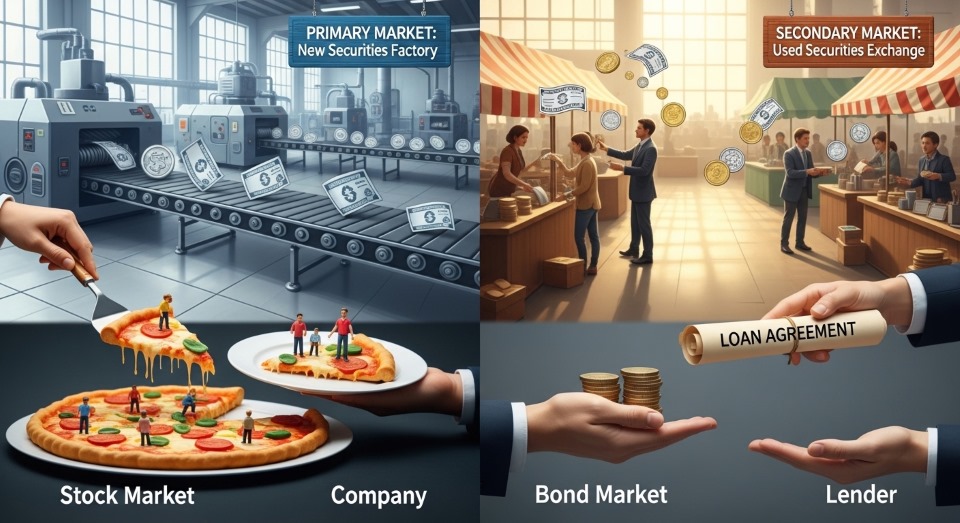
- The Primary Market: Where new things are born. Companies sell stocks or bonds directly to investors for the first time to raise cash, such as an IPO (Initial Public Offering). The primary market is the financial factory where companies and governments raise cash by selling brand-new stocks and bonds directly to investors for the first time.
To launch these new investments, a company hires an underwriting firm to manage the sale and set the starting price. This firm then produces a prospectus, which serves as an official guidebook detailing the investment's costs, risks, and benefits for potential buyers.
- The Secondary Market: The used market like the DJIA or NASDAQ is an example where investors trade with each other after the company has already received its initial funding. The secondary market is split into two main styles: auction markets and dealer markets.
In an auction market, like the New York Stock Exchange, buyers and sellers gather in one place (physically or digitally) to announce their prices openly; in a dealer market, most everyday investors trade through electronic networks where specialized dealers handle the transactions.
What are Foreign Exchange, Futures, and Cryptocurrency?
Foreign Exchange (Forex)
Foreign exchange is where people trade money from different countries. For example, you can swap U.S. dollars for euros or Japanese yen. The value of money keeps changing because of things like interest rates, trade, and news about the economy. People trade currencies to make money or to protect their investments.
Futures
Futures are agreements to buy or sell something later at a price you decide today. This could be oil, gold, wheat, or other stuff. They help businesses and investors plan ahead and avoid surprises if prices change. The price of futures can go up or down depending on supply, demand, and world events.
Cryptocurrency
Cryptocurrencies like Bitcoin are digital money you can use online. Banks or governments don’t control them. People can buy, sell, or trade crypto on the internet. Prices can jump up or down fast because of news, rules, or how many people want to buy or sell.
How Interest Rates Affect Stocks, Bonds, Foreign Exchange, Futures and Crypto Currency?
Interest rates have a big effect on many financial markets. When interest rates are low, borrowing money is cheaper, which helps companies grow and increase their profits. This often makes investors more willing to buy stocks, causing stock prices to rise.
At the same time, older bonds that pay higher interest become more valuable, so their prices also go up. Low rates can also encourage investors to seek higher returns in riskier assets like cryptocurrencies, which can push crypto prices higher.
On the other hand, high interest rates make borrowing more expensive. Companies may grow more slowly, profits can drop, and investors might sell stocks, causing prices to fall. Older bonds lose value because new bonds pay more interest, and investors often move money into safer assets instead of cryptocurrencies, lowering crypto prices.
Interest rates also affect foreign exchange markets. High rates attract foreign investors who want better returns, which strengthens the country’s currency, while low rates make the currency less attractive and can cause it to weaken.
Even futures contracts are influenced because interest rates change the cost of holding or carrying an asset, making contracts more or less expensive depending on whether rates rise or fall.
Example for stocks:
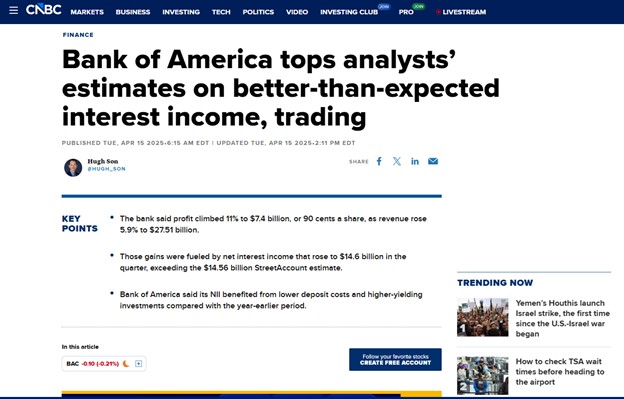
A real example is Bank of America (BAC), one of the biggest banks in the U.S. When interest rates change, it affects how much money the bank earns and can make its stock go up or down.
Example for bonds:
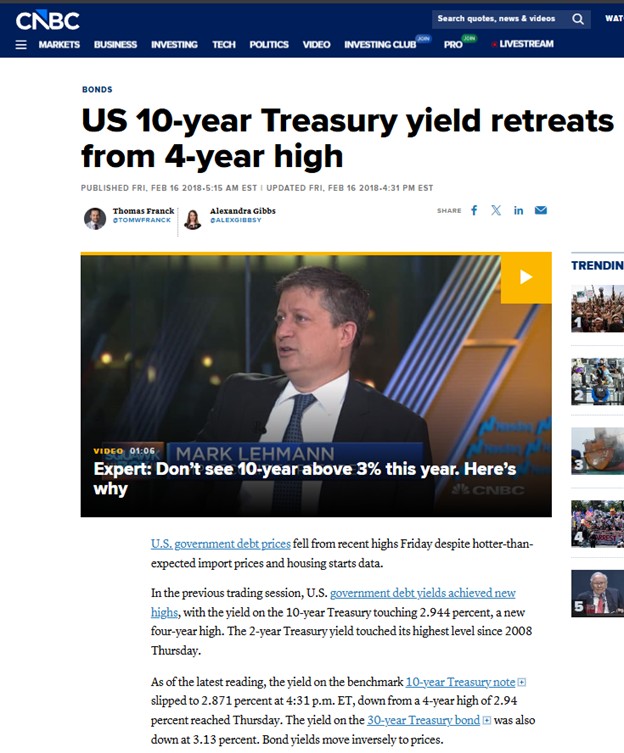
In 2018, the interest rate on 10‑year U.S. Treasury bonds went up a lot because the Federal Reserve was raising rates. When rates go up, the price of older bonds with lower rates goes down. This is because investors want newer bonds that pay more, so older bonds become less valuable.
Example of Foreign Exchange:
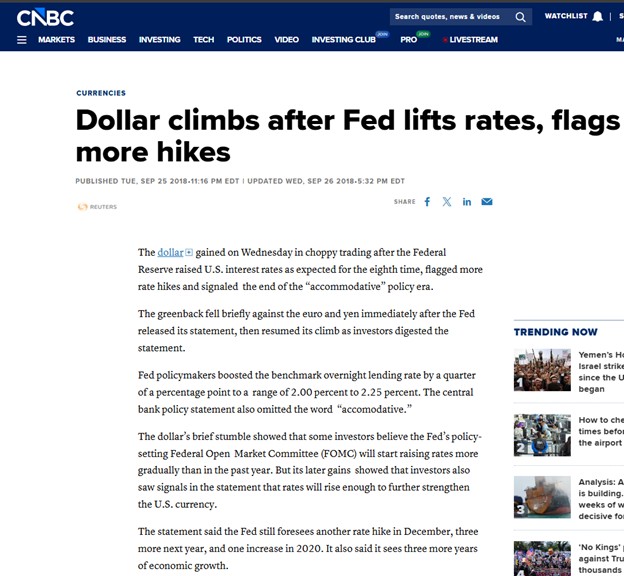
In 2018, the U.S. Federal Reserve raised interest rates several times as the economy strengthened. After one of these rate hikes, the U.S. dollar climbed against other major currencies, including the euro and the Japanese yen, as investors expected more rate increases and sought higher returns from U.S. assets. This created stronger demand for the dollar in the foreign exchange market, causing its value to rise.
Example of Futures:
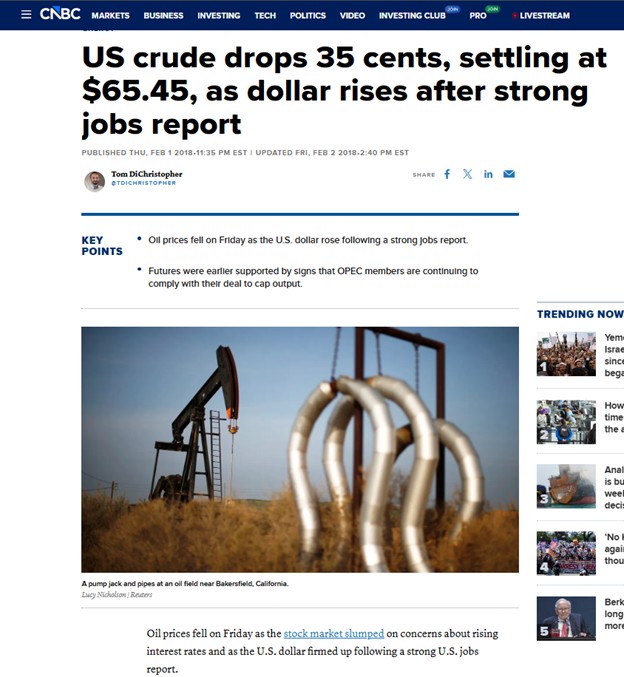
In February 2018, oil futures prices went down because the U.S. dollar got stronger. The dollar got stronger after news showed more jobs and higher interest rates were coming. A stronger dollar makes oil more expensive for people using other currencies, so fewer people bought it. This made oil futures prices fall.
Example of Cryptocurrency:
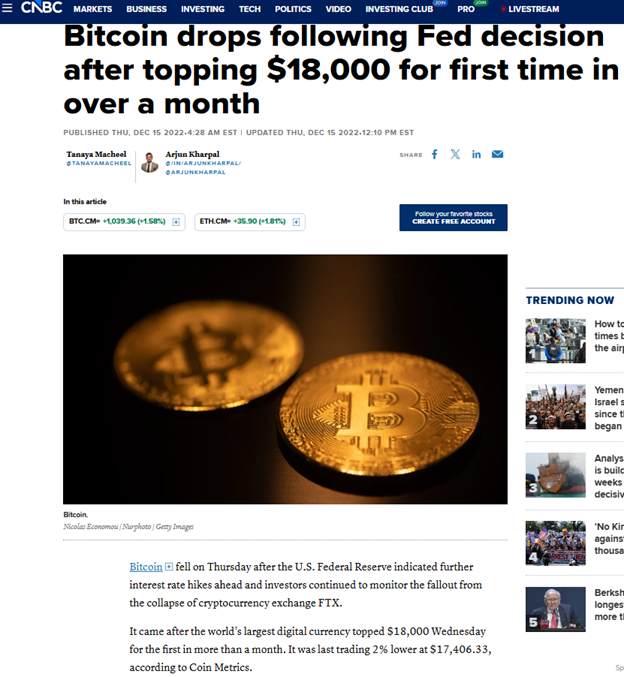
In December 2022, Bitcoin and other cryptocurrencies dropped in price after the U.S. Federal Reserve signaled more interest rate hikes. Investors saw that higher interest rates were coming, and this made them less willing to buy riskier assets like cryptocurrencies. As a result, crypto prices went down.

Conclusion
Interest rates act like a “remote control” for financial markets, affecting stocks, bonds, foreign exchange, futures, and cryptocurrencies. Low rates make borrowing cheaper, helping businesses grow and boosting stock and crypto prices, while older bonds gain value. High rates make borrowing expensive, slow growth, lower profits, and can push down asset prices. Watching interest rates helps investors make smarter decisions and protect their portfolios.
Disclaimer: This content may have been written by a third party. ACY makes no representation or warranty and assumes no liability as to the accuracy or completeness of the information provided, nor any loss arising from any investment based on a recommendation, forecast or other information supplies by any third-party. This content is information only, and does not constitute financial, investment or other advice on which you can rely.
LiquidityFinder
LiquidityFinder was created to take the friction out of the process of sourcing Business to Business (B2B) liquidity; to become the central reference point for liquidity in OTC electronic markets, and the means to access them. Our mission is to provide streamlined modern solutions and share valuable insight and knowledge that benefit our users.
If you would like to contribute to our website or wish to contact us, please click here or you can email us directly at press@liquidityfinder.com.