just now


Liquidity Finder Ltd is incorporated in England and Wales, company number 10610740, registered address 167-169 Great Portland Street, Fifth Floor, London W1W 5PF, United Kingdom.
Published: just now

Most traders don’t fail because MACD is “bad.”
They fail because they never learn what they’re looking at.
They see lines crossing, colors flipping, bars expanding - but they don’t understand what behavior those visuals represent. And when you don’t understand behavior, you react emotionally instead of analytically.
This part of the MACD series is not about signals.
It’s about internal clarity.
Before MACD can become useful, it needs to stop being a mystery and start becoming a language you can read calmly in real time.
If you’re still early in your journey, this lesson fits naturally alongside a minimalist approach to indicators, where every tool has a purpose and nothing is decorative (Minimalist Trading Indicators: The Only Tools Beginners Need).
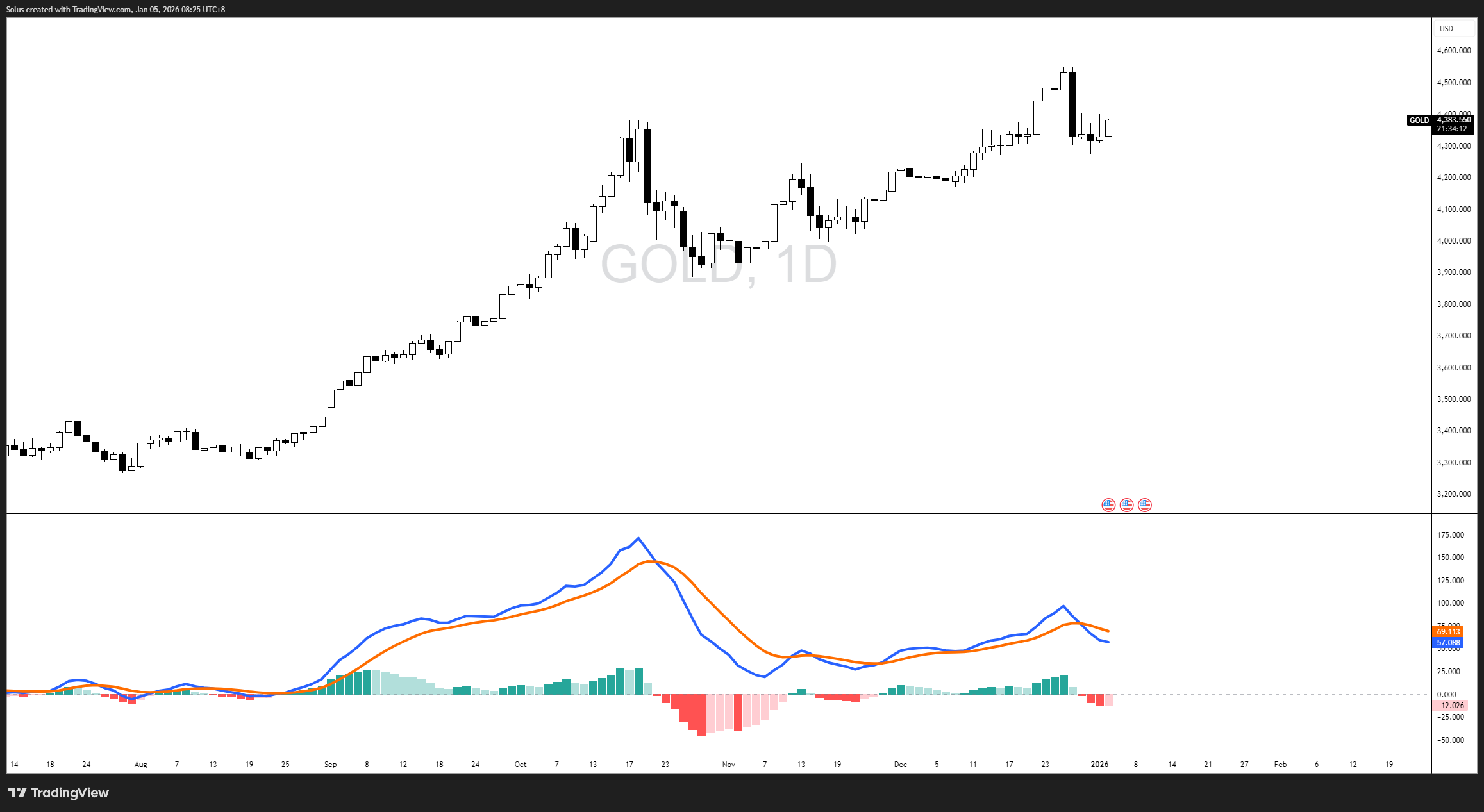
Most beginners treat MACD like a switch:
That mindset is borrowed from rigid systems, not from how markets actually move.
Markets flow. Momentum builds, peaks, fades, pauses, and shifts.
MACD was designed to measure that flow, not to give commands.
When you understand the internal structure of MACD, you stop asking:
“Should I enter here?”
And start asking:
“What is momentum doing right now?”
That single shift changes everything.
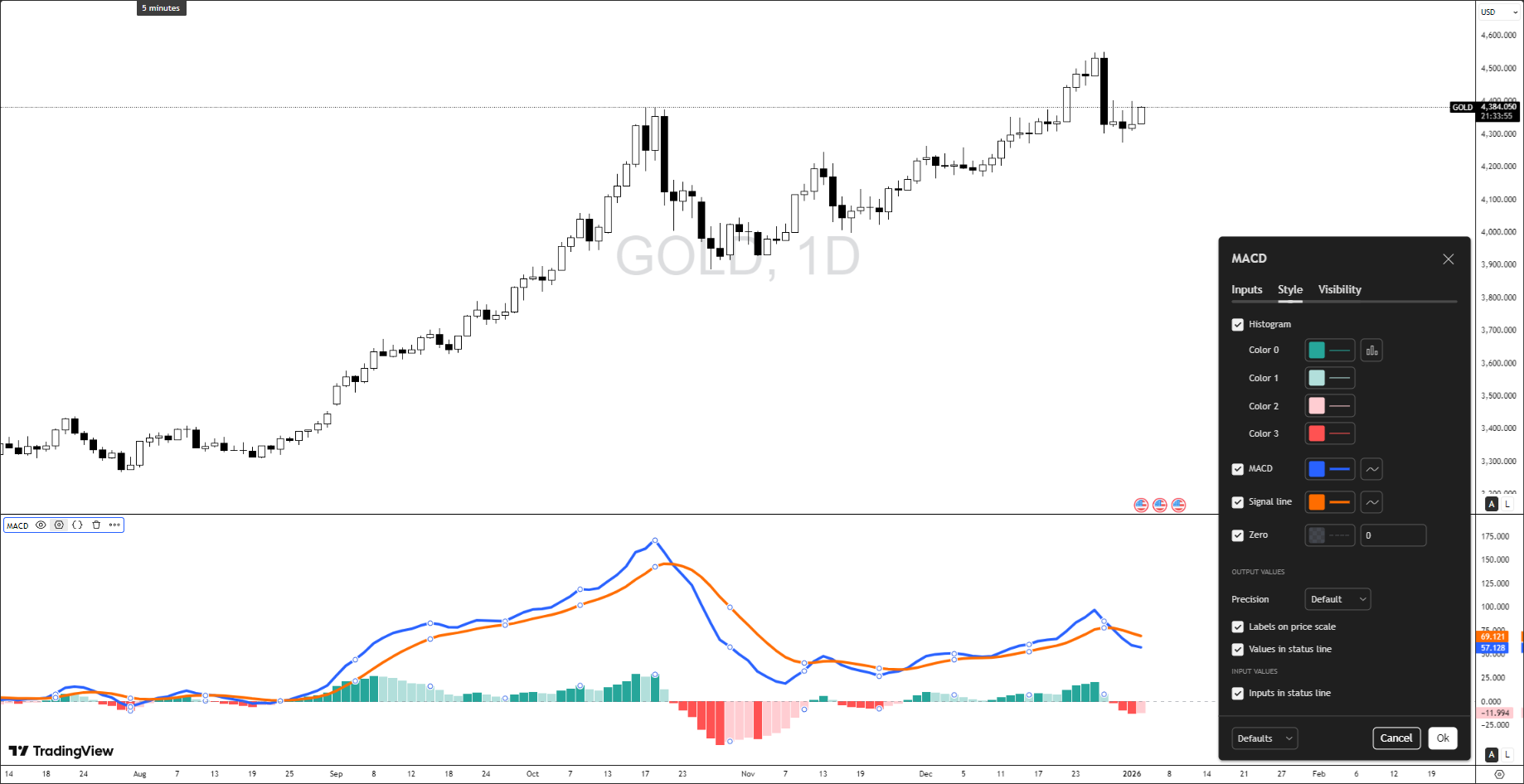
MACD is made of three parts, but they don’t carry equal weight.
The MACD line measures the rate of change between two moving averages.
Not trend. Not prediction. Speed.
Think of price as a car:
A steep MACD line means momentum is strong.
A flattening MACD line means momentum is slowing - even if price is still moving.
This is why MACD often turns before price.
It doesn’t tell you where price will go.
It tells you how aggressively price is currently moving.
That distinction matters more than most traders realize.
The signal line is simply a smoothed average of the MACD line.
That means one thing:
It reacts - it does not lead.
The signal line is useful for:
But it becomes dangerous when traders use it as a decision trigger.
By the time a crossover happens, momentum has already:
This is why crossover-based trading feels late and frustrating.
The histogram measures the distance between the MACD line and the signal line.
That distance is pressure.
This is why the histogram is the heartbeat of MACD.
Just like a heart monitor, it doesn’t shout instructions.
It shows vital signs.
Experienced traders focus on:
Not color changes.
Not zero-line obsession.
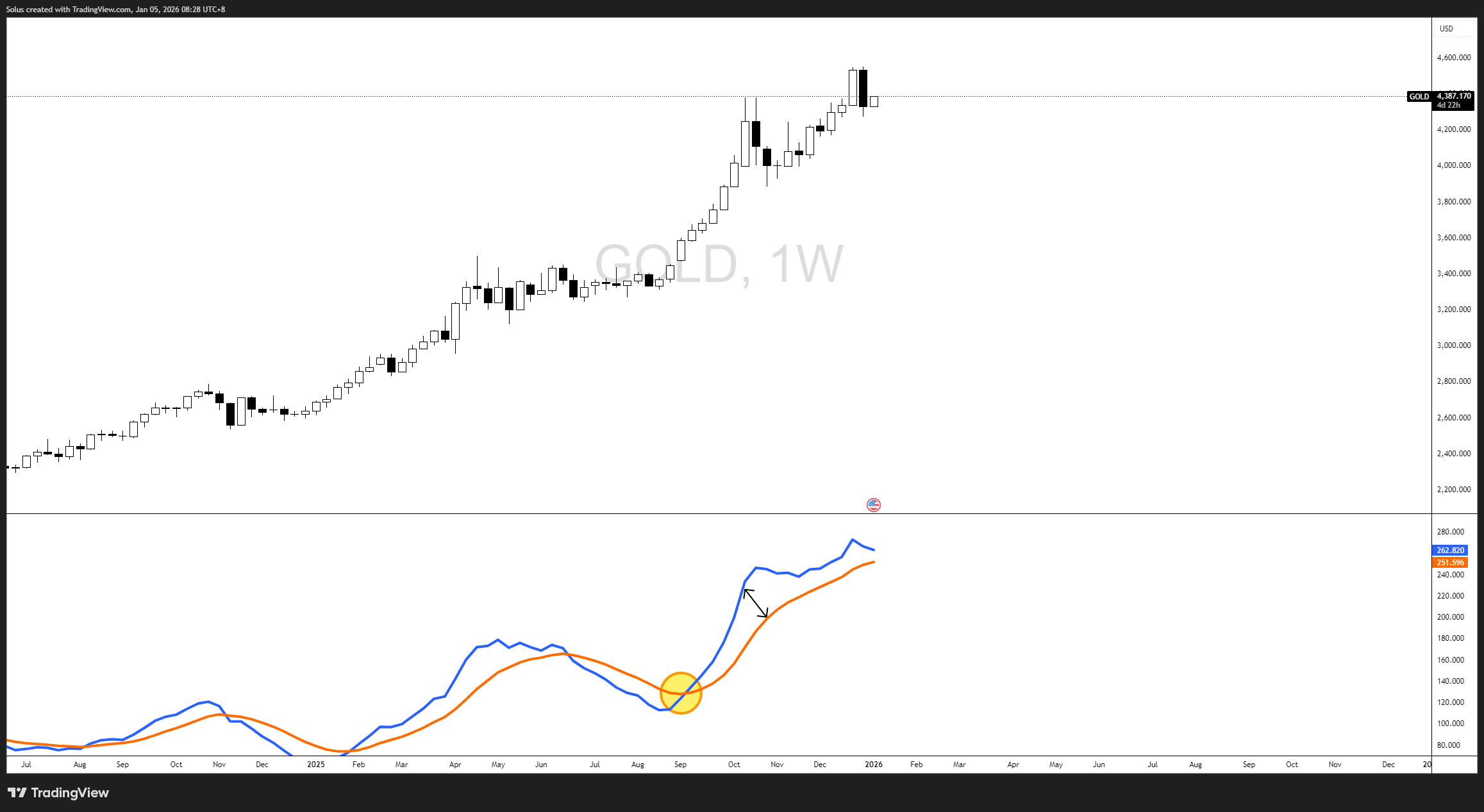
When the MACD line separates from the signal line, it reflects imbalance.
Imbalance between:
Small separation means both sides are still engaged.
Wide separation means one side is dominating.
But here’s a critical insight:
Strong separation often happens mid-move, not at the beginning.
This is why chasing MACD crossovers leads to:
MACD doesn’t tell you where to enter.
It tells you whether the move still has fuel.
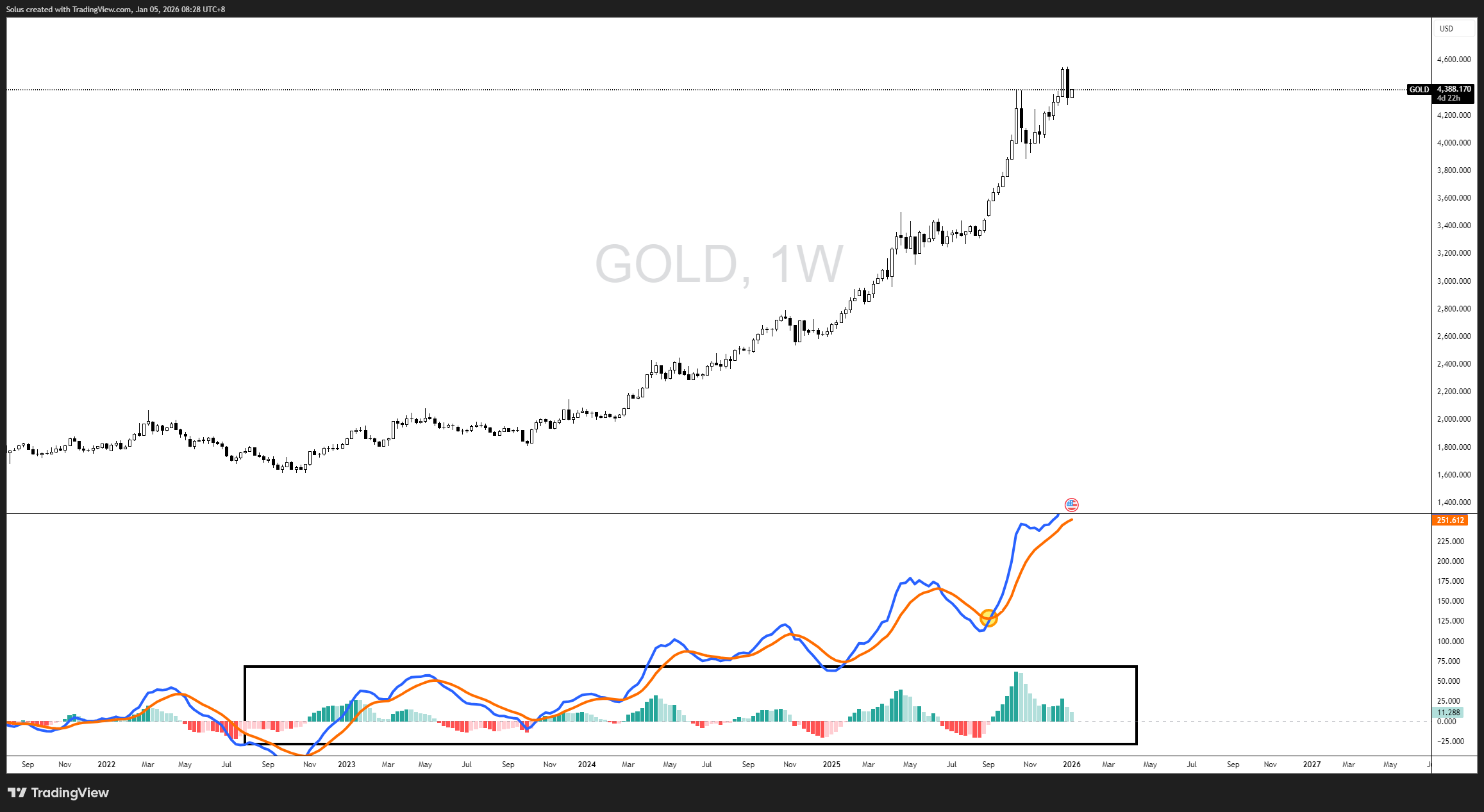
Crossovers are binary.
Markets are gradual.
The histogram expands before crossovers.
It contracts before reversals.
When you watch histogram behavior, you start noticing:
This pairs naturally with price action awareness, especially at key levels (Mastering Price Action at Key Levels).
MACD becomes confirmation, not the driver.
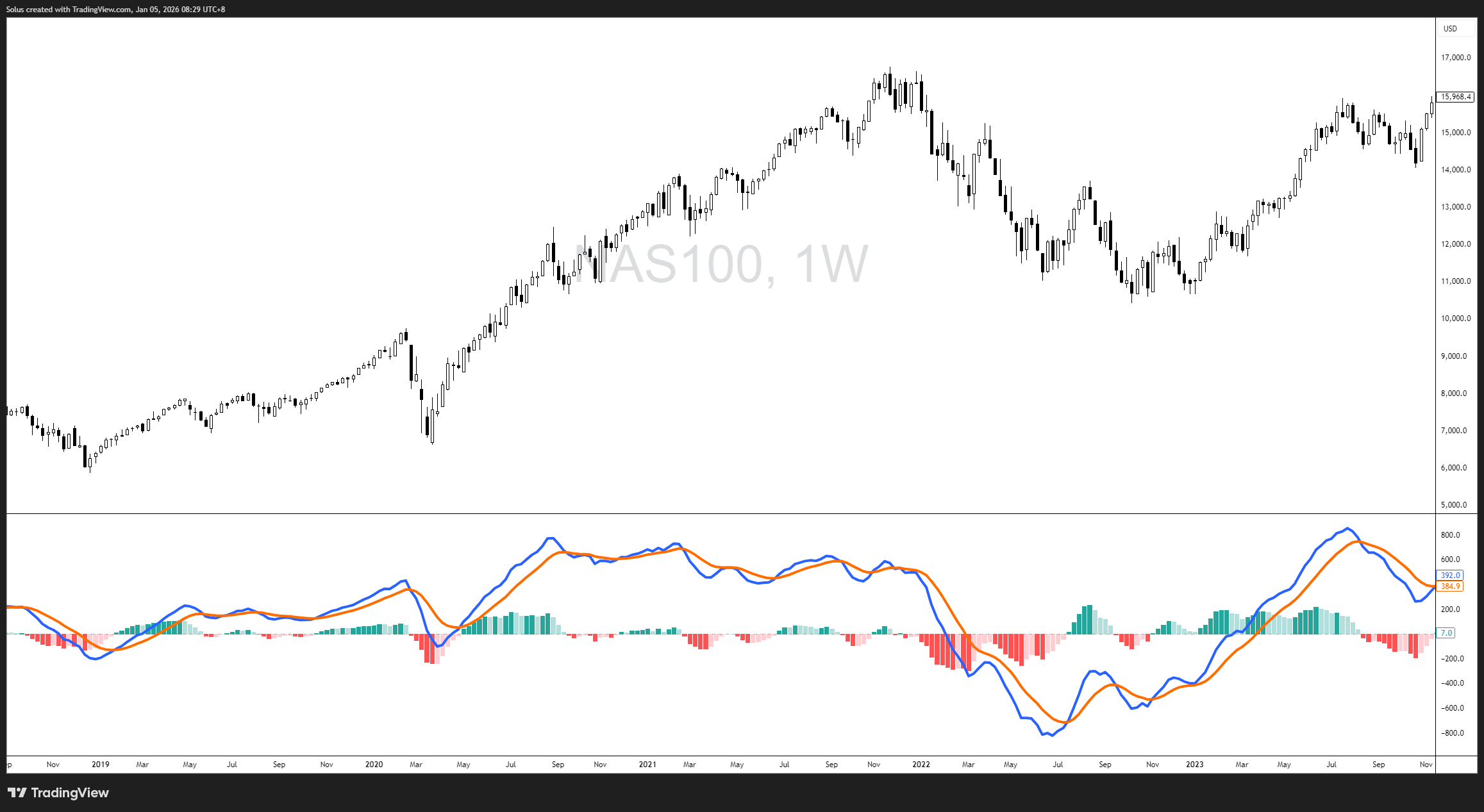
There are phases where the signal line adds no value:
In these moments:
This is why MACD works best when combined with structure, not isolated signals - especially when traders already understand momentum behavior across sessions (Trading with Momentum: The Best Trading Session to Trade Forex, Gold and Indices).
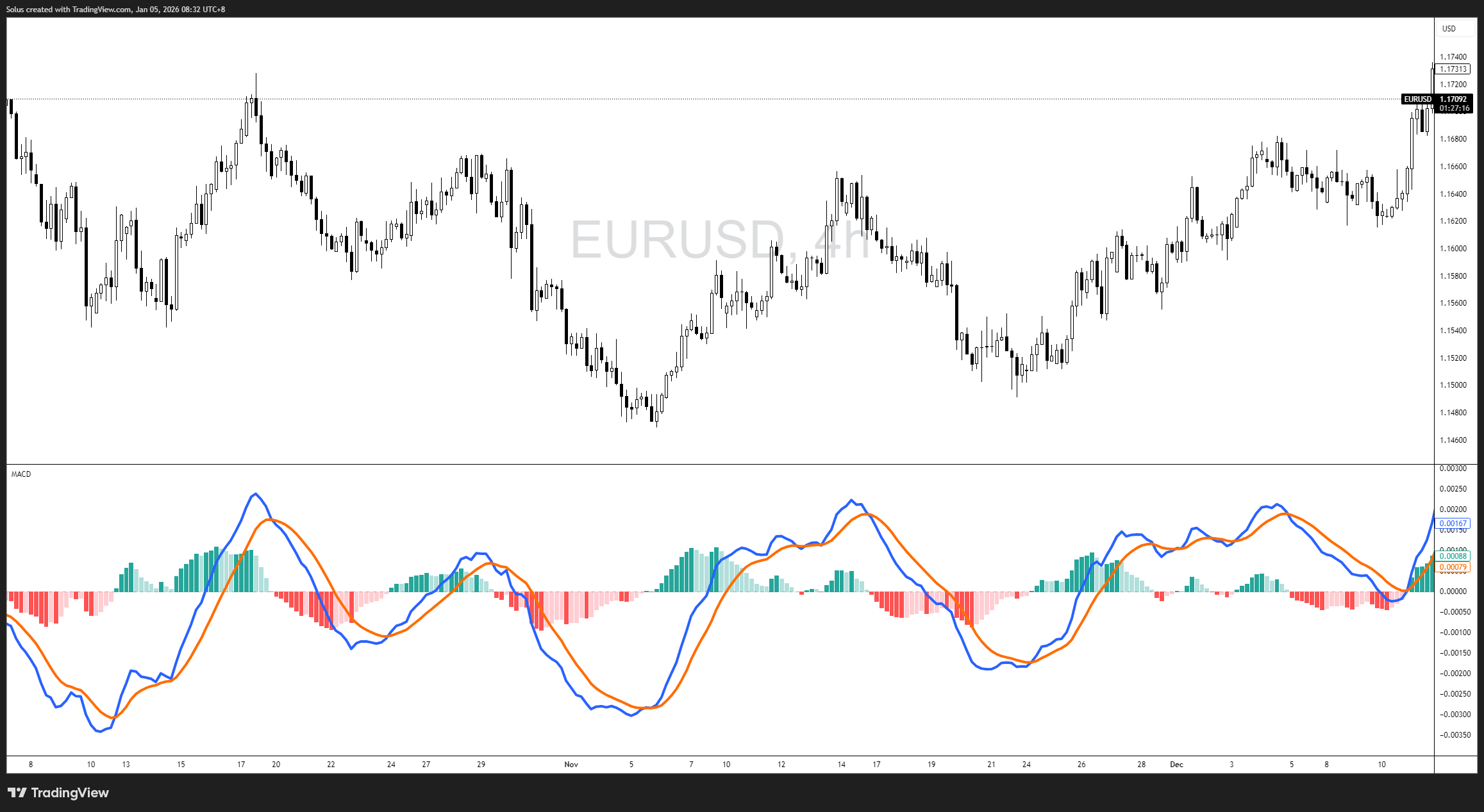
Instead of asking:
Start focusing on:
MACD is not a trigger tool.
It’s a context tool.
Used correctly, it helps you:
This is the same mindset shift traders experience when they stop overloading indicators and start thinking like price (How to Think Like a Price Action Trader).
Imagine pushing a shopping cart.
The histogram measures strain.
The MACD line measures push speed.
The signal line smooths the movement.
If strain is increasing, the cart keeps accelerating.
If strain fades, the cart slows - even if it’s still moving.
MACD doesn’t tell you where the aisle ends.
It tells you how much effort is left.
MACD was never meant to be a magic button.
It’s a diagnostic tool.
When you understand its components, MACD stops being confusing and starts becoming calm. It doesn’t excite you. It informs you.
And that’s exactly what a trader needs.
If there’s one thing to take away from this part, it’s this:
The histogram is the heartbeat; the lines are context.
It’s time to go from theory to execution!
Create an Account. Start Your Live Trading Now!
Looking for step-by-step approaches you can plug straight into the charts? Start here:
Sharpen your edge with proven tools and frameworks:
News moves markets fast. Learn how to keep pace with SMC-based playbooks:
From NASDAQ opens to DAX trends, here’s how to approach indices like a pro:
Gold remains one of the most traded assets - here’s how to approach it with confidence:
Candlesticks are the building blocks of price action. Master the most powerful ones:
Ready to go intraday? Here’s how to build consistency step by step:
Markets swing between calm and chaos. Learn to read risk-on vs risk-off like a pro:
Step inside the playbook of institutional traders with SMC concepts explained:
Forex pairs aren’t created equal - some are stable, some are volatile, others tied to commodities or sessions.
If you’ve ever been stopped out right before the market reverses - this is why:
Mindset is the deciding factor between growth and blowups. Explore these essentials:
The real edge in trading isn’t strategy - it’s how you protect your capital:
If you’re not sure where to start, follow this roadmap:
This way, you’ll grow from foundation → application → mastery, instead of jumping around randomly.
Follow me for more daily market insights!
Jasper Osita - LinkedIn - FXStreet - YouTube
This content may have been written by a third party. ACY makes no representation or warranty and assumes no liability as to the accuracy or completeness of the information provided, nor any loss arising from any investment based on a recommendation, forecast or other information supplies by any third-party. This content is information only, and does not constitute financial, investment or other advice on which you can rely.
ACY Securities is one of Australia's fastest growing multi-asset online trading providers, offering ultra-low-cost trading, rock-solid execution, technologically superior account management and premium market analysis.

Select the categories and companies you wish to follow directly to your person rss feed.
Create Custom RSS FeedSign up and join over 5,000 professional members who receive personalized news alerts, curated professional connections, and more for free!
Multi-asset trading broker AvaTrade has agreed to acquire the majority of FXCM Group’s business and brand, in a transaction that would bring a longstanding retail FX franchise into the AvaTrade Group.
LSEG and CMC Markets have signed a multi-year strategic data agreement expanding CMC's access to LSEG's real-time and delayed pricing, reference and corporate actions data, news and analytics, plus AI-ready content, to support new products, entry into new markets and the growth of CMC's institutional and B2B partnerships.
The Tel Aviv Stock Exchange is considering a bid for the Cyprus Stock Exchange, with Israeli media citing its EU licence, trading platform and clearing house. Euronext’s Athens exchange and India’s National Stock Exchange are also seen as contenders, and Cyprus aims to sign a sale agreement by the end of this year.
CME Group will launch baseball futures on 12 October, pending regulatory review, tracking CME FutureSports Performance Indexes built on Official League Data. Standard and micro contracts will start with the 2026 Postseason and the four clubs in the League Championship Series, trading around the clock.
ESMA has published an opinion stating that MiCA-authorised crypto-asset service providers should cease services tied to non-MiCA-compliant stablecoins for EU clients across MiCA crypto-asset services. National authorities should require remediation of existing exposures within three months, by early January 2027.
Nasdaq Ventures has made a strategic investment in Amsterdam-based derivatives and crypto exchange One Trading, with both firms to explore 24/7 trading of equity futures. The undisclosed investment follows Nasdaq's US$100 million investment in Payward, the parent of Kraken, and CME Group's move to 24/7 trading.
cTrader has opened multi-platform plugins to brokers and prop firms, which can pre-install their own tools for clients or list them in cTrader Store. The plugins run across Mobile, Web, Windows and Mac, and can be built and launched independently of core-platform releases, including trading journals and calculators.
Institutional brokerage and financial infrastructure provider Clear Street has joined TradingView’s broker network, allowing its clients to trade US stocks, exchange-traded funds and options directly through the charting and analysis platform.
Learn how to improve trading psychology, manage fear and greed, avoid revenge trading, and follow your trading strategy with discipline and a trading journal.
GTC Prime has announced a strategic partnership with Centroid Solutions to manage and distribute its liquidity through CS 360 Bridge, Centroid's multi-asset connectivity and execution engine, giving brokers and institutional clients access to tailor-made pricing, low-latency execution and real-time risk management.