
.jpg&w=3840&q=75 "Yen Weakness and Euro Resilience Amid Political Noise")
Yen Weakness and Euro Resilience Amid Political Noise
 ACY Securities - Luca Santos
Over the past 24 hours, one of the most notable market developments has been the renewed weakness of the Japanese yen. After closely following the speech of BoJ Deputy Governor Ryozo Himino, many market participants were expecting some signal that a rate hike could be imminent.
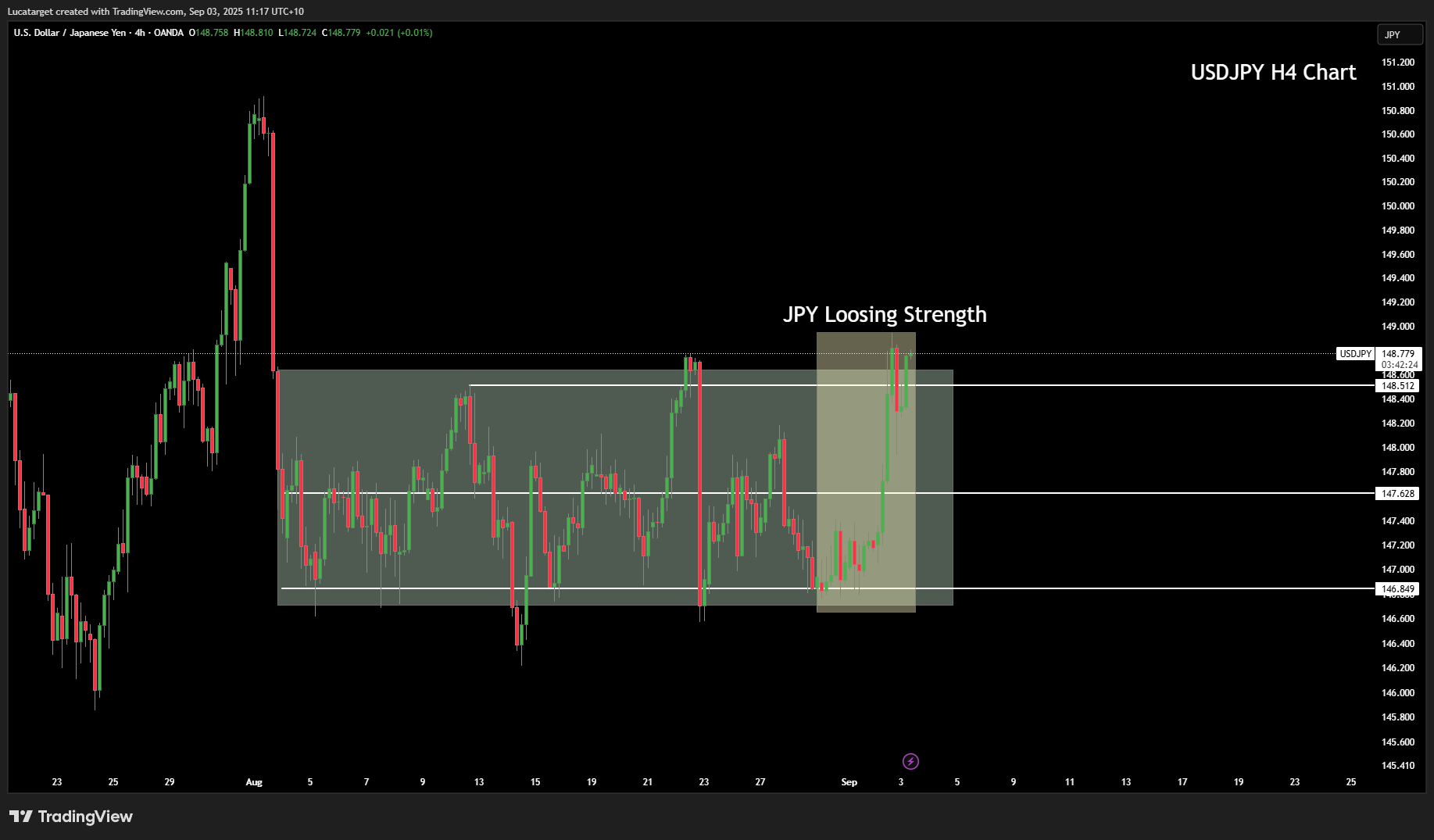
Instead, his tone was cautious, and he reiterated that monetary tightening must not be too early or too slow. This careful approach pushed USD/JPY back closer to the 148.00 level, as the market adjusted its expectations for the timing of future hikes.
In my view, this illustrates the difficulty the Bank of Japan faces: inflation is gradually edging higher but remains fragile, with underlying pressures still below the 2% target. The lack of urgency in Himino’s message has given speculators room to rebuild short positions on the yen.
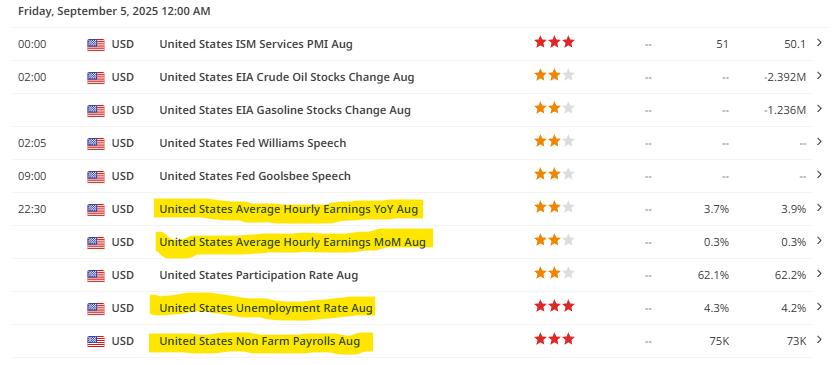
Yet I remain cautious, with U.S. nonfarm payrolls due this Friday, any softer-than-expected data could quickly cap the upside in USD/JPY and trigger position reversals.
At the same time, Japan’s domestic politics add another layer of uncertainty. Prime Minister Ishiba’s leadership is under renewed pressure as lawmakers debate the possibility of an early election. While polls suggest rising public support for his continuation, the lack of unity within the ruling LDP risks keeping the yen on the defensive in the short term.
On the European front, the single currency has been under pressure. While inflation in the eurozone has come in higher than expected, a scenario that under normal conditions might have supported the euro, the opposite has occurred. The ECB had been signaling patience, expecting inflation to trend lower, and the market has interpreted this mismatch as a credibility gap.
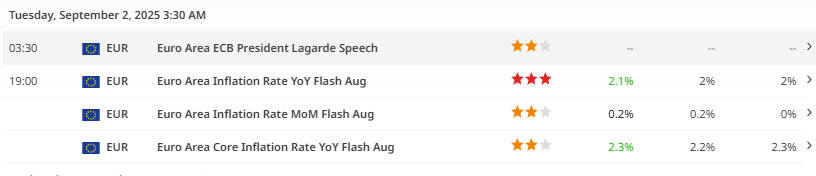
Instead of rewarding the euro, traders are now punishing it. EUR/USD has slipped as investors conclude that the ECB is unlikely to react quickly with a more hawkish stance. This dynamic highlights a subtle but powerful driver: markets trade not only on the data itself, but on the central bank’s perceived willingness to respond.
For now, the higher inflation reading is being framed as a liability for the euro, rather than a catalyst for strength, leaving the currency vulnerable in the short term.
Q: Why did the yen weaken after the BoJ speech?
A: Markets were expecting a stronger hint that the Bank of Japan would raise rates soon. Instead, Deputy Governor Himino was cautious, stressing that tightening must not come too early or too late. That disappointed investors and encouraged a rebuild of short positions on the yen.
Q: Isn’t higher inflation in the eurozone normally good for the euro?
A: Typically yes, higher inflation suggests the need for tighter policy, which can strengthen a currency. But in this case, the ECB had been waiting for inflation to move lower before shifting policy. The higher reading clashes with their expectations, and the market sees the ECB as being slow to adjust. As a result, the euro has weakened instead of strengthening.
Q: What levels should traders watch for USD/JPY?
A: The pair has moved back toward 148.00. Momentum may continue if U.S. data, particularly Friday’s nonfarm payrolls, surprises on the upside. However, softer U.S. data could quickly cap gains and trigger a reversal.
Q: How much weight should be given to French political risks?
A: Political uncertainty in France has triggered some volatility, especially around the September 8 confidence vote. But so far, markets don’t view it as a decisive factor for EUR/USD. The euro’s moves are being driven more by inflation dynamics and ECB policy expectations.
Q: What’s the broader outlook for the euro?
A: Near term, the euro may stay vulnerable as long as investors doubt the ECB’s readiness to respond to inflation surprises. However, medium term, if U.S. rate cuts materialize and European inflation stabilizes, EUR/USD could regain support.
This content may have been written by a third party. ACY makes no representation or warranty and assumes no liability as to the accuracy or completeness of the information provided, nor any loss arising from any investment based on a recommendation, forecast or other information supplies by any third-party. This content is information only, and does not constitute financial, investment or other advice on which you can rely.
LiquidityFinder
LiquidityFinder was created to take the friction out of the process of sourcing Business to Business (B2B) liquidity; to become the central reference point for liquidity in OTC electronic markets, and the means to access them. Our mission is to provide streamlined modern solutions and share valuable insight and knowledge that benefit our users.
If you would like to contribute to our website or wish to contact us, please click here or you can email us directly at press@liquidityfinder.com.