
Search Companies, News, Members & more
Terms of ServicePrivacy PolicySecurity PolicyLegal InformationCommunity GuidelinesSitemapsCookie Settings
2026 Copyright © Liquidity Finder Ltd. All rights reserved.
Liquidity Finder Ltd is incorporated in England and Wales, company number 10610740, registered address 167-169 Great Portland Street, Fifth Floor, London W1W 5PF, United Kingdom.
The 30 Best & Genuine Funded Trader Accounts

Published on Nov 8, 2025
Updated on Aug 14, 2026
Best Funded Trader Accounts (Futures, Forex/CFD, Crypto) — Rules, Drawdowns & Payouts Explained
If you’ve heard the term “prop firm,” it refers to a company that funds traders based on performance. They offer you a large sum of simulated capital (usually in a test account) after you pass an evaluation. Once you’re funded, you trade their real or simulated capital, and you keep the majority of the profits.
This is a skill test, not a funding giveaway. You pay a fee to take the test, and if you succeed, that fee is often refunded. If you break the rules, you lose the account, and the firm covers the loss — you don't owe them money. This is the core benefit: you trade without personal financial liability.
We are dividing these accounts into three market groups, as the rules and platforms differ heavily for each:
1) Legacy Exchanges (Futures): Focuses on instruments like S&P 500 E-minis (ES) traded on the CME. These firms often work with platform fees and fixed monthly costs.
2) Forex/CFDs: Focuses on currency pairs, indices, and commodities via MetaTrader (MT4/MT5) or similar platforms. These are the most common type of prop firm.
3) Cryptocurrency: Firms that specifically allow or specialize in trading volatile digital assets like BTC and ETH.
Part 1: Futures Trading Accounts (Legacy Exchanges)
Futures trading involves contracts to buy or sell an asset at a predetermined price in the future. These are typically traded on major legacy exchanges like the Chicago Mercantile Exchange (CME). Firms in this category often use platforms like NinjaTrader, Rithmic, or Tradovate.
The main difference here is the focus on trailing drawdown based on realized and unrealized profits, and a maximum number of contracts allowed for each account size.
This diagram shows how a trader progresses from a challenge account to a funded account:
Image: How Proprietary Trading Firms Work, Source: LiquidityFinder.com

| Top Futures Prop Trading Firms Firm Description & Focus Key Feature Official URL | |||
| 1. BluSky. See BluSky's profile on LiquidityFinder here. | A futures-only prop firm offering instant funding alongside self-paced evaluations with no activation fees. Known for daily payouts Monday to Friday and a deliberately simple rule set that keeps traders focused on performance rather than restrictions. | Instant Funding & Daily Payouts. 90% profit split with platform support across Tradovate, Rithmic, NinjaTrader, Volumetrica and Tickblaze. | https://blusky.pro/ |
| 2. Topstep | The oldest futures prop firm. Known for its clear scaling plan, "Trading Combine", and strong educational resources. | Trader Coaching & Education. Highly structured, strict rules focus on consistency. | https://www.topstep.com |
| 3. Earn2Trade | Offers multiple funding paths, including the Gauntlet and Gauntlet Mini. They focus heavily on trader education through their Journalytix platform. | Journaling Tools. Strong focus on developing professional habits. | https://www.earn2trade.com |
| 4. Leeloo Trading | Offers straightforward evaluation models with high profit splits up to 90%. They are known for their flexible rules regarding news trading and holding trades overnight. | Flexible Rules. Good for swing and position traders in the futures market. | https://www.leelootrading.com |
| 5. Bulenox | Offers various account sizes and evaluation models, including 1-step and 2-step options. They are popular for their competitive pricing and quick funding process. | Competitive Pricing. Good balance of cost and account size options. | https://www.bulenox.com |
| 6. OneUp Trader | A platform connecting traders to multiple funding partners. They offer a simple, 1-step evaluation process known for its transparency. | Partner Network. Works as an intermediary, offering diverse brokerage options. | https://www.oneuptrader.com |
| 7. Apex Trader Funding | Extremely popular firm that offers one of the simplest and most generous scaling plans. Known for high leverage and frequent promotions. | Fastest payouts. Simple 1-step evaluation model and high profit split. | https://www.apextraderfunding.com |
| 8. Elite Trader Funding (ETF) | Offers various evaluation models including EOD (End of Day) drawdown accounts which are generally easier for beginners than traditional trailing drawdowns. | EOD Drawdown Option. Easier risk management for new futures traders. | https://elitetraderfunding.com |
Table: Best Funded Futures Trading Accounts in 2025, Source: www.liquidityfinder.com
| Key Metrics for Futures Firms (Example $50k Account) Firm Evaluation Fee (Monthly/One-time) Profit Target Max Trailing Drawdown Profit Split (Funded) Max Contracts (ES) | |||||
| Topstep | $165/Month | $3,000 (6%) | $2,000 (4%) | 90% | 5 |
| Apex Trader Funding | $147/Month | $3,000 (6%) | $2,500 (5%) | 90-100% | 6 |
| Earn2Trade (Gauntlet Mini) | $170/Month | $3,000 (6%) | $2,000 (4%) | 80% | 5 |
| Bulenox | Varies by plan | $3,000 (6%) | $2,000 (4%) | Up to 90% | 5 |
Understanding Futures Drawdown
The most difficult rule in futures prop trading is the trailing drawdown. This is the highest balance your account has reached minus the maximum loss limit. As you profit, the drawdown follows you up until it reaches your starting balance, or a predetermined fixed point.
The Two Drawdown Types Explained
| Drawdown Type What It Is Risk Management Impact Common In | |||
| Static Drawdown | The maximum loss is calculated only from the initial account balance. It never moves up, regardless of how much profit you make. | Easier to manage. If you make profit, your safe buffer zone increases relative to your current balance. | Many Forex/CFD firms (often after Phase 1). |
| Trailing Drawdown | The maximum loss limit follows your highest realized or unrealized equity value. If you reach $105,000 on a $100,000 account, the maximum loss limit moves up with you. | Much harder to manage. Forces traders to take profits quickly and prevents large, fluctuating swings. | Almost all Futures prop firms. |
Maximum Loss Limit = Highest Equity Balance − Max Drawdown Amount
Part 2: Forex and CFD Trading Accounts
This category is the most saturated, featuring firms that fund traders on the spot currency market (Forex), stock indices, and commodities through Contracts for Difference (CFDs). These accounts are typically offered on the widely used MetaTrader 4 (MT4), MetaTrader 5 (MT5), or cTrader platforms.
The main difference from futures is that Forex firms often rely on fixed or static drawdowns (especially after the evaluation phase), and their evaluation fees are usually one-time, refundable payments.

| Top Forex & CFD Prop Trading Firms Firm Description & Focus Key Feature Official URL | |||
| 9. FTMO | The original and most recognized name in Forex prop trading. Known for its extremely strict but transparent 2-step evaluation process ("FTMO Challenge"). | Gold Standard Reputation. Offers coaching and detailed trading analysis tools. | https://ftmo.com |
| 10. FundedNext | Offers high profit splits (up to 95%) and unique funding models, including one that allows traders to get 15% of profits during the challenge phase. | High Payout Percentage. Focuses on maximizing trader reward potential quickly. | https://fundednext.com |
| 11. The 5%ers | Offers a genuine growth model, where funded accounts are automatically scaled up very quickly upon hitting simple profit targets. Known for their "Hyper Growth" program. | Growth-Focused Scaling. Real accounts from the start for some programs. | https://the5ers.com |
| 12. MyFundedFX | Popular for offering both 1-phase and 2-phase evaluation options and allowing news trading and weekend holding in many of their programs. | Flexible Trading Styles. Good for strategy variety (EAs, News Trading). | https://myfundedfx.com |
| 13. E8 Funding | Features modern interfaces and focuses on simplicity. They offer 2-step evaluations with competitive profit splits and are generally transparent about their rules. | Sleek Platform/UX. Strong focus on a modern trader experience. | https://e8funding.com |
| 14. Funded Trading Plus (FTP) | Offers a range of accounts, including a unique "Advanced Trader" program that has very few restrictions, allowing for greater freedom. | Minimal Restrictions. The Advanced Trader account is highly flexible. | https://fundedtradingplus.com |
| 15. FXIFY | Offers various challenge types, including instant funding options. Known for fast payouts and backed by a specific broker (Alchemy Markets). | Broker Backing & Speed. Focus on fast funding and withdrawals. | https://fxify.com |
| 16. OANDA Prop Trader | Backed by the established global broker OANDA. Offers a multi-step evaluation path to a funded account with static drawdown rules. | Broker Reliability. The credibility of a major, regulated broker is a huge pro. | https://proptrader.oanda.com |
| 17. The Funded Trader (TFT) | Uses a unique gamified system (like "Knights" and "Dragons" accounts). Appealing to a younger demographic with weekly payouts and community focus. | Community & Gamification. Multiple challenge types to suit different risk appetites. | https://thefundedtraderprogram.com |
| 18. Fidelcrest | Provides some of the highest potential funding limits ($2 million). Offers Micro and Pro accounts, requiring significant capital and professional consistency. | High-Capital Potential. Targets highly experienced professional traders. | https://fidelcrest.com |
| 19. MVFunded | A broker-backed Forex/CFD prop firm powered by retail broker MarketsVox, offering MT5-based challenges on FX, indices and commodities with funding up to $200k. | Broker-Backed MT5 Funding. Up to 90% profit share with funded accounts connected to MarketsVox’s live trading infrastructure. | https://mvfunded.marketsvox.com |
| 20. Alpha Capital Group | Known for their in-house platform, ACG Markets, and providing educational resources through their ACG Academy. Offers a standard 2-step evaluation. | Integrated Education. Strong emphasis on learning and structured growth. | https://alphacapitalgroup.uk |
Table: Best Forex & CFD Funded Trader Accounts in 2025, Source: www.liquidityfinder.com
| Key Metrics for Forex/CFD Firms (Example $100k Account) Firm Evaluation Fee (Refundable) Phase 1 Target Max Drawdown Daily Loss Limit Profit Split (Funded) | |||||
| FTMO | ≈ €540 | 10% | 10% | 5% | 80–90% |
| FundedNext (Stellar) | ≈ $499 | 8% | 10% | 5% | Up to 95% |
| The 5%ers | ≈ $445 (Growth) | 6% | 5% | 3% | 80–100% |
| MyFundedFX (2-Phase) | ≈ $488 | 8% | 8% | 5% | 80–90% |
| E8 Funding | ≈ $688 | 8% | 8% | 5% | 80% |
Part 3: Cryptocurrency and Multi-Asset Funder Accounts
Trading volatility with funded crypto accounts is relatively new and often riskier for the prop firm. Therefore, the available leverage is usually much lower (often 1:2 to 1:5), and the rules on daily and maximum loss tend to be tighter than in Forex or Futures.
These firms usually offer crypto CFDs or spot crypto access alongside traditional assets.
| Top Crypto-Friendly & Multi-Asset Prop Firms Firm Description & Focus Key Feature Official URL | |||
| 21. FunderPro | Specifically advertises daily rewards and flexible holding, allowing crypto trading. Known for transparency and a focus on daily profit opportunities. | Crypto Trading Access. Allows low-leverage crypto CFDs (e.g., BTC, ETH). | https://funderpro.com |
| 22. BrightFunded | A multi-asset firm providing access to digital assets, indices, and forex. Known for fast payout processing times and high leverage on non-crypto assets. | Fast Digital Payouts (USDC). Supports multiple trading platforms (MT5, cTrader, DXtrade). | https://brightfunded.com |
| 23. Trade the Pool | Although primarily focused on stock trading/CFDs, it offers a "One-Step" evaluation. This firm is perfect for traders moving beyond just FX and into equities/crypto-proxies. | Equity/Stock Focus. Excellent for non-FX traders seeking prop capital. | https://tradethepool.com |
| 24. Lux Trading Firm | Focuses on high-level, serious funding with a minimum six-figure starting account. Their focus is on long-term capital growth and risk management. | Serious High-Cap Funding. Better suited for experienced institutional-style traders. | https://luxtradingfirm.com |
| 25. Blue Guardian | A highly-rated prop firm known for its "Guardian Angel" service, which offers strong support and analysis. They provide multi-asset trading including crypto CFDs. | Trader Support. Offers comprehensive analysis and low slippage execution. | https://blueguardian.com |
| 26. The Trading Pit | Unique in that it offers funding programs for Futures, Forex, Stocks, and Crypto. They are known for transparency and clear funding stages across all asset classes. | Unified Multi-Asset Platform. One provider for all market types. | https://thetradingpit.com |
| 27. City Traders Imperium (CTI) | Offers instant funding and scaling up to $4 million. Their model focuses on position trading, allowing swing and overnight trades, which is essential for slower crypto moves. | Long-Term Scaling. Great for position and swing traders. | https://citytradersimperium.com |
| 28. Goat Funded Trader | Promotes flexible trading with no minimum profit targets and offers different plans, some allowing for crypto trading flexibility. | Flexibility & Payouts. Known for less rigid rules compared to FTMO-like models. | https://goatfundedtrader.com |
| 29. Axi Select | Backed by the regulated broker Axi. This is an investment program, not a challenge. You trade your own small capital, and if you succeed, Axi invests alongside you. | Broker-Backed Investment. A true institutional path for high-performing traders. | https://www.axi.com/select |
| 30. Instant Funding | Focuses solely on providing capital with no time limits and a focus on getting traders funded immediately (though usually a very small initial amount). | Instant Access. Suitable for very disciplined traders who want to skip the evaluation phase immediately. | https://instantfunding.io |
Table: Best cryptocurrency and multi-asset funded trading accounts in 2025, Source: www.liquidityfinder.com
| Key Metrics for Crypto-Friendly Funded Accounts Firm Crypto Leverage (Approx.) Max Drawdown Daily Loss Limit Payout Frequency Refundable Fee (Approx.) | |||||
| FunderPro | 1:2 to 1:5 | 10% | 5% | Daily/Bi-Weekly | ≈ $575 |
| BrightFunded | 1:2 to 1:5 | 10% | 5% | 7 Days | ≈ $550 |
| Blue Guardian | 1:2 to 1:10 | 10% | 4% | 14 Days | ≈ $497 |
| The Trading Pit | Up to 1:5 | Varies by asset | Varies by asset | Monthly/Bi-Weekly | Varies by challenge |
Part 4: Critical Rules and Data Metrics for Success
The difference between a genuine prop firm and a scam often lies in the clarity and fairness of its rules. You must understand the four key metrics of any challenge.
1. The Drawdown Limit
The drawdown is the single biggest reason why traders fail. It’s a mechanism to ensure you manage risk tightly.
🔹 Maximum Loss (Max Drawdown): This is the total amount you are allowed to lose before the account is breached. It is usually 8% to 10% of the starting balance.
🔹 Daily Loss Limit: This is the absolute maximum loss you can take in a single trading day, regardless of your overall profit or loss. It is typically 4% to 5%. This rule prevents massive, emotional losses.
2. Profit Split and Scaling
A genuine firm’s payout structure encourages consistency.
| Profit Split & Scaling Metric Range Description | ||
| Initial Profit Split | 50% - 90% | What you keep from your profits immediately after funding. Most reputable firms start at 80%. |
| Scaling Split Potential | Up to 100% | Some firms (like The 5%ers) let you keep 100% once you hit very high-tier growth targets. |
| Scaling Plan | Varies | The system where the firm increases your capital (e.g., from $100k to $200k) after you hit a predefined profit target and minimum number of profitable months. |
| Payout Frequency | Weekly to Monthly | How often you can request a withdrawal. Faster payouts (weekly/bi-weekly) are usually a sign of a healthier firm. |
Table: Profit Split and Scaling of Funded Trader Accounts, Source: www.liquidityfinder.com
A well-defined scaling plan shows that the firm is interested in long-term relationships with profitable traders, not just collecting evaluation fees.
3. Evaluation Fees and Costs
The evaluation fee is your ticket to the test. These fees are generally non-refundable if you fail, but usually refunded with your first profit withdrawal if you pass.
🔹 Futures Fees: Often monthly subscriptions (e.g., Topstep, Apex). This puts time pressure on you, as you pay until you pass.
🔹 Forex/CFD Fees: Almost always a one-time fee per challenge account (e.g., FTMO, FundedNext). This removes time pressure if the firm allows an unlimited trading period.
4. Consistency and Trading Style Rules
To ensure you aren't just gambling, many firms impose consistency rules.
🔹 Consistency Rule: Requires that your profit in your best trading day does not exceed a certain percentage (often 30%–40%) of your total profit target. This stops a trader from passing the challenge in one lucky trade.
🔹 News Trading: Some firms prohibit trading during high-impact news events (like NFP or FOMC). Others allow it but require risk limits. Always check the fine print.
🔹 Holding Over Weekend: Futures firms almost always require you to close trades before the market closes on Friday. Many Forex/CFD firms allow weekend holding, but this must be explicitly checked.
This is what a firm looks for in an ideal trader:
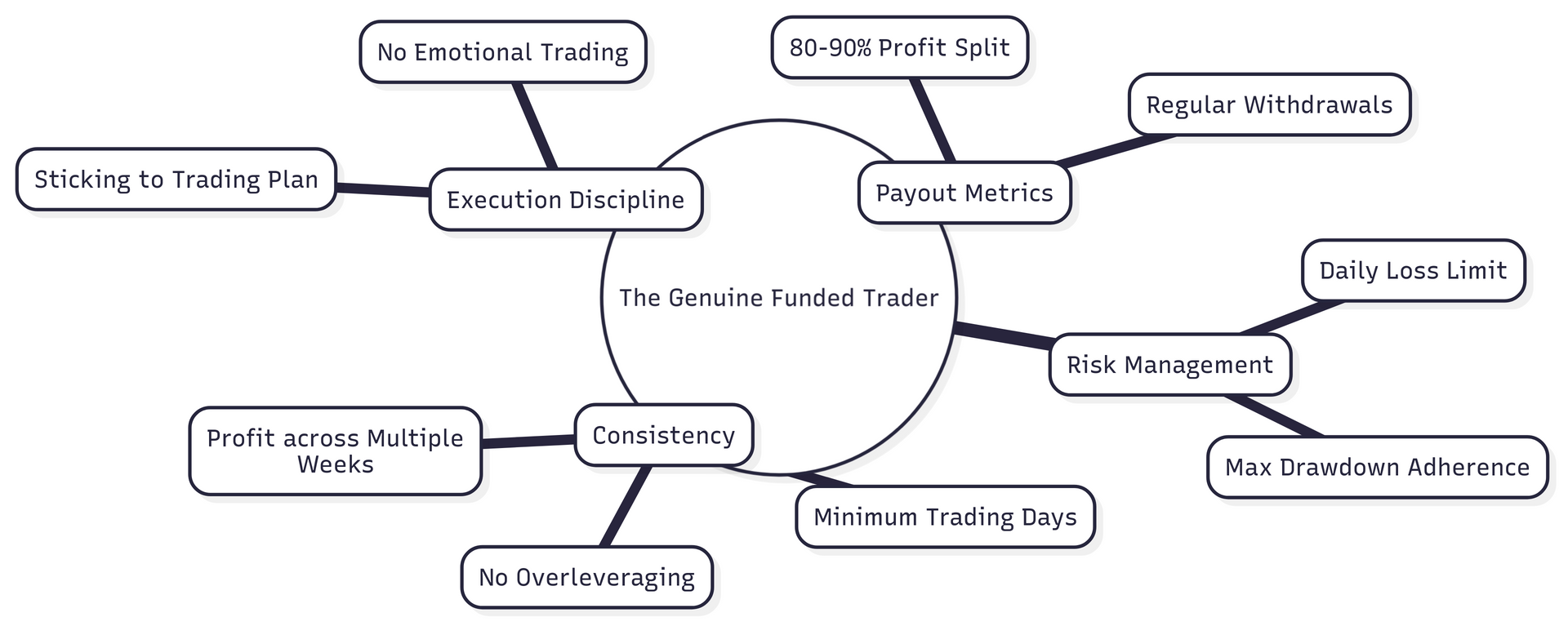
Image: Trader Consistency Mind map, Source: www.liquidityfinder.com
Data Focus: The Importance of Low-Risk Metrics
Focus on the firms with the highest relative drawdown tolerance. For a $100,000 account:
| Typical Risk Tolerance Models (Example $100k Account) Firm Model Max Drawdown Daily Loss Limit Total Risk Buffer | |||
| Strict Model (e.g., The 5%ers) | $5,000 (5%) | $3,000 (3%) | Very small, forces tight stops. |
| Standard Model (e.g., FTMO) | $10,000 (10%) | $5,000 (5%) | Balanced, allows some volatility. |
| Futures Model (Trailing) | $2,500 (4–5%) | $2,000 (4%) | Extremely strict, constant pressure to bank profits. |
Table: Typical risk tolerance of funded trading prop firms, Source: www.liquidityfinder.com
The tighter the rules, the more skilled you need to be. A genuine firm sets tight rules because they are looking for institutional-quality traders, which is necessary for their business model to work.
Conclusion
Finding a genuine funded trader account comes down to due diligence. You are essentially looking for an employer, not a broker.
Stick to the well-established names in each market segment - BlueSky for Futures, FTMO for Forex, and firms like Blue Guardian or BrightFunded for multi-asset trading with crypto access. Look for clarity in their rules, especially around drawdown, and verify their reputation regarding payouts.
Prop firms are a fantastic way to scale your trading income without needing massive personal capital. But remember, the challenge is designed to find those who can manage risk under pressure. If you can do that consistently, the potential for growth is immense.
Author
 | Navneet Giri - Navneet is a professional quantitative trader with extensive experience in derivatives trading across major global exchanges and financial markets, including cryptocurrencies. | He employs market-making strategies and participates in liquidity enhancement programs to achieve optimal trading results. |
Share this article

Comments
Most Recent
Find The Right Partners for
Your Trading Business
Sign up and join over 5,000 professional members who receive personalized news alerts, curated professional connections, and more for free!

LiquidityFinder's Sam Low sits down with Maria Pittashi, General Manager of Cyprus-based broker technology firm PLUGIT, to discuss its modular YOONIT platform, the Dynamic Margin tool brokers ask for by name, fixed-fee versus volume-based pricing, the hidden cost of manual KYC, and the AI features coming next.

As tokenisation and digital assets move from niche curiosity to mainstream expectation, banks and financial institutions face an uncomfortable truth: their legacy core banking systems were never built for this. From order execution and pre-funding to custody, portfolio management and gas fees, Olaf Ransome explores the key infrastructure challenges FIs must navigate and asks whether to re-use, buy or build their way to a solution that actually scales.
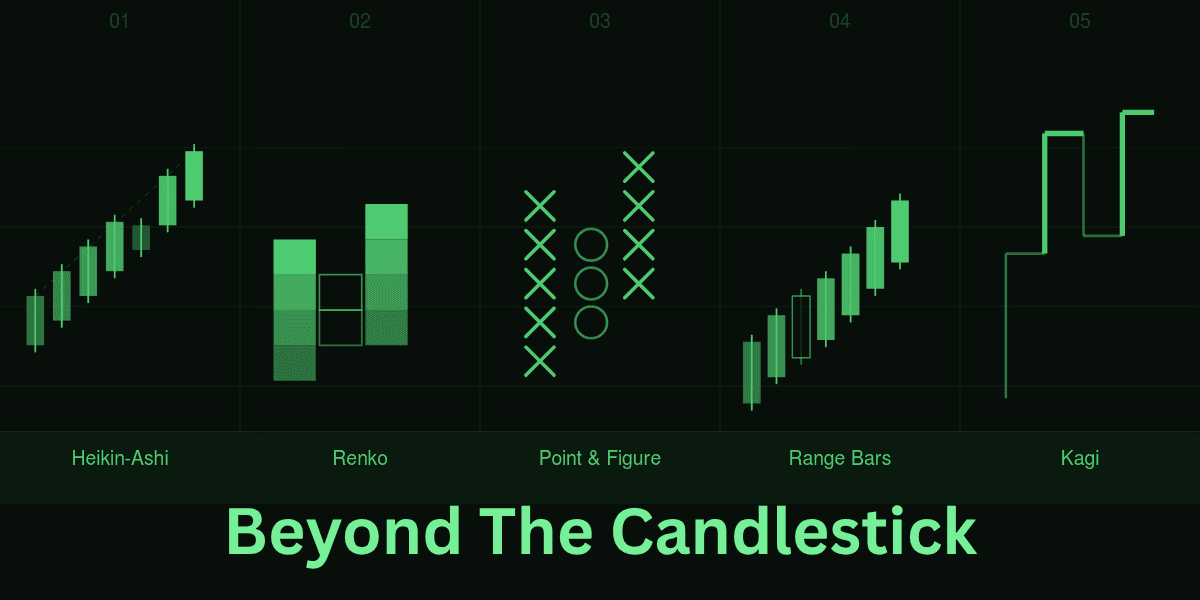
Candlestick charts dominate trading screens worldwide — but they are not always the sharpest tool available. This guide explores five proven alternatives: Heikin-Ashi, Renko, Point and Figure, Range Bars and Kagi. Learn how each works, what it reveals that candles can obscure, and how to integrate any of them into your existing workflow without disruption.
n in-depth review of TMGM (TradeMax Global Markets), the ASIC-regulated ECN broker offering raw spreads from 0.0 pips, MT4 and MT5, copy trading via HUBx and ZuluTrade, and 24/7 multilingual support across four regulated jurisdictions. Find out if TMGM belongs on your shortlist.
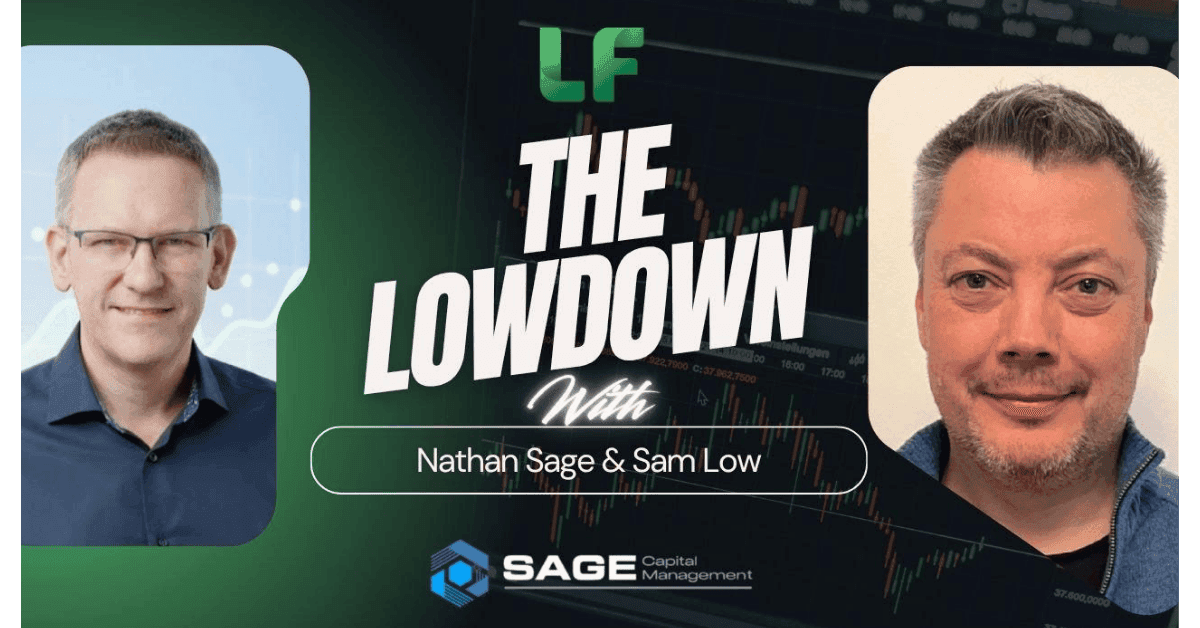
LiquidityFinder's Sam Low sits down with Nathan Sage, founder and CEO of Sage Capital Management, to trace his journey from FX fund manager to running a Bitcoin fund doing $1BN a day in 2016 — and how that experience of pain built one of the most connected prime brokerages in the digital assets market today.
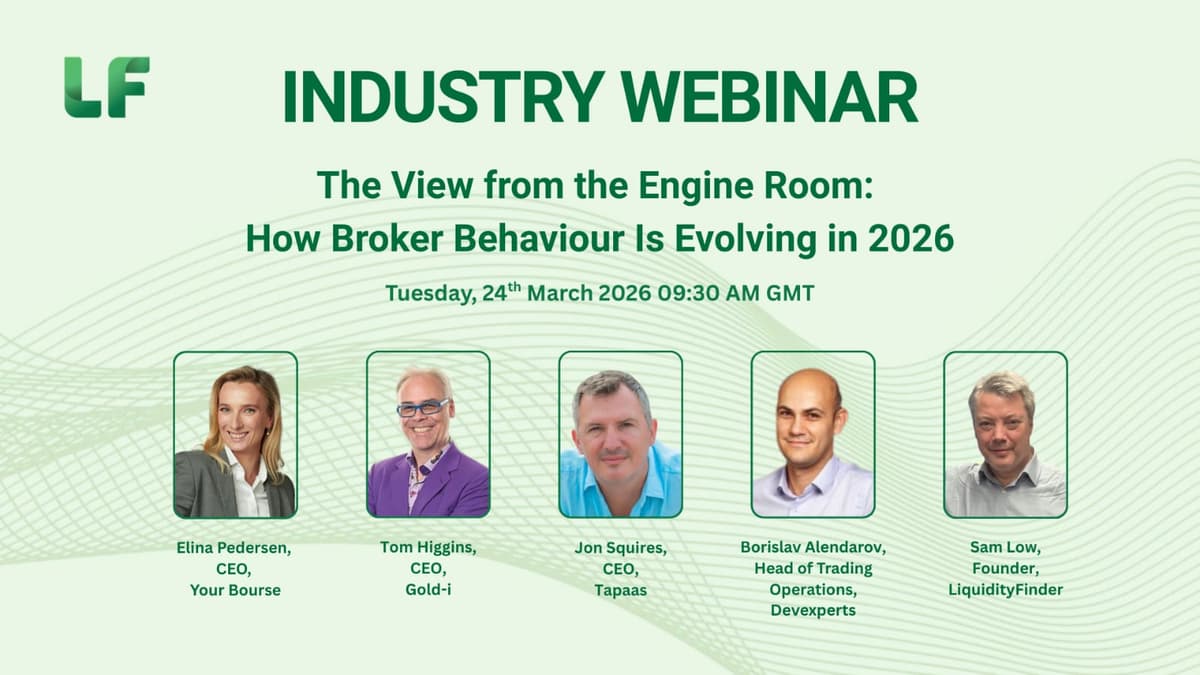
Gold at record highs, oil as a meme stock, and crypto exchanges eyeing your clients. Watch our expert panel - Gold-i, Your Bourse, Tapaas and Devexperts - discuss broker risk management, , AI trading and the MetaTrader debate.
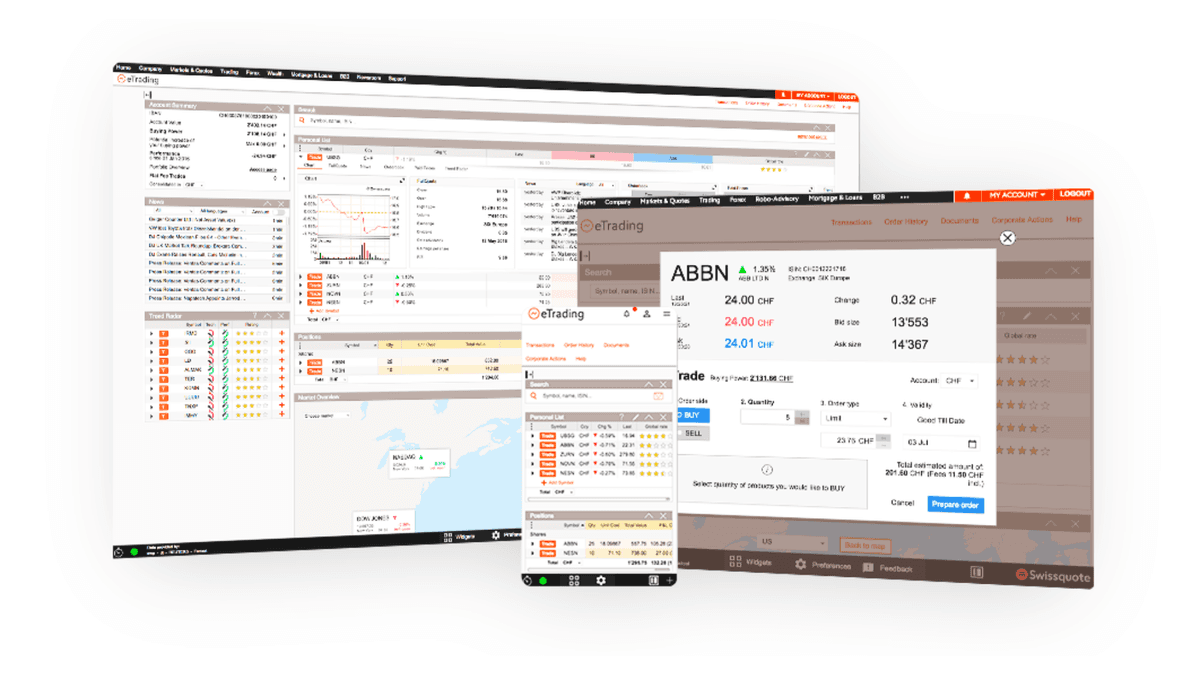
A complete comparison of MT4, MT5, cTrader, and modern proprietary trading platforms.

Discover whether KuCoin is still “The People’s Exchange” in 2026. This in-depth KuCoin review breaks down fees, KYC, security, Proof of Reserves, supported coins, deposits/withdrawals, futures, margin, Earn and the platform’s standout free trading bots — plus who it’s best for (and who should avoid it).
Create Your FREE Account
Get access to latest news, updates, real-time data, brokerage and trading firm insights and customized information feeds.


Institutional brokerage and financial infrastructure provider Clear Street has joined TradingView’s broker network, allowing its clients to trade US stocks, exchange-traded funds and options directly through the charting and analysis platform.


Learn how to improve trading psychology, manage fear and greed, avoid revenge trading, and follow your trading strategy with discipline and a trading journal.

GTC Prime has announced a strategic partnership with Centroid Solutions to manage and distribute its liquidity through CS 360 Bridge, Centroid's multi-asset connectivity and execution engine, giving brokers and institutional clients access to tailor-made pricing, low-latency execution and real-time risk management.


CMC Markets Founder and CEO, Lord Peter Cruddas, discusses the structural evolution of the Group, the accelerating opportunity across B2B and institutional markets, major global partnerships including Revolut, Westpac, and ASB, and his outlook for the remainder of the financial year ahead.
Clear Street has announced an exclusive partnership with Seawolf Capital to bring market commentary from Danny Moses, Vincent Daniel and Porter Collins to its clients and the wider investing community, including live market calls, digital content and events. New programming will sit alongside Seawolf's podcast.


Yields are surging. But is inflation really the reason? This week’s BitDelta Pro Weekly Outlook looks beyond the headline explanation to examine what is actually driving the move in rates, and what that could mean across equities, credit and commodities. We also explore the growing importance of balance-sheet quality, the signals emerging from the AI infrastructure cycle, and what oil and gold may be telling markets about the current macro regime. Read the full Weekly Outlook. BitDelta Securities Financial Services LLC, regulated by the Capital Market Authority under Category 5 (Introduction Only), acts solely as an introducer and does not provide trading, execution, dealing, advisory, portfolio management, or custody services. All trading, execution, and investment-related services are provided by BitDelta Limited, Mauritius, a licensed Investment Dealer. All trading and investments involve risk. The value of investments may fluctuate, and you may receive less than your initial investment.

Devexperts has appointed Rainer Fuchsluger as Global Group Chief Executive Officer, effective immediately. His career spans LSEG, Wolters Kluwer, SS&C and Thomson Reuters, and he follows Ben Hurley, who was CEO for two years. His mandate covers international growth, cloud computing and AI across the portfolio.

ATFX has been named Best Global Forex Broker at Forex Expo Dubai 2026, held on 22 and 23 September at the Dubai World Trade Centre. ATFX MENA's Mohammad Shanti also presented on designing currency pairs and FX portfolios for 2026 macro regimes at the event, which drew more than 23,000 attendees and 270 exhibitors.
Yapı Kredi Kripto has selected Integral's digital asset trading technology for its soon-to-launch regulated cryptocurrency business in Türkiye. The deployment covers pricing, liquidity and risk management as the country's new digital asset framework comes into effect, building on an FX relationship with Yapı Kredi.
AUDJPY price forecast: Watch resistance at 110.045–110.403 for bearish rejection toward 109.283 or a bullish breakout targeting 111.550.
Feed