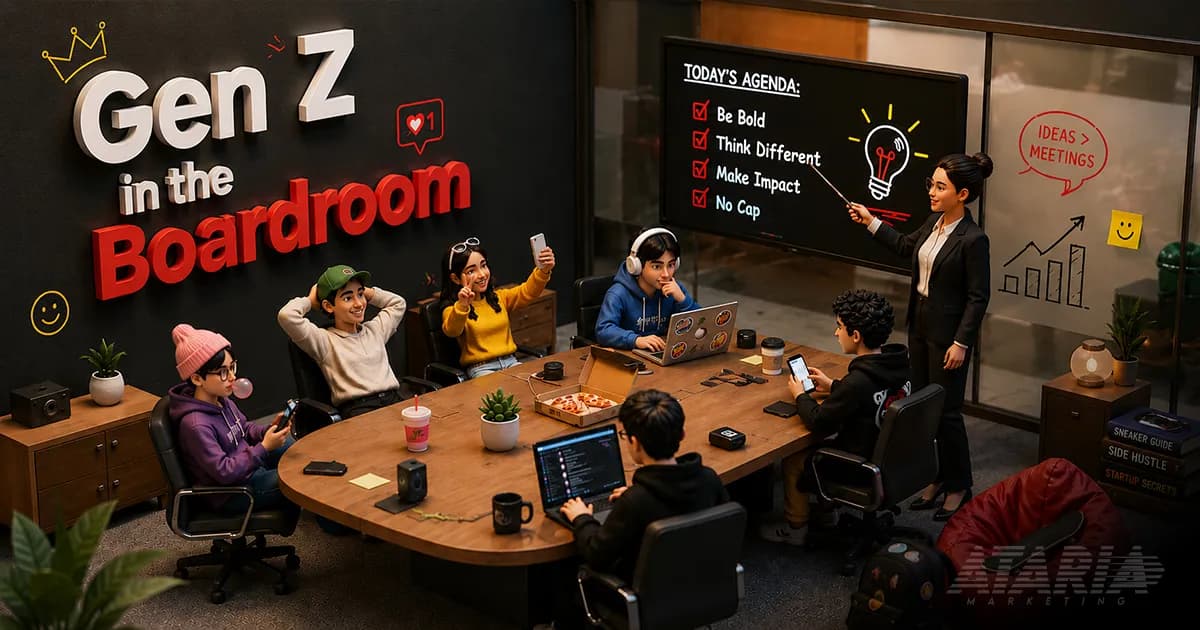

If your leadership style hasn’t evolved since the 1980s, chances are, you’re missing out on something crucial. The newest generation Gen Z is stepping into the boardrooms and workspaces, bringing with them fresh perspectives, expectations, and work ethics.
They’re not here just to fill seats; they want to make a meaningful impact. So, the question is:
How do you, as a leader, adapt without losing your grip on experience and authority?
Let’s dive into why traditional leadership models are facing a wake-up call and how you can adopt a new approach to keep Gen Z motivated and loyal.
The Clash: Legacy Leadership Meets Gen Z Expectations
Traditional leadership often emphasized hierarchy, long-standing roles, and one-way communication. Meanwhile, Gen Z thrives in an environment where openness, collaboration, and purpose matter. Here’s a quick comparison to get a clearer picture:
| Aspect | Legacy Leadership | Gen Z Expectations |
| Communication Style | Top-down, formal | Transparent, two-way |
| Work Environment | Fixed hours, centralized | Flexible, remote-friendly |
| Career Path | Slow progression, tenure-focused | Fast growth, skill-building |
| Values | Profit and stability | Social impact and purpose |
Ignoring these differences can lead to disengagement.
The result? High turnover, stifled innovation, and a disconnect that leaves both leaders and young talent frustrated.
What Gen Z Expects from the Workplace?
Gen Z isn't a single group with identical expectations. Individual motivation still matters. However, several workplace expectations are becoming increasingly important.
- Purpose Over a Paycheck
Compensation will always matter. But money isn't the only factor influencing engagement. Gen Z employees increasingly want to understand the purpose behind their work.
- What problem does it solve?
- Who benefits from it?
- Why does it matter?
- Feedback Over Annual Reviews
Imagine waiting an entire year to discover whether you're doing something correctly. For many people entering today's workforce, that model feels unnecessarily slow.
Gen Z is accustomed to immediate communication. They can send a message and receive a response within minutes. They can publish something and see reactions almost instantly.
- Flexibility Over Rigid Structures
The modern workplace has already demonstrated that productivity doesn't always depend on sitting at the same desk for eight hours. Remote and hybrid work have changed expectations.
That doesn't mean every role should become fully remote. It means businesses should distinguish between being present and being productive.
- Growth Over Job Titles
A job title can look good on a business card. It doesn't necessarily create motivation. People want to know that their skills are developing and that their career has somewhere to go. For Gen Z, professional growth may include:
- Learning new technologies
- Working on meaningful projects
- Developing leadership skills
- Receiving mentorship
- Taking on greater responsibility
- Exploring different career paths
- Transparency Over Corporate Silence
Information gaps create assumptions. When employees don't understand why a decision was made, they often fill the gap themselves.
Leaders don't need to share every confidential detail. But where transparency is possible, it can build trust. Gen Z don't expect every decision to go their way. They often simply want to understand it.
The Leadership Habits That May No Longer Work
Not every traditional leadership practice needs to be done. But some deserve another look.
- Micromanagement is one example. When every decision requires approval, capable employees stop thinking independently.
- Another is information hoarding. In the past, information could naturally remain concentrated at the top because access was limited.
- Delayed feedback is another outdated habit. If a problem can be addressed today, waiting months to discuss it doesn't make much sense.
The point isn't to criticize the leadership styles of previous generations. The environment has simply changed. And leadership must be willing to change with it.