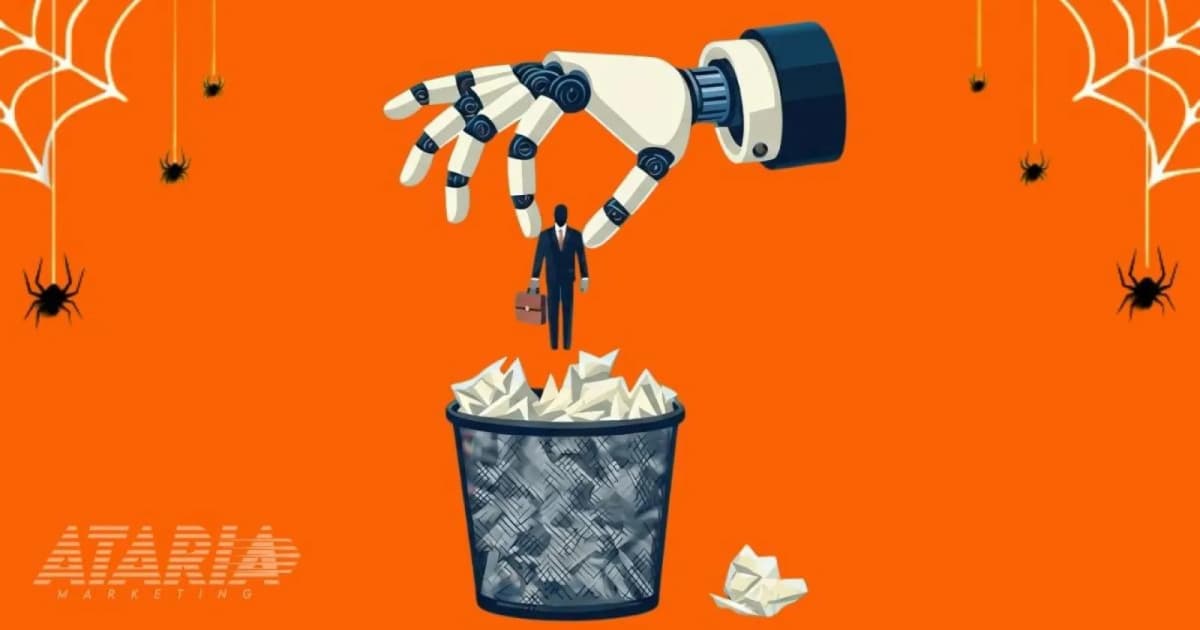

It’s not too old when we were told AI what to do. We type questions, give prompt, ask it to analyze something and then wait for the answer. Now that relationship is changed. Wait! Do you think:
What happens when AI doesn't wait for the next instructions, when it can watch what's happening, decide what needs attention, and take the next step on its own?
At that point, the situation becomes considerably more intriguing. Because the biggest change in AI may not be that machines are becoming better at answering questions. It may be that they are becoming better at acting without being asked. And once AI can act, we have to start asking a different set of questions.
Real Change Isn't Smarter AI. It's AI With Permission.
Intelligence by itself doesn't give AI much power. Access does.
Consider an AI system that can read data but cannot change anything. Its role is limited. Now give that system access to your CRM. Then your financial platform, your internal workflows, customer communication and operational systems.
Suddenly, the same intelligence has a much bigger impact. This is why the conversation around AI autonomy is not only about algorithms. It is also about:
- Access
- Permissions
- Integrations
- Automation
- Security
- Governance
- Accountability
An AI system can be extremely capable. But capability without boundaries can create problems just as quickly as it creates efficiency. The question isn't only how intelligent the system is. It's what the system is allowed to do with that intelligence.
What will Happens When the Machine Makes the First Move?
Let's make this practical. Imagine an AI system monitoring a business environment. It notices an unusual customer transaction. It identifies a pattern that looks different from normal behavior.