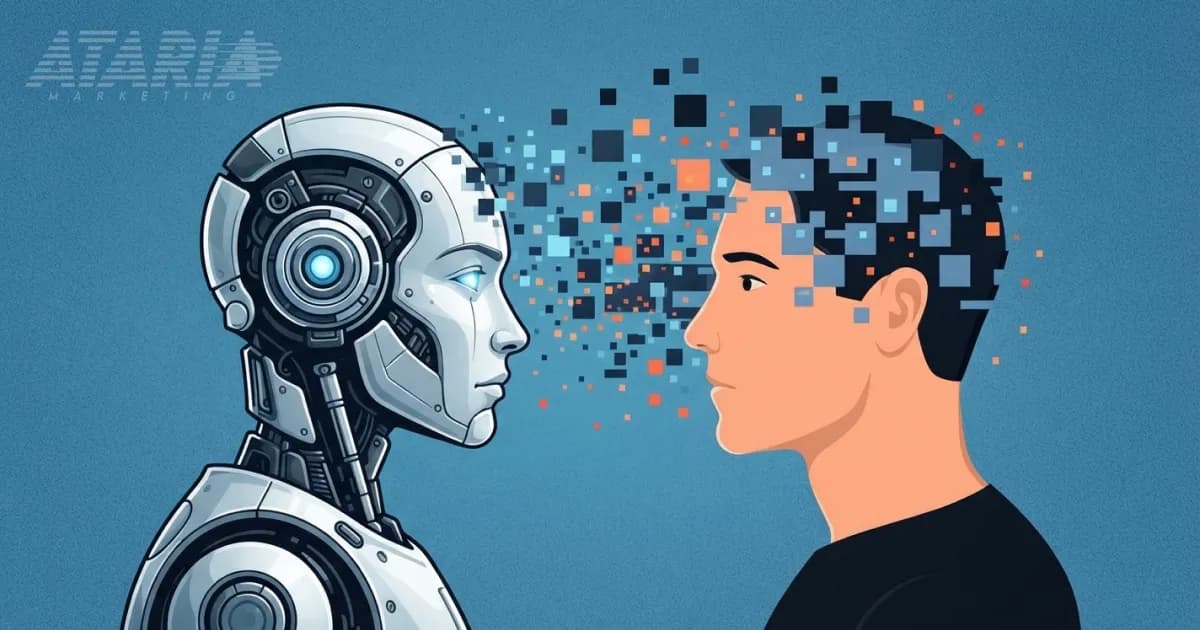

A system can analyze thousands of records such as spot patterns, compare outcomes, identify anomalies, and recommend what should happen next. That sounds impressive. And it is. But imagine a machine recommends a decision that looks perfect in the data but creates an unexpected problem for a customer, a team, or the business itself. The question:
Whether human judgment will remain part of the process?
is becoming more important.
Machines Are Already Helping Us Decide
Machines process huge amounts of data faster and more accurately than humans. They spot patterns, analyze risks, and suggest options in seconds. For example:
- AI-powered tools optimize supply chains.
- Algorithms recommend investments based on market data.
- Smart assistants schedule meetings and manage tasks.
These tools increase efficiency and reduce errors. But do that mean machines can replace humans altogether? Not quite.
Humans Bring What Machines Can’t
There’s more decision-making than crunching numbers. Humans add value by bringing:
- Emotions and empathy: Understanding feelings and social cues.
- Intuition: Making judgments when data is incomplete.
- Ethics and values: Navigating moral dilemmas and fairness.
- Being creative means coming up with novel solutions to issues.
No algorithm can fully grasp these human elements yet. That’s why human judgment remains critical, especially in complex or uncertain situations.
The Limits of Machine Decision-Making
Despite their power, machines have weaknesses:
- They rely on the quality of input data garbage in, garbage out.
- They can inherit biases present in training data.
- They lack common sense and emotional intelligence.
- Ethical decisions often require human oversight.
So, blindly trusting machines can backfire, making human input indispensable.
The Future: Humans and Machines, Hand in Hand
Instead of replacing humans, the objective is to enhance them. This synergy is called augmented intelligence:
- Machines handle data-heavy analysis.
- Humans add context, empathy, and ethical judgment.
- Together, they make better, faster, and fairer decisions.
Industries like healthcare, finance, and customer service are already benefiting from this collaboration. Machines are powerful allies, but they won’t make human decision-making obsolete anytime soon. Humans bring heart to the hard data and judgment machines lack. The real power lies in working together; humans leading, machines supporting.