just now


Liquidity Finder Ltd is incorporated in England and Wales, company number 10610740, registered address 167-169 Great Portland Street, Fifth Floor, London W1W 5PF, United Kingdom.
Published: just now
By now, you’ve likely realized something important about MACD:
On its own, it’s informative - but incomplete.
This is where most traders either level up or spiral into confusion.
Some traders refuse confluence entirely, believing one indicator should be enough.
Others stack too many indicators, hoping quantity will replace clarity.
Professionals sit in the middle.
They don’t stack tools to increase signals.
They stack tools to eliminate weak ones.
MACD’s role in confluence is simple:
Confirm momentum where other tools already suggest opportunity.
Markets are probabilistic.
No indicator, pattern, or setup guarantees outcome.
What increases probability is alignment.
When:
…all point in the same direction, decision-making becomes calmer and more disciplined.
MACD helps answer one key question in confluence:
Is momentum actually supporting this idea?
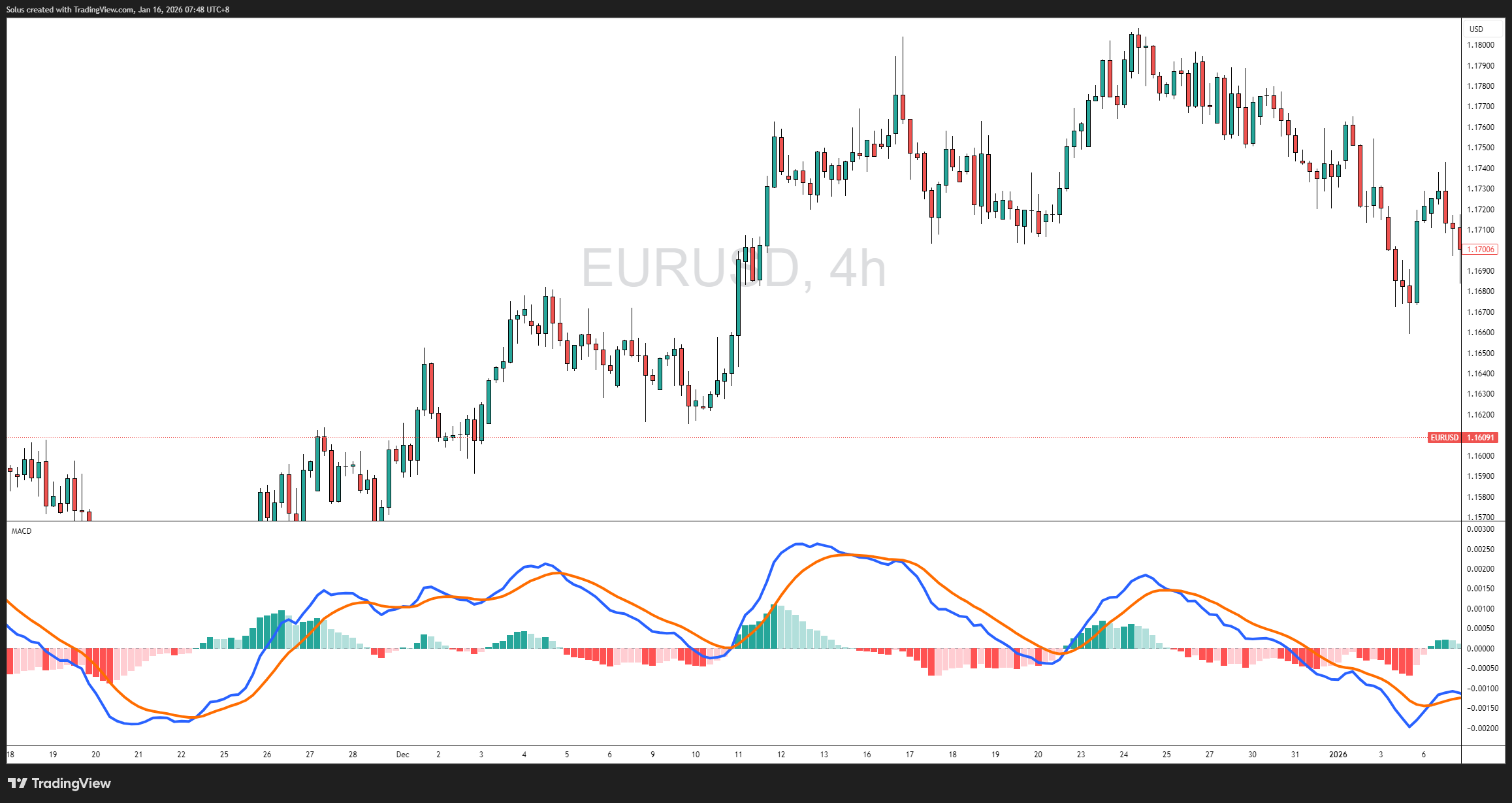
Moving averages define structure and bias.
MACD confirms energy within that structure.
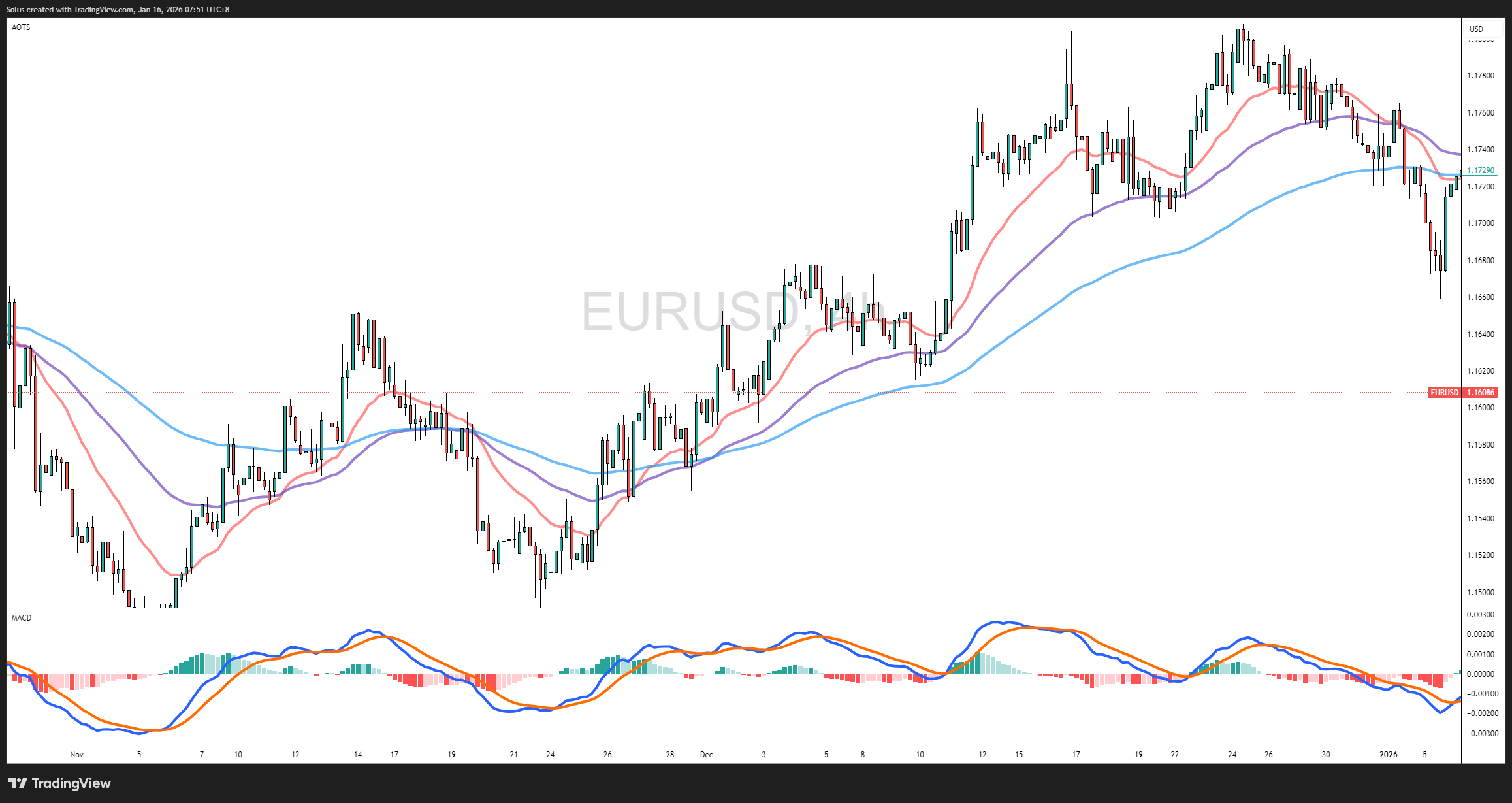
This signals a healthy trend, not exhaustion.
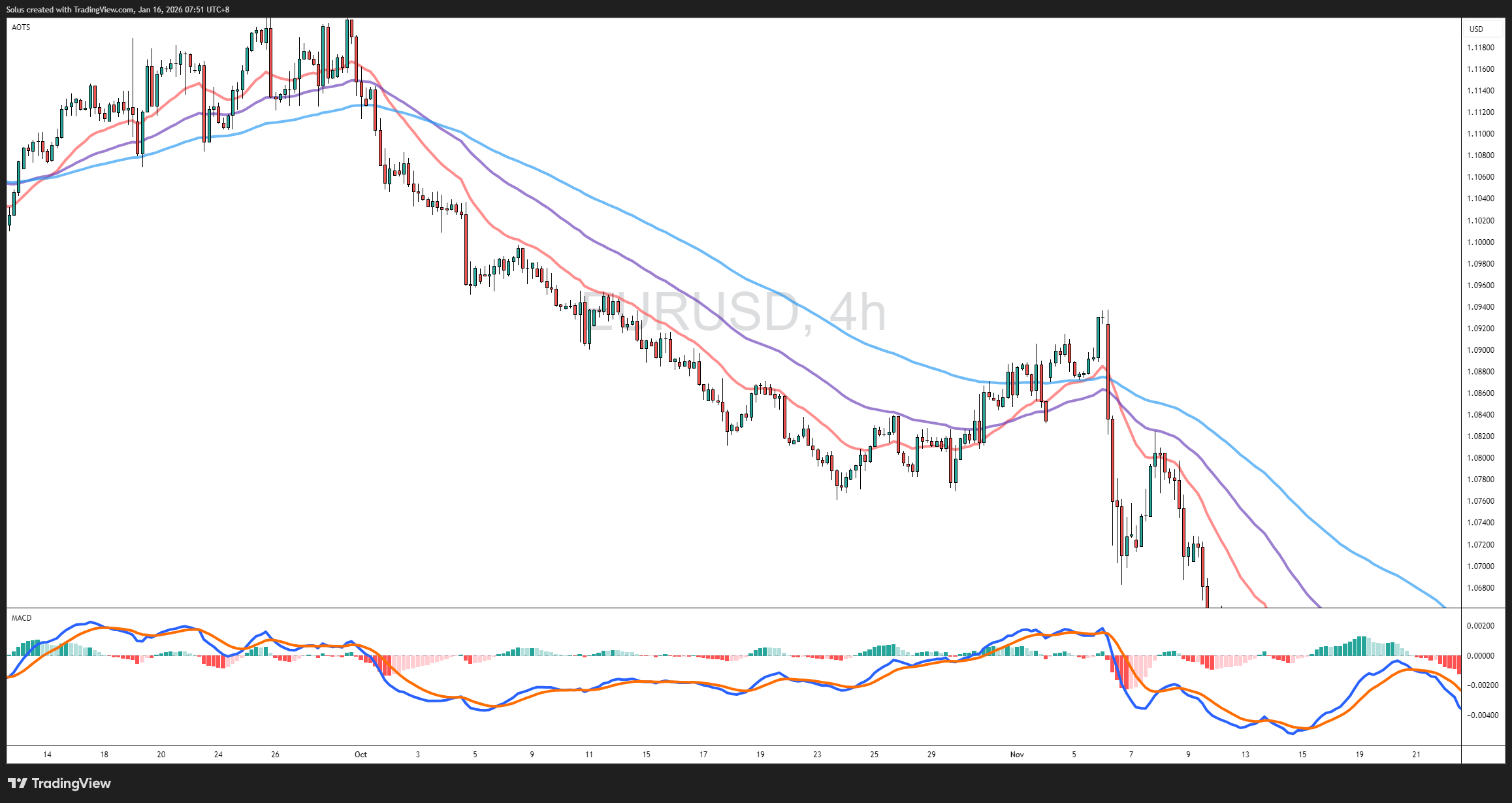
When MACD contradicts EMA direction, professionals pause - not force trades.
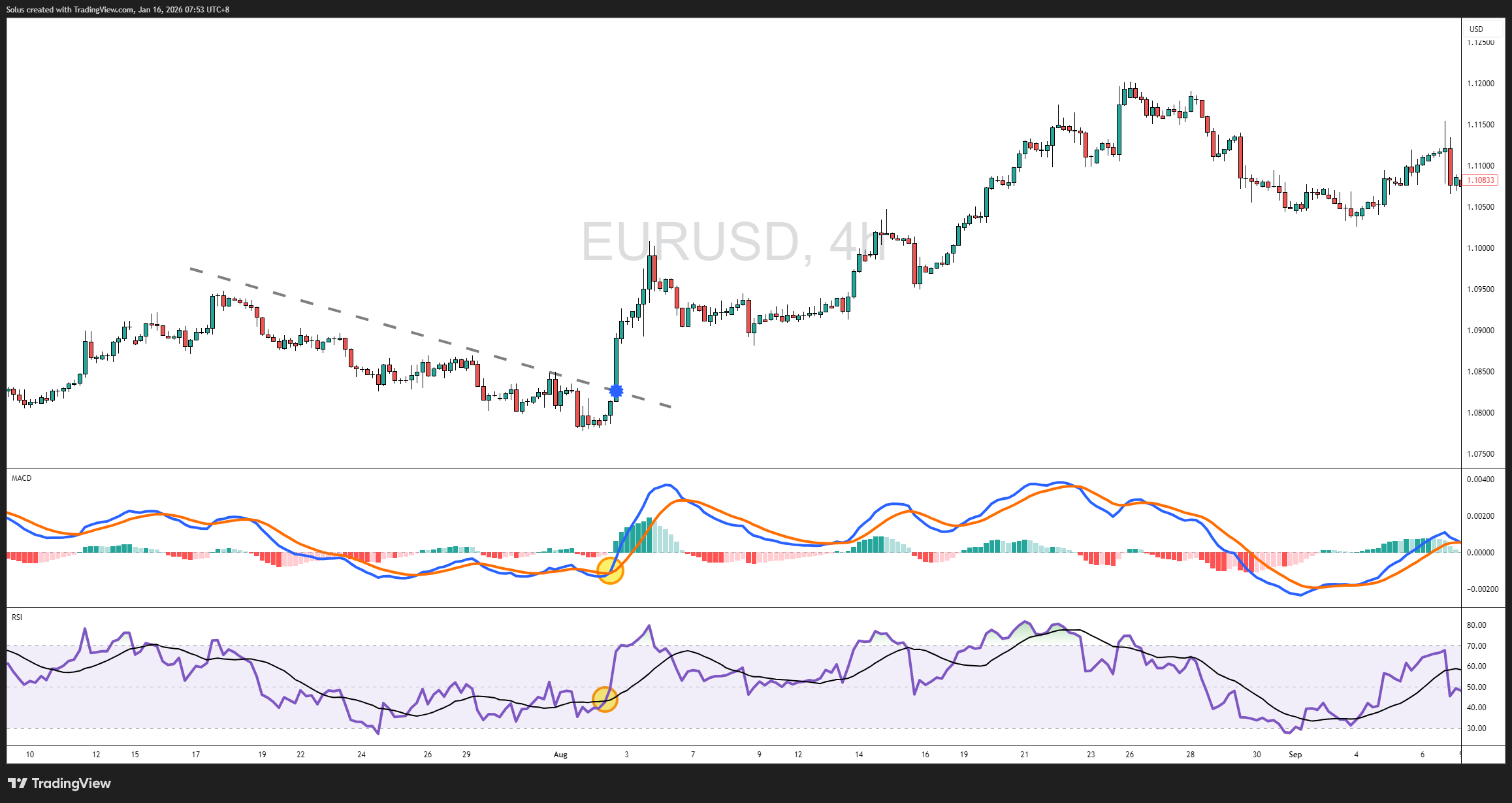
RSI and MACD measure momentum differently.
Used together, they expose false confidence.
This combination is especially useful in:
RSI keeps MACD honest.
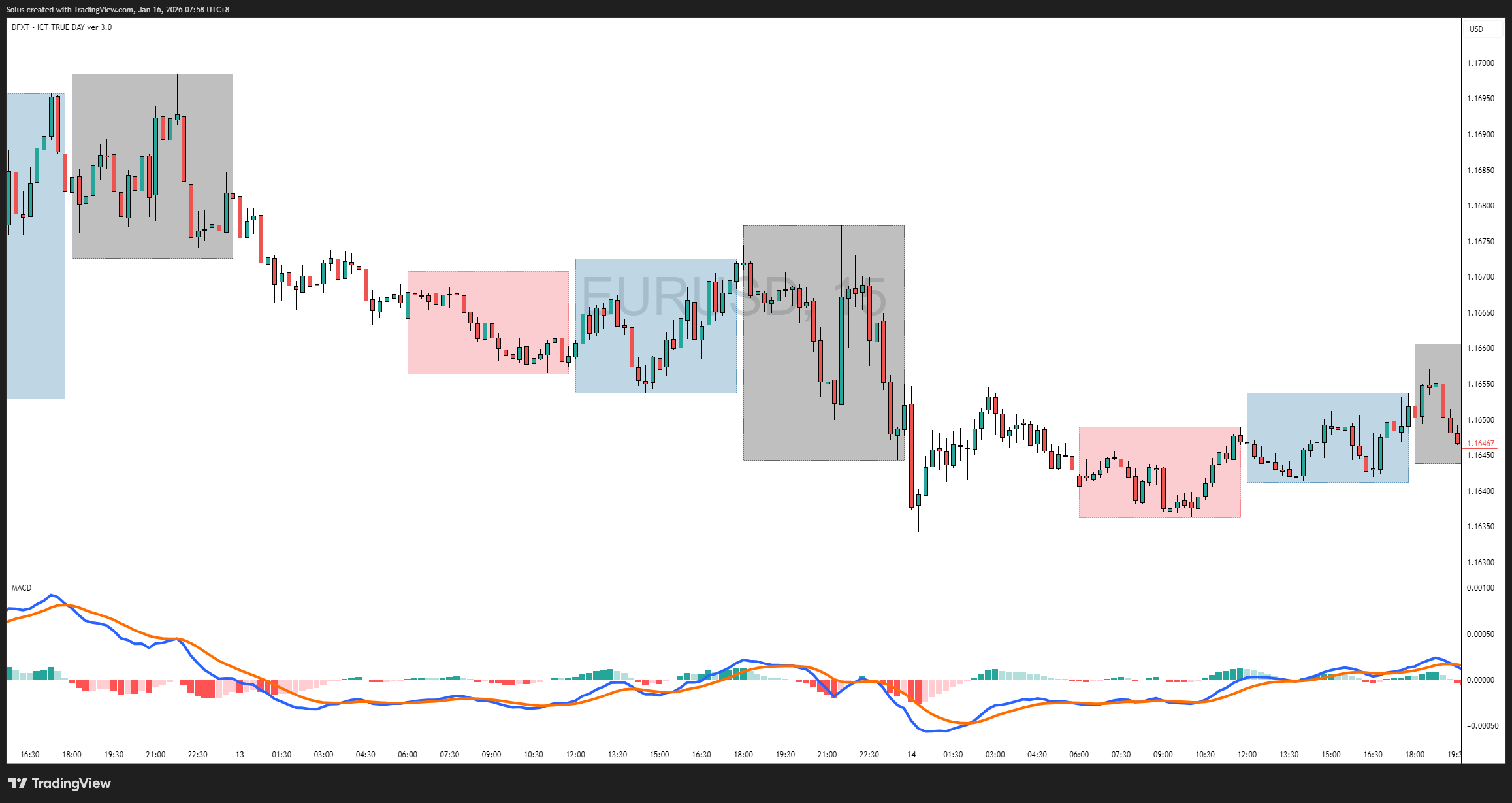
MACD signals mean very little without location.
Momentum behaves differently:
When MACD fires in the middle of nowhere, professionals ignore it.
The purpose of confluence is not perfection - it’s consistency.
A simple professional checklist might look like this:
Trend
Momentum
Strength Filter
Location
Invalidation
If 3–4 boxes aren’t checked, no trade is taken.
This removes:
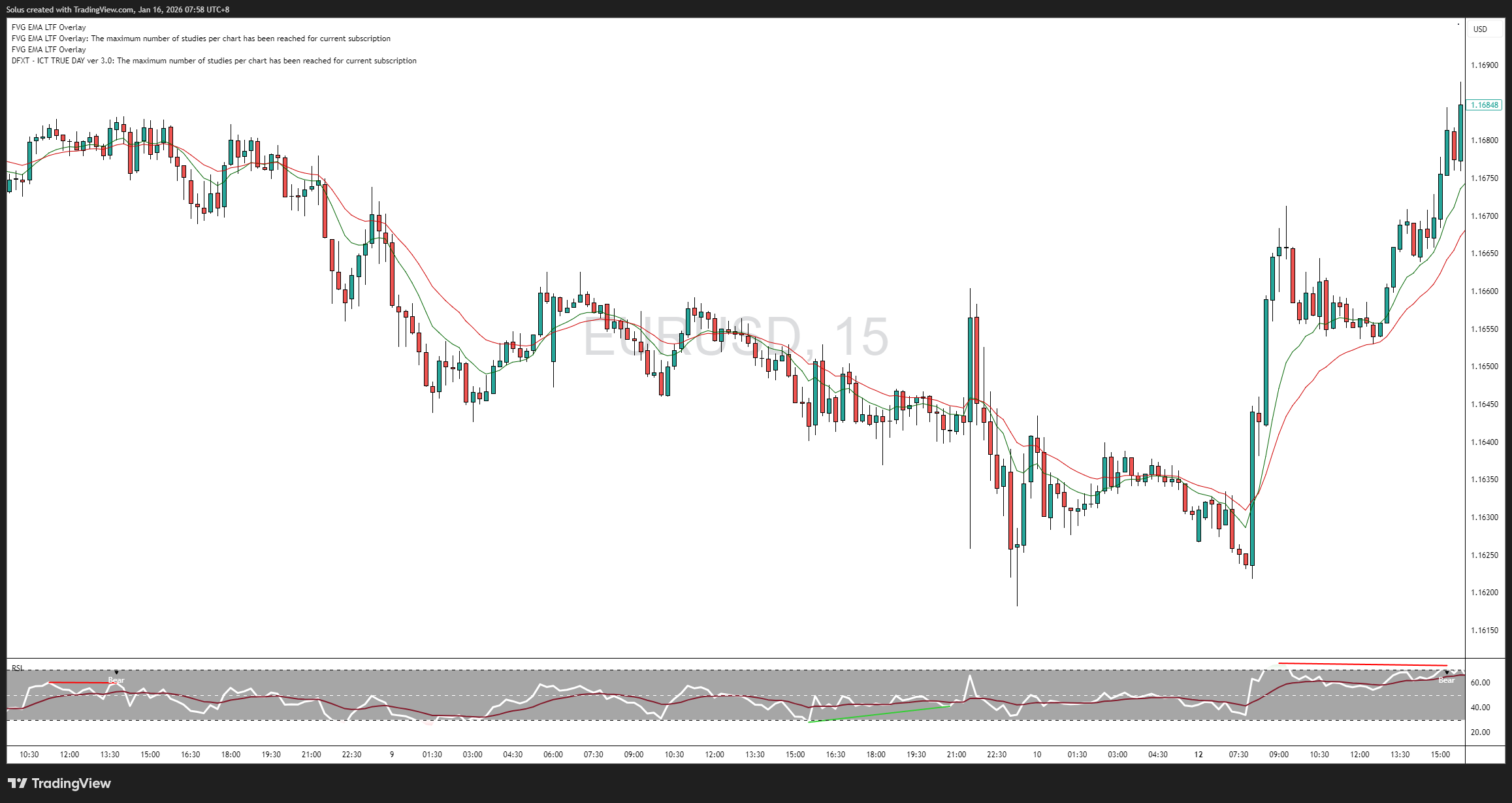
Many traders mistake confluence for complexity.
Adding indicators doesn’t:
What it often does is:
MACD works best with few, well-defined partners - not a crowded chart.
Think of trading like a doctor diagnosing a patient.
A good doctor doesn’t rely on:
They look for patterns across data points.
MACD is one test.
Price, EMAs, RSI, and levels are others.
A diagnosis is made when enough evidence agrees - not when one signal screams the loudest.
MACD doesn’t need to be your hero indicator.
Its job is quieter than that.
It:
When MACD agrees with structure, strength, and location, trades feel clearer - even when they lose.
That clarity is what professionals trade for.
It’s time to go from theory to execution!
Create an Account. Start Your Live Trading Now!
Looking for step-by-step approaches you can plug straight into the charts? Start here:
Sharpen your edge with proven tools and frameworks:
News moves markets fast. Learn how to keep pace with SMC-based playbooks:
From NASDAQ opens to DAX trends, here’s how to approach indices like a pro:
Gold remains one of the most traded assets - here’s how to approach it with confidence:
Candlesticks are the building blocks of price action. Master the most powerful ones:
Ready to go intraday? Here’s how to build consistency step by step:
Markets swing between calm and chaos. Learn to read risk-on vs risk-off like a pro:
Step inside the playbook of institutional traders with SMC concepts explained:
Forex pairs aren’t created equal - some are stable, some are volatile, others tied to commodities or sessions.
If you’ve ever been stopped out right before the market reverses - this is why:
Mindset is the deciding factor between growth and blowups. Explore these essentials:
The real edge in trading isn’t strategy - it’s how you protect your capital:
If you’re not sure where to start, follow this roadmap:
This way, you’ll grow from foundation → application → mastery, instead of jumping around randomly.
Follow me for more daily market insights!
Jasper Osita - LinkedIn - FXStreet - YouTube
This content may have been written by a third party. ACY makes no representation or warranty and assumes no liability as to the accuracy or completeness of the information provided, nor any loss arising from any investment based on a recommendation, forecast or other information supplies by any third-party. This content is information only, and does not constitute financial, investment or other advice on which you can rely.
ACY Securities is one of Australia's fastest growing multi-asset online trading providers, offering ultra-low-cost trading, rock-solid execution, technologically superior account management and premium market analysis.

Select the categories and companies you wish to follow directly to your person rss feed.
Create Custom RSS FeedSign up and join over 5,000 professional members who receive personalized news alerts, curated professional connections, and more for free!
Bybit has launched Perp Options, described as the first options contracts built on TradFi perpetuals, giving traders round-the-clock access to US equity options. SpaceX and Nvidia are the first underlying assets, with USDT settlement and integration into Bybit's Unified Trading Account.
Use this trading preparation checklist to plan your session, define entry rules, manage risk, and build a disciplined trading routine in seven steps.
Your Bourse expands its crypto liquidity ecosystem with Caladan, giving brokers access to broader market coverage, institutional execution capacity and streamlined settlement.
Scope Markets, the retail brokerage part of Rostro Group, has appointed Ibrahim Hossny as Head of Research and Marketing for the Middle East and North Africa.
Hantec Prime, the institutional division of Hantec Markets, has reported trading volume up more than 300% year-to-date, alongside the addition of 42 new institutional clients since December, capping one of its strongest years of growth to date.
Learn how to refine XAUUSD support and resistance on the daily chart using candle bodies, market structure and weekly gold levels for swing trading. A slug alone cannot guarantee a top Google ranking. Keep it focused rather than adding every supporting keyword.
The week in Dubai will be focused on connecting directly with the industry and discussing how technology can help modern brokerages simplify operations, automate workflows, strengthen operational control, and scale efficiently.
Devexperts has launched a turnkey solution giving brokers in South Korea access to US equity markets, combining its DXtrade trading platform, dxFeed market data, and execution services. The offering targets South Korea's growing retail demand for US stocks, worth several billion USD monthly.
Assess why WTI crude oil surged past $105 per barrel amid Saudi pipeline disruptions, record tanker charter rates, and escalating geopolitical tensions.
Bitcoin price forecast: BTC/USD retests $78,460–$80,215 resistance. Watch bearish confirmation toward $72,480 or a bullish breakout toward $86,150.