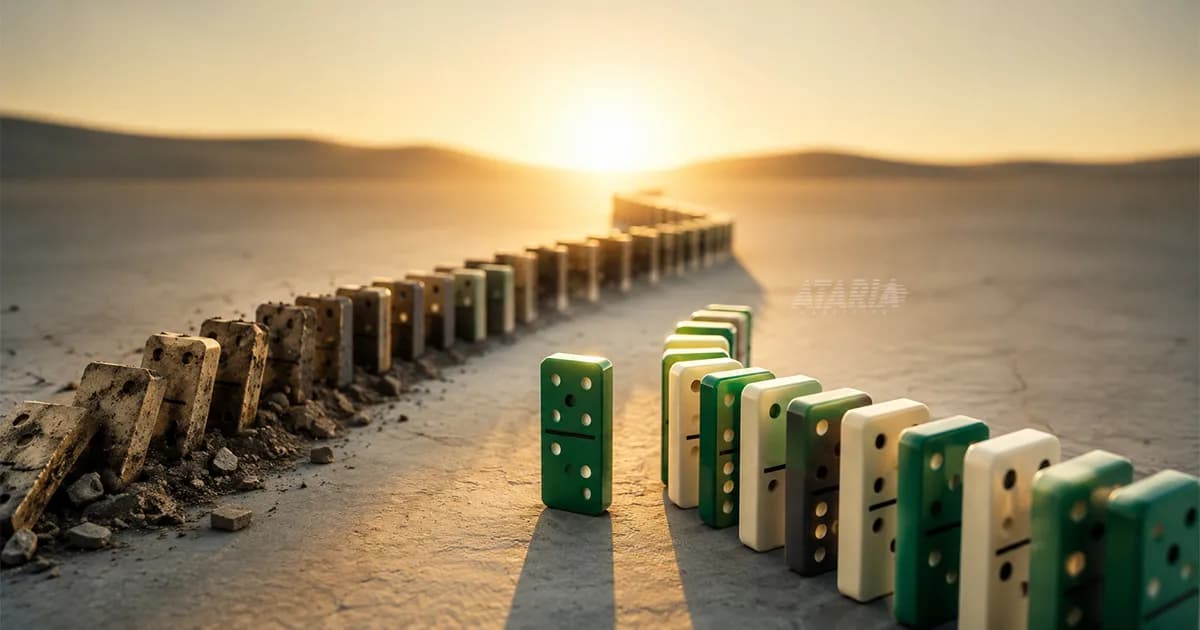

Are you building something that works now, or something that lasts?
There is a question I think every business owner should ask at some point, but most of us are too busy running the business to stop and ask it:
If I stepped away tomorrow, would everything I built keep moving forward?
It is an uncomfortable question. It forces you to look beyond revenue, clients, growth charts, and today's targets. That is where the difference between building a business that works and building a business that lasts begins. The Temptation of Quick Wins We all love instant results. Fast growth, immediate profits, and the thrill of a project that takes off. It’s easy to get caught up by chasing short-term successes. But here’s the catch quick
wins can sometimes be like a flash in the pan. Bright at first, but gone before you know it.
Quick fixes might boost numbers now. But they rarely build strong foundations. Ask yourself:
Are you looking for applause today or respect tomorrow?
What Does Building Last Really Mean?
Building something that lasts isn’t just about erecting sturdy walls. It’s about creating a system, culture, or product that adapts, evolves, and withstands challenges over time. Lasting ventures have:
1. Resilience that helps bounce back from setbacks.
2. Adaptability to grow with changing needs.
3. Strong foundations rooted in clear values and vision.
This mindset moves beyond chasing headlines and focuses on meaningful and sustainable growth.
The Hidden Cost of Ignoring Legacy
Focusing only on immediate gains can feel tempting, but it carries hidden risks:
1. Eroding customer trust and loyalty.
2. Damaging team morale and company culture.
3. Missing out on future opportunities and innovation.
Think of it this way: shortcuts may get you there faster, but often at the cost of durability.
How to Shift Towards Building for the Long Haul?
Switching gears from short-term hustle to legacy-building calls for deliberate steps:
1. Prioritize long-term vision over immediate gratification.
2. Embed sustainability into your strategies and processes.
3. Invest in people and culture as core pillars.
4. Encourage innovation that aligns with your values.
It’s not always easy, but the payoff is a foundation that supports growth for years to come.
So, which is it?
Are you building something that just works now or something that truly lasts?
Take a moment. Think it over. And then make your move. Because the future favors those who build with purpose and persistence.
Start building not just for today but for generations to come.