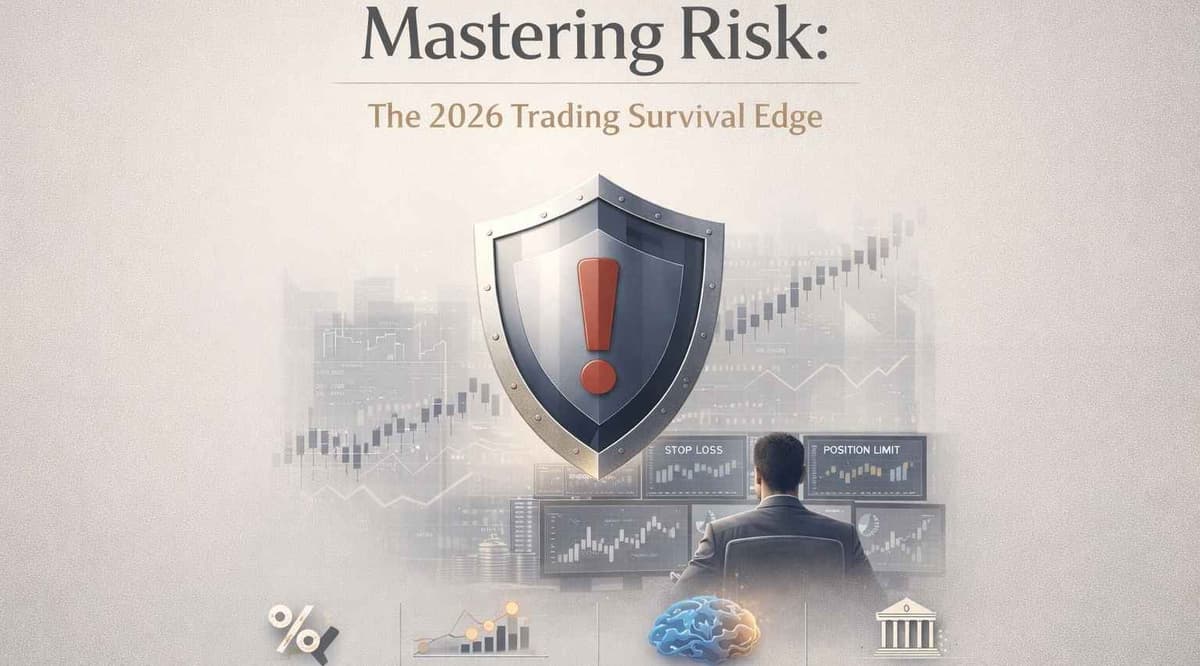

Risk management forms the cornerstone of sustainable success in forex and CFD trading ecosystems. As a Business Development Manager at Spotware with over six years in fintech, I observe how sophisticated risk frameworks enable brokers and prop firms to navigate volatility, preserve capital, and drive long-term growth.
Strategic Imperative of Risk Management
In an era defined by geopolitical tensions, algorithmic dominance, and rapid market shifts, risk management transcends mere compliance; it becomes a strategic differentiator. Industry data indicates that approximately 70% of retail accounts incur devastating losses within their first year absent rigorous controls. Platforms embedding automated safeguards, such as position sizing limits and dynamic stop-loss orders, instill trader discipline early, mitigating the impact of impulsive decisions.
Brokers adopting these measures report 35% improvements in client retention, alongside enhanced profitability and resilience to tail-risk events like the 2025 algorithmic flash crashes. Far from a defensive tactic, proactive risk oversight builds stakeholder trust, fortifies balance sheets, and unlocks scalable operations in competitive markets.
Core Frameworks for Institutional Resilience
Robust frameworks hinge on disciplined protocols customized for high-stakes environments. Institute position limits restricting single trades to 1-2% of account equity, providing buffer against prolonged drawdowns. Dynamic trailing stops, indexed to volatility gauges like Average True Range (ATR), adapt in real time to fluctuating conditions.
Prop firms refine this through phased challenges enforcing daily drawdown caps around 5%, filtering for elite performers before capital allocation. Correlation analysis prevents overexposure in linked assets, such as forex majors amid central bank decisions. Leverage governance is paramount: cap at 1:30 for EU clients per CySEC standards, with tiered options globally, complemented by automated margin alerts and stress simulations against historical crises.
These layered defenses not only protect assets but also empower data-driven scaling.
Technological Catalysts for Precision Control
Modern platforms leverage advanced analytics to transform risk management into a proactive powerhouse. Algorithmic gates detect and curb anomalous positions, while portfolio heatmaps offer granular visibility into aggregate exposures, enabling preemptive adjustments. Bridge integrations streamline liquidity without inflating systemic risks.
AI-driven forecasting anticipates breach risks up to 48 hours ahead, allowing recalibration before escalation. Utilizing such innovations have slashed compliance costs by 40%, repositioning risk tools as premium offerings that enhance client acquisition and retention.
Mastering the 2026 Regulatory Horizon
Regulatory scrutiny has intensified post-2025, with CySEC and FCA emphasizing verifiable risk education in onboarding processes and stringent controls on slippage alongside negative balance safeguards. Violations invite multimillion-euro penalties, making integrated compliance suites indispensable for audit readiness.
ESMA's evolving prop firm directives mandate payout transparency exceeding 80% verified ratios, compelling operators toward auditable analytics. Forward-leaning brokers who prioritize these adaptations not only sidestep pitfalls but also emerge as market leaders, primed for cross-border expansion.
Cultivating Partnerships Rooted in Risk Excellence
My tenure forging fintech alliances underscores that thriving collaborations stem from congruent risk priorities. Mid-tier CFD brokers gain from ultra-low latency execution paired with scalable risk engines handling peak volumes effortlessly.
Prop firms addressing payout disputes benefit from transparent reporting that rebuilds confidence and accelerates scaling. Spotware delivers bespoke integration strategies, often compressing deployment timelines by half for visionary partners. I encourage exploring how aligned solutions can reinforce your infrastructure amid 2026 uncertainties.
Subscribe for weekly executive briefings on fintech innovations, compliance strategies, and partnership blueprints. What risk management facet do you consider most transformative for your firm? Your insights in the comments are valued.