just now


Liquidity Finder Ltd is incorporated in England and Wales, company number 10610740, registered address 167-169 Great Portland Street, Fifth Floor, London W1W 5PF, United Kingdom.
Published: just now

Backtesting is the part of trading most beginners skip - and the part that would have saved them from years of frustration.
Beginners want to “practice” by trading live.
Professionals practice before trading live.

This module teaches you the most important skill a developing trader can learn:
how to build real confidence through repetition - not random luck.
If you feel unsure, hesitant, inconsistent, or emotionally reactive, backtesting is your cure. It gives you data, proof, and clarity about your strategy long before real money gets involved.
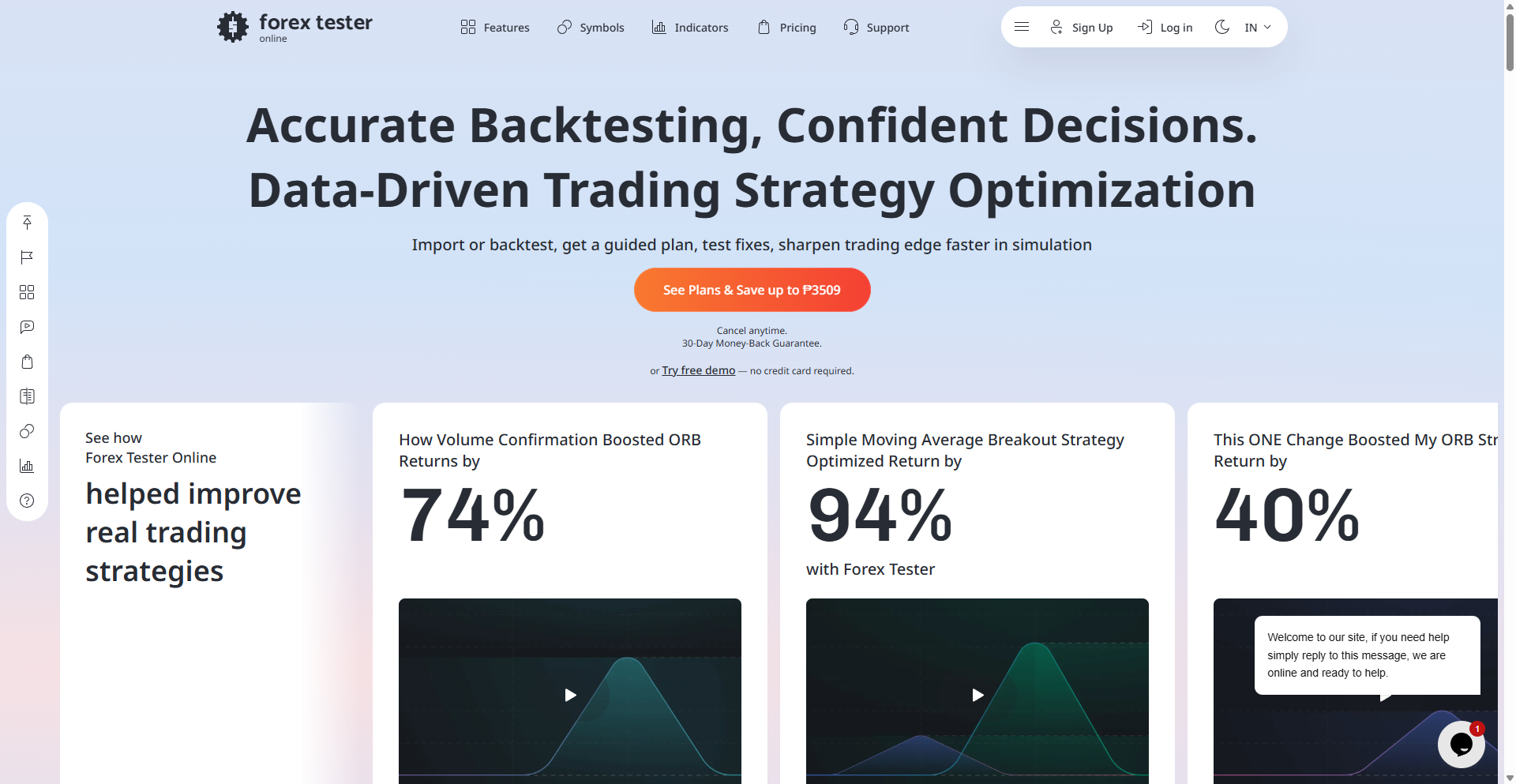
Backtesting is simply replaying the market as if it were happening live, but without the consequences. You scroll bar by bar, look for your setup, take the trade, log the result, and repeat.
It’s not guessing.
It’s not gambling.
It’s structured, controlled skill development.
Think of it like a flight simulator.
Pilots don’t learn in the real sky.
They learn in controlled environments, repeat the same scenarios, refine reactions, and only then fly real passengers.
Trading should be no different.
If you want to build real, repeatable skill, you must test your strategy over dozens - eventually hundreds - of trades.
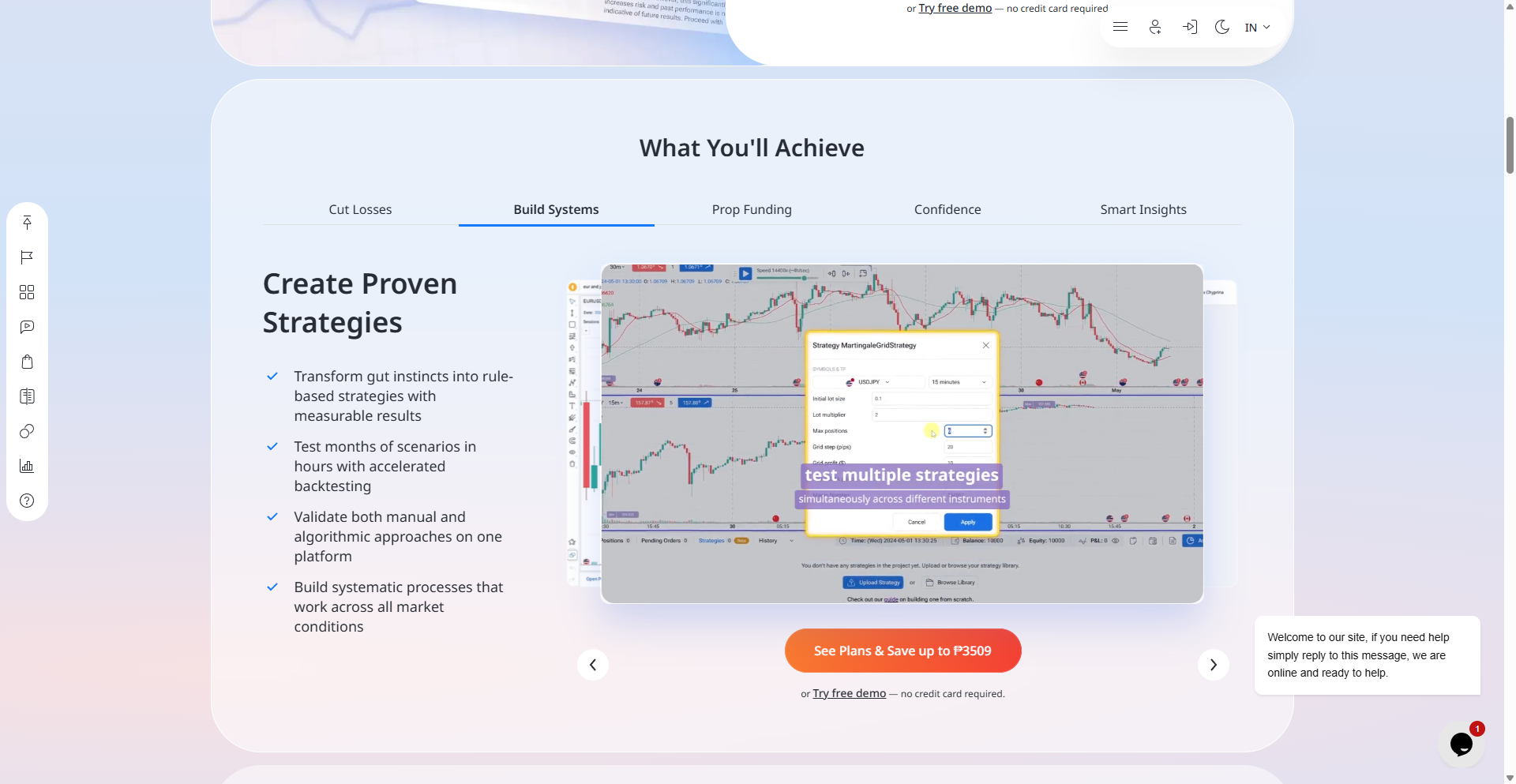
Everything you practiced from earlier modules comes together here - price action, candlesticks, key levels, clean charts, and one market you chose. If your foundation feels shaky, revisit the guides on learning trading from scratch and choosing one setup to master.
Backtesting is where those ideas become muscle memory.

Most traders complicate backtesting like it’s an exam.
It isn’t.
It’s repetition, pattern recognition, and recording outcomes.
Let’s break it down.
If you’re testing multiple strategies, you’re not backtesting - you’re experimenting blindly.
Stick to one:
If you need structured guides, the Forex Trading Strategy for Beginners article is a great reference for simple setups to test. Check also: Beginner Trading Strategy: How to Choose One Setup and Commit
Backtesting EURUSD and NAS100 and XAUUSD all at once will scatter your learning curve.
Backtest the market you picked in Module 3:
If you’re unsure which fits your psychology, revisit Choosing Your Trading Market.
If there’s one investment that pays for itself faster than anything else, it’s backtesting software.
You’re not scrolling TradingView.
You’re replaying price like a live market.
This is why traders rely on Forex Tester for speed, control, and realism.
It’s the closest thing to real experience without risking a cent.
The goal isn’t to “find trades.”
The goal is to see whether your rules hold up.
Write them like this:
This aligns well with the confirmation logic taught in The Confirmation Model (OB + FVG + Liquidity Sweep).
If you look ahead, you cheat the process.
If you cheat, you lose the benefit.
Scroll one bar at a time.
Watch the structure build.
Wait for your setup.
Execute the trade.
Log the result.
This is how your brain starts seeing patterns before they fully form - something live traders deeply rely on.
Your log should include:
Data matters, but patterns in your mistakes matter more.
You don’t need complicated metrics.
Track these:
Do you win enough times to trust your setup?
A 40% win rate with 2R or 3R targets is profitable.
How much do you lose during a bad streak?
Average R profit per trade.
If these terms confuse you, the Risk Management Compilation Guide breaks them down in detail.
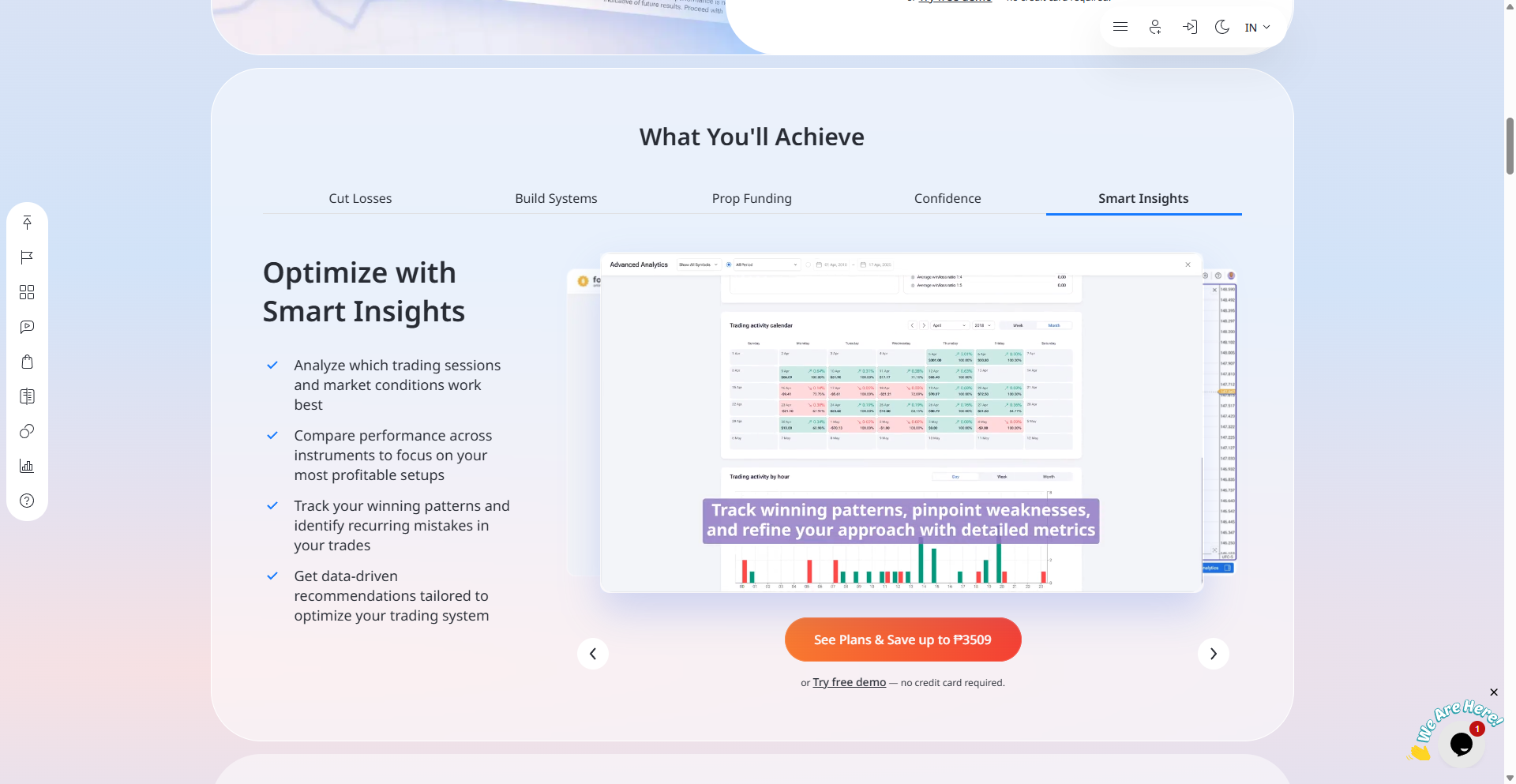
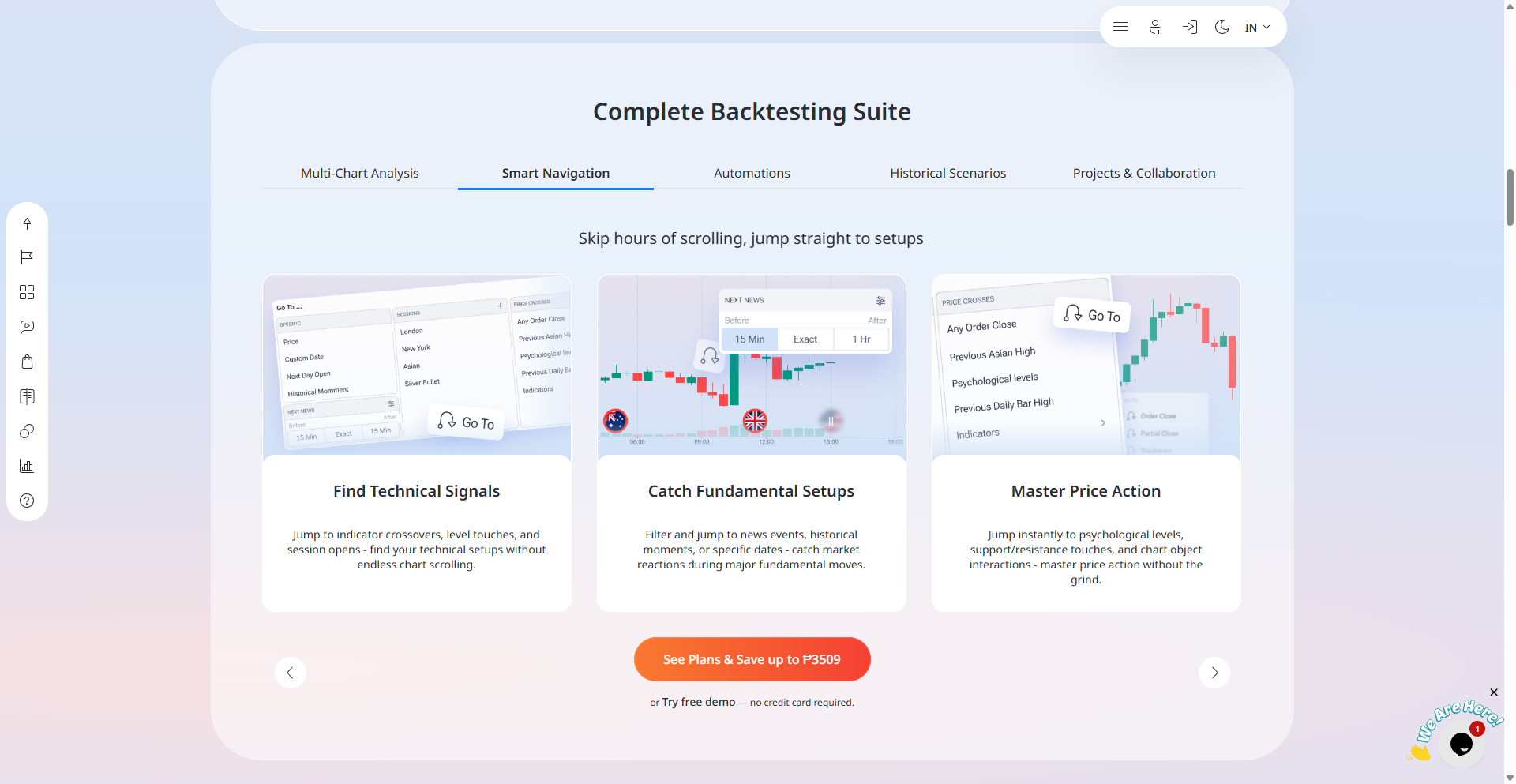
When you’ve executed your strategy 50, 100, or 200 times, something strange happens:
Because you have proof.
Not belief - data.
This is why even advanced traders rely on backtesting frameworks like Proving Your Edge: Backtesting Without Bias.
Don’t stop at 10.
50 reveals patterns you can trust.
You’ll notice:
Your checklist eliminates the mistakes that cost you money.
Pair this with the clarity you gained from Mastering Price Action at Key Levels and your strategy becomes tight, repeatable, and consistent.

If you skip backtesting, you trade with hope.
If you commit to backtesting, you trade with confidence.
One creates emotional chaos.
The other creates consistency.
This is the only “shortcut” that actually works - because it compresses years of experience into days or weeks.
Do the reps.
Build the data.
Remove the guesswork.
Your discipline, timing, and precision all start here.
A minimum of 50 trades is enough to see early patterns, but real confidence usually appears around 100–200 recorded trades. This is when you’ll start recognizing setups instantly and understanding how they behave across different sessions and conditions. If you want a faster workflow, the Forex Tester tool gives you real-time replay speed.
Backtest the same market you committed to in Module 3 - Forex, Gold, or Indices. If you’re unsure, revisit Choosing Your Trading Market to align the market with your schedule and personality. Backtesting multiple markets at once splits your learning curve and slows mastery.
Your results are realistic if they follow the same structure you’d use live:
Avoid hindsight bias by scrolling one candle at a time, not jumping ahead. The method explained in Proving Your Edge: Backtesting Without Bias can help prevent overfitting and unrealistic expectations.
Good - that means you caught weaknesses early without losing money.
Adjust one variable at a time: entry timing, R:R, session, or confirmation. Analyze whether losses came from strategy flaws or execution mistakes. Combine this with risk concepts from the Ultimate Guide to Risk Management to refine your rules before trading live.
It’s time to go from theory to execution!
Create an Account. Start Your Live Trading Now!
Looking for step-by-step approaches you can plug straight into the charts? Start here:
Sharpen your edge with proven tools and frameworks:
News moves markets fast. Learn how to keep pace with SMC-based playbooks:
From NASDAQ opens to DAX trends, here’s how to approach indices like a pro:
Gold remains one of the most traded assets - here’s how to approach it with confidence:
Candlesticks are the building blocks of price action. Master the most powerful ones:
Ready to go intraday? Here’s how to build consistency step by step:
Markets swing between calm and chaos. Learn to read risk-on vs risk-off like a pro:
Step inside the playbook of institutional traders with SMC concepts explained:
Forex pairs aren’t created equal - some are stable, some are volatile, others tied to commodities or sessions.
If you’ve ever been stopped out right before the market reverses - this is why:
Mindset is the deciding factor between growth and blowups. Explore these essentials:
The real edge in trading isn’t strategy - it’s how you protect your capital:
If you’re not sure where to start, follow this roadmap:
This way, you’ll grow from foundation → application → mastery, instead of jumping around randomly.
Follow me for more daily market insights!
Jasper Osita - LinkedIn - FXStreet - YouTube
This content may have been written by a third party. ACY makes no representation or warranty and assumes no liability as to the accuracy or completeness of the information provided, nor any loss arising from any investment based on a recommendation, forecast or other information supplies by any third-party. This content is information only, and does not constitute financial, investment or other advice on which you can rely.
ACY Securities is one of Australia's fastest growing multi-asset online trading providers, offering ultra-low-cost trading, rock-solid execution, technologically superior account management and premium market analysis.

Select the categories and companies you wish to follow directly to your person rss feed.
Create Custom RSS FeedSign up and join over 5,000 professional members who receive personalized news alerts, curated professional connections, and more for free!
Multi-asset trading broker AvaTrade has agreed to acquire the majority of FXCM Group’s business and brand, in a transaction that would bring a longstanding retail FX franchise into the AvaTrade Group.
LSEG and CMC Markets have signed a multi-year strategic data agreement expanding CMC's access to LSEG's real-time and delayed pricing, reference and corporate actions data, news and analytics, plus AI-ready content, to support new products, entry into new markets and the growth of CMC's institutional and B2B partnerships.
The Tel Aviv Stock Exchange is considering a bid for the Cyprus Stock Exchange, with Israeli media citing its EU licence, trading platform and clearing house. Euronext’s Athens exchange and India’s National Stock Exchange are also seen as contenders, and Cyprus aims to sign a sale agreement by the end of this year.
CME Group will launch baseball futures on 12 October, pending regulatory review, tracking CME FutureSports Performance Indexes built on Official League Data. Standard and micro contracts will start with the 2026 Postseason and the four clubs in the League Championship Series, trading around the clock.
ESMA has published an opinion stating that MiCA-authorised crypto-asset service providers should cease services tied to non-MiCA-compliant stablecoins for EU clients across MiCA crypto-asset services. National authorities should require remediation of existing exposures within three months, by early January 2027.
Nasdaq Ventures has made a strategic investment in Amsterdam-based derivatives and crypto exchange One Trading, with both firms to explore 24/7 trading of equity futures. The undisclosed investment follows Nasdaq's US$100 million investment in Payward, the parent of Kraken, and CME Group's move to 24/7 trading.
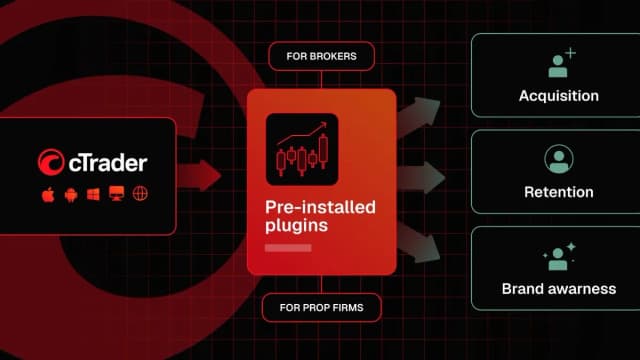
cTrader has opened multi-platform plugins to brokers and prop firms, which can pre-install their own tools for clients or list them in cTrader Store. The plugins run across Mobile, Web, Windows and Mac, and can be built and launched independently of core-platform releases, including trading journals and calculators.
Institutional brokerage and financial infrastructure provider Clear Street has joined TradingView’s broker network, allowing its clients to trade US stocks, exchange-traded funds and options directly through the charting and analysis platform.
Learn how to improve trading psychology, manage fear and greed, avoid revenge trading, and follow your trading strategy with discipline and a trading journal.
GTC Prime has announced a strategic partnership with Centroid Solutions to manage and distribute its liquidity through CS 360 Bridge, Centroid's multi-asset connectivity and execution engine, giving brokers and institutional clients access to tailor-made pricing, low-latency execution and real-time risk management.