just now


Liquidity Finder Ltd is incorporated in England and Wales, company number 10610740, registered address 167-169 Great Portland Street, Fifth Floor, London W1W 5PF, United Kingdom.
Published: just now

Markets were jolted midweek by a sudden political shock: reports emerged that President Trump considered firing Federal Reserve Chair Jerome Powell.
Although the White House quickly walked back on this narrative, the damage was already done yield curves steepened, equities dipped, and the dollar took a sharp hit before partially recovering.
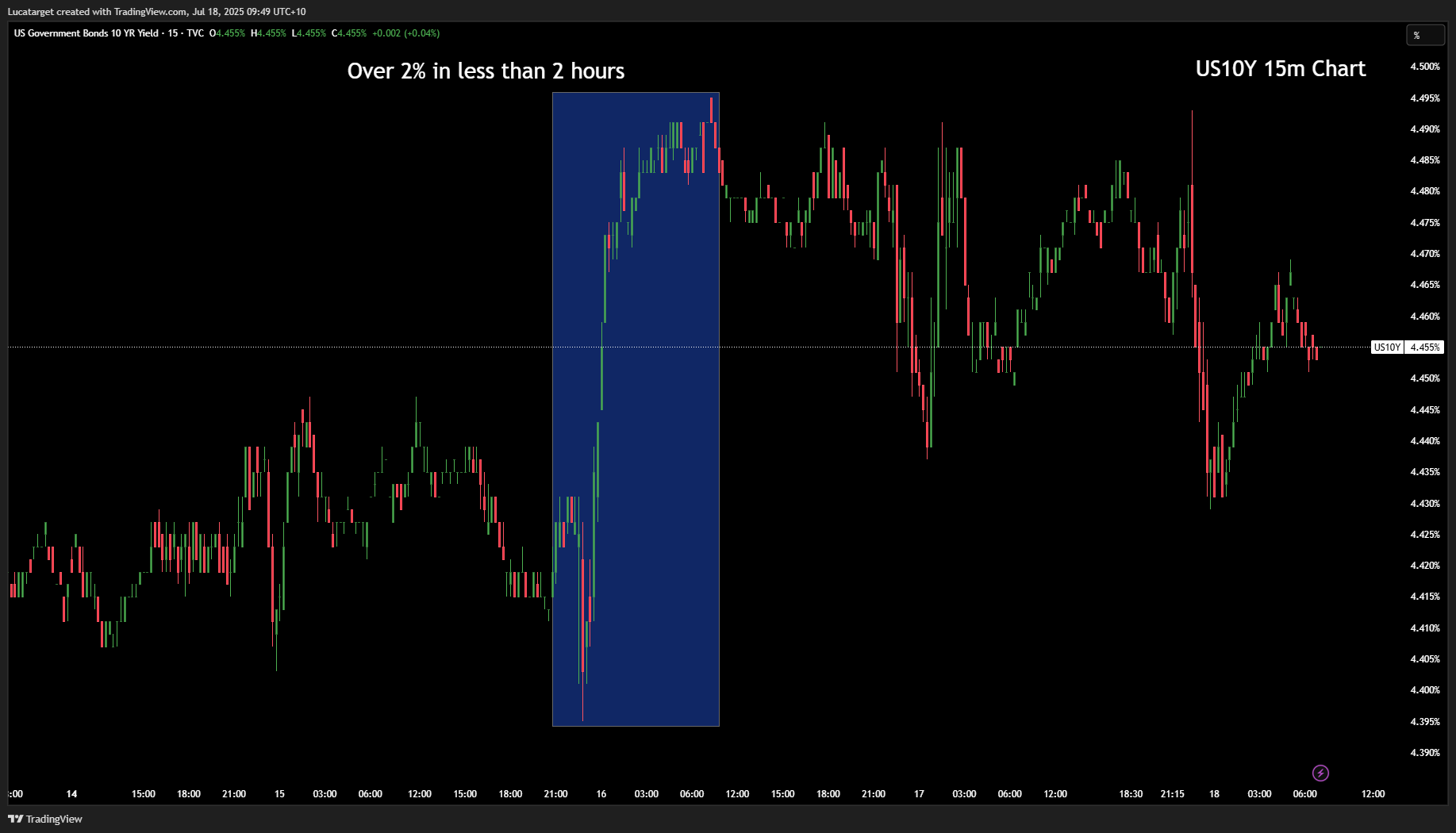
This episode serves as a stark reminder that political interference in monetary policy remains a real risk to the Fed's independence, and by extension, to USD stability.
But Thursday opened with calmer markets, and the dollar regained some ground, bolstered by cross-asset stabilization and cautious optimism ahead of U.S. economic data.
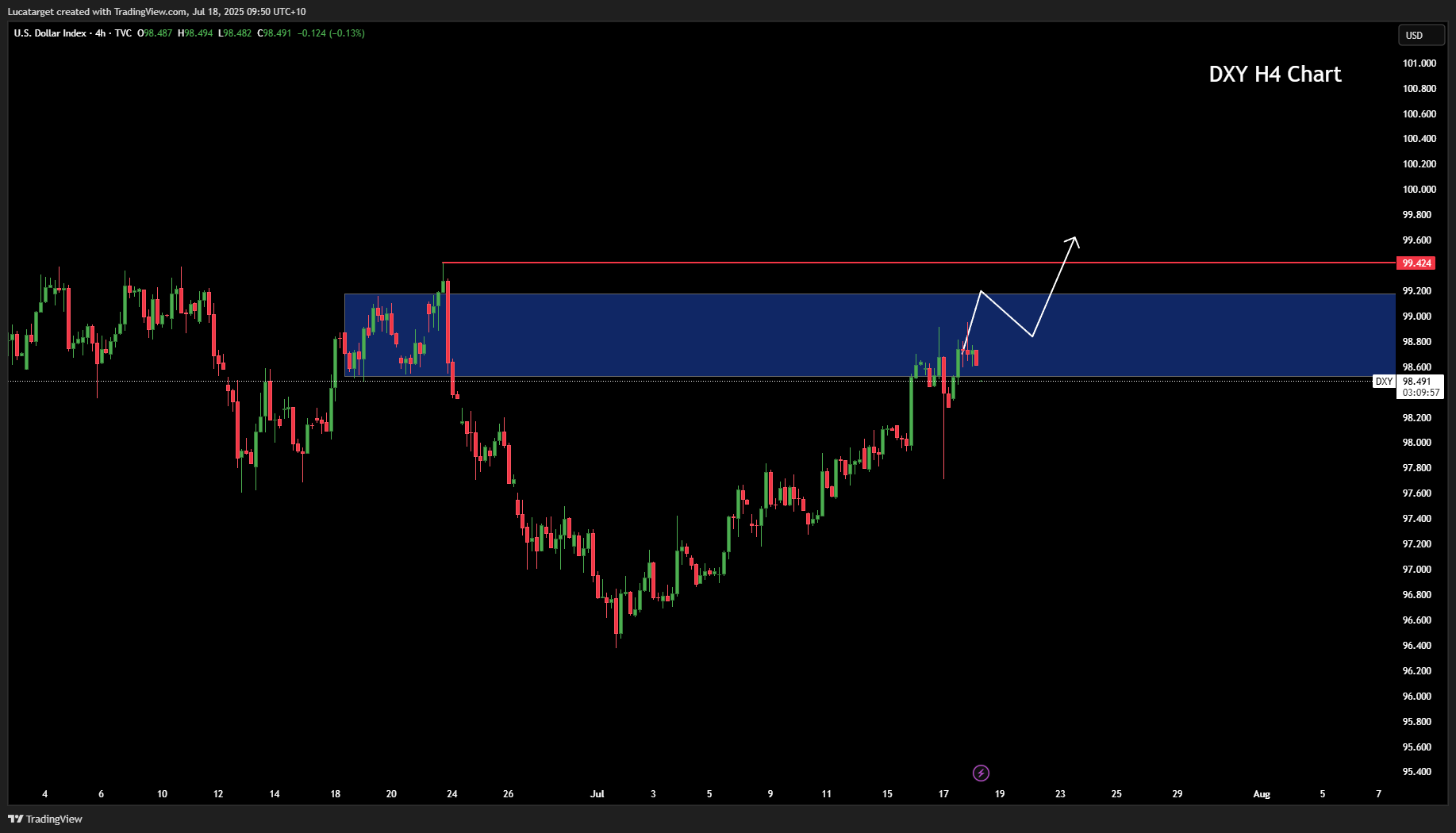
Even though Powell’s dismissal remains speculative, the incident underscored a broader risk premium markets may begin to price into the dollar: institutional independence under strain.
The widening of U.S. inflation expectations and a steeper yield curve suggest that the market is already adjusting to this possibility.
If political influence becomes a recurring theme, the USD could face more structural headwinds over the coming months.
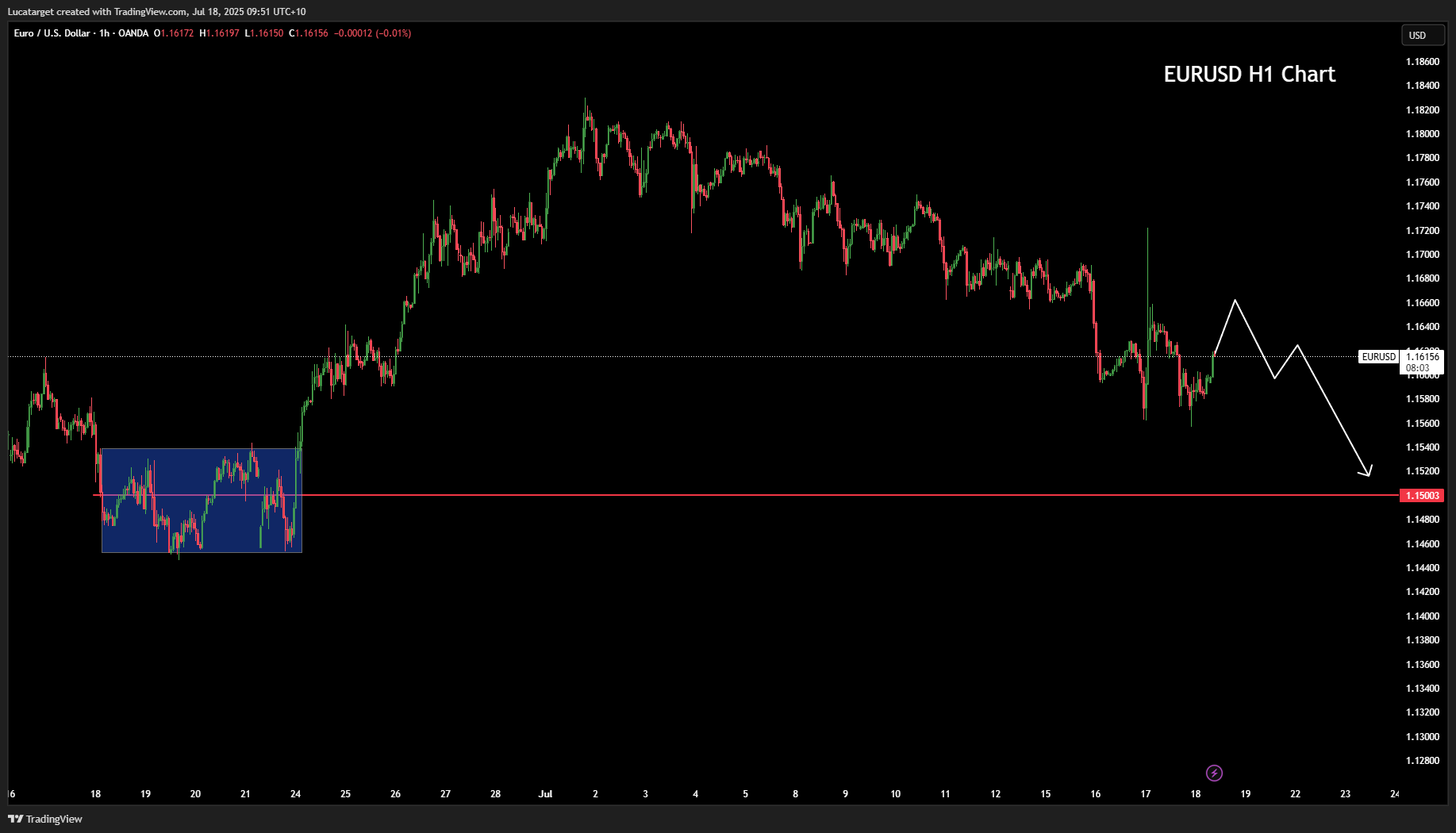
The euro came under pressure, even as eurozone inflation figures confirmed earlier estimates, holding steady at 2.0% year-over-year.
The real drag, however, appears to be the persistent lack of progress on EU-U.S. trade negotiations. With Brussels signaling readiness to counter U.S. tech interests via taxation and investment curbs, geopolitical friction could weigh on EUR sentiment.
Despite that, expectations of an ECB rate hold continue to anchor support in the medium term.
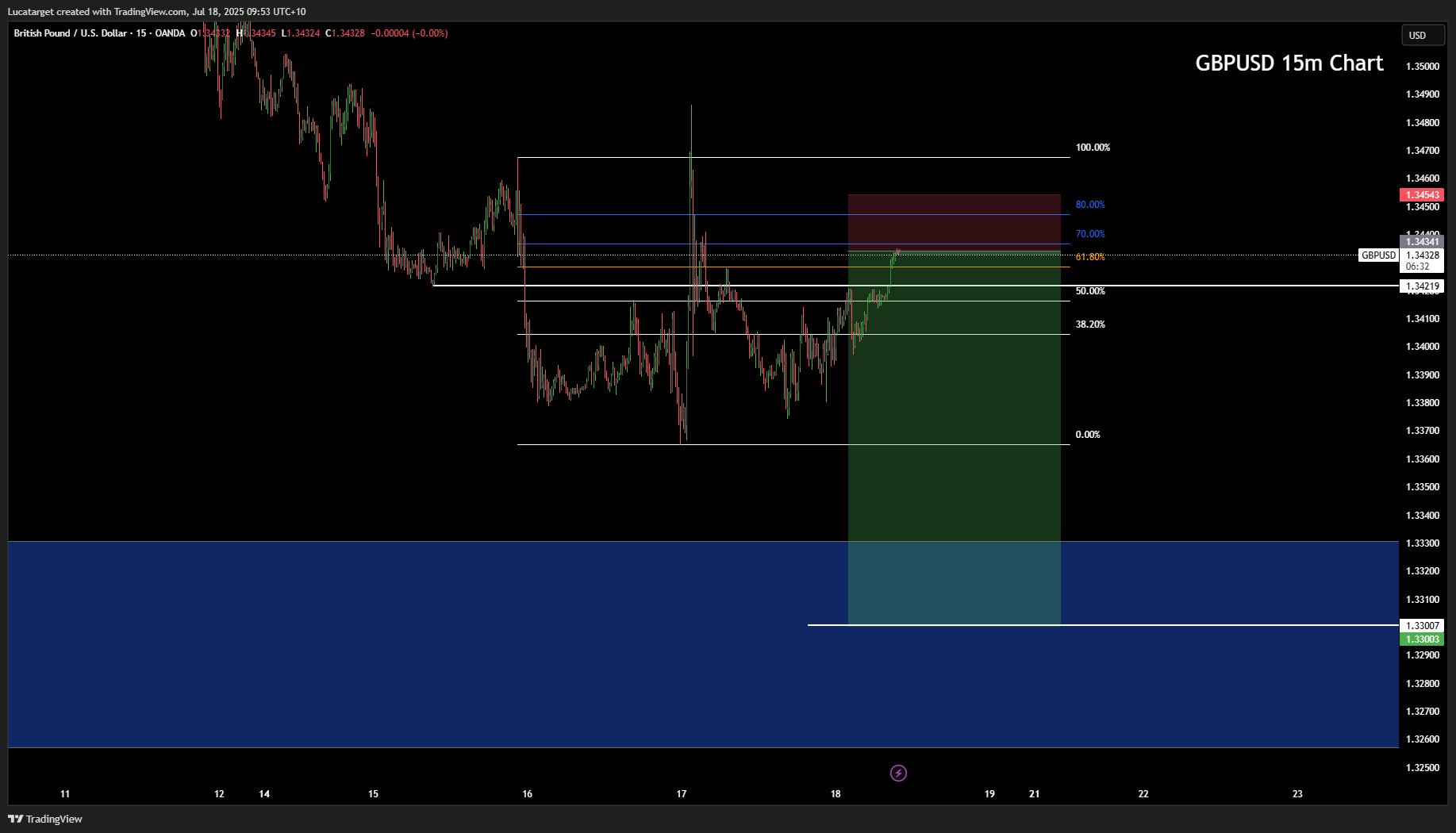
Sterling outperformed its G10 peers after stronger-than-expected U.K. labor data, particularly wage growth. This comes as a relief for the Bank of England, which has cited employment trends as central to its policy direction.
Markets are now less convinced that rate cuts will materialize in the short term, offering support to the pound. However, technical indicators suggest caution: the pair has broken below key moving averages, indicating that downside risks remain.
The Canadian dollar declined, driven less by domestic developments and more by a resurgent greenback. U.S. dollar strength overshadowed narrowing U.S.-Canada rate differentials, despite the two-year yield spread favoring CAD more than it has since December.
Fair value estimates continue to point toward a slightly stronger loonie, but momentum in the USD remains the overriding force for now.
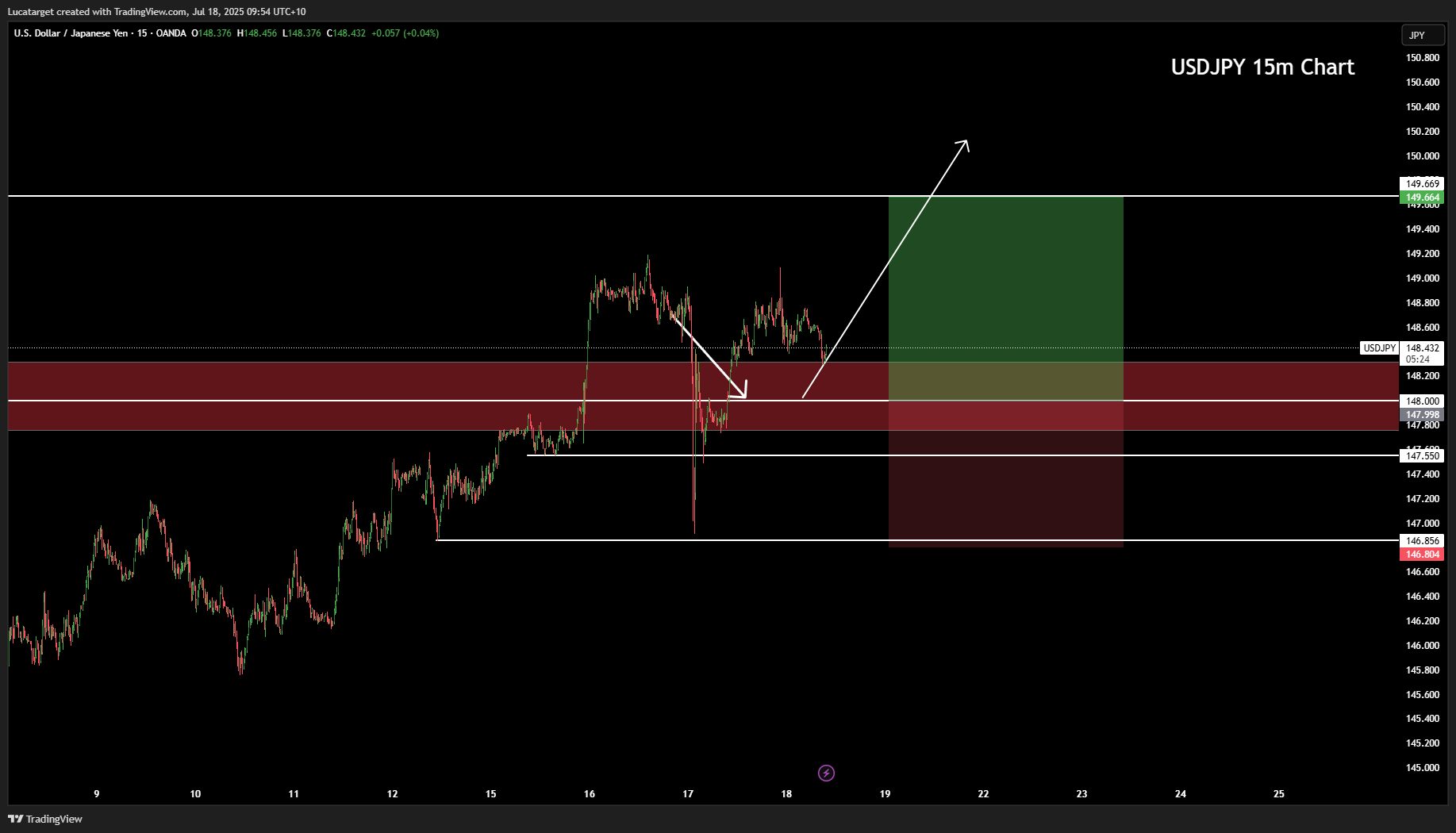
The yen lagged as Japan posted weak trade data and braced for upper house elections. An unexpected drop in exports added to economic uncertainty, while local banks expressed concern over sovereign credit ratings.
With the options market showing reduced demand for JPY downside protection, short-term risks appear skewed to further weakness. All eyes are now on upcoming CPI data, which may offer clarity on the BoJ’s next steps.
Australian job numbers disappointed, reviving speculation of a potential RBA rate cut next month. This sent the Aussie nearly 1% lower, marking it as the worst-performing G10 currency on the day.
As domestic growth prospects dim, and external headwinds from China persist, the AUD may continue to struggle without a material shift in economic momentum.

Markets remain sensitive to any signs of political overreach into central bank independence. As long as this remains a live issue, the dollar may trade with elevated volatility and reduced conviction, even amid supportive data.
Meanwhile, currency-specific narratives are diverging. While some economies are anchored by labor resilience (U.K.), others face downside risks from external trade disputes (EU) or domestic softness (Australia, Japan). The interplay between monetary policy credibility and geopolitical friction will likely define near-term currency performance.
Q: Why did the USD initially fall and then rebound this week?
A: The dollar came under pressure after reports suggested President Trump considered firing Fed Chair Powell raising fears over central bank independence. However, markets stabilized after the White House denied the move, and the USD rebounded as traders refocused on fundamentals like inflation swaps and Treasury yields.
Q: What’s weighing on the euro despite steady inflation?
A: Even though eurozone CPI came in as expected at 2.0%, the euro weakened due to stalled progress in EU-U.S. trade talks. The EU’s potential retaliatory measures against U.S. tech companies have raised geopolitical tension, dampening investor appetite for EUR exposure.
Q: How did U.K. labor data impact the pound?
A: Positive surprises in wage growth and job creation helped the pound outperform peers. While markets still expect one rate cut from the BoE by year-end, the stronger labor report has softened near-term easing expectations, offering support to GBP.
Q: What explains the Canadian dollar's underperformance?
A: The loonie slipped primarily due to broad USD strength. This happened despite narrowing U.S.-Canada yield spreads, which typically support CAD. Fair value models still suggest the CAD is undervalued, but momentum remains USD-driven for now.
Q: Why is the Japanese yen under pressure ahead of the weekend?
A: Weak trade data, credit rating concerns, and uncertainty surrounding the upper house elections are all weighing on JPY. The market is also anticipating softer CPI data, and with little demand for downside protection in options markets, JPY remains vulnerable in the short term.
This content may have been written by a third party. ACY makes no representation or warranty and assumes no liability as to the accuracy or completeness of the information provided, nor any loss arising from any investment based on a recommendation, forecast or other information supplies by any third-party. This content is information only, and does not constitute financial, investment or other advice on which you can rely.
ACY Securities is one of Australia's fastest growing multi-asset online trading providers, offering ultra-low-cost trading, rock-solid execution, technologically superior account management and premium market analysis.

Select the categories and companies you wish to follow directly to your person rss feed.
Create Custom RSS FeedSign up and join over 5,000 professional members who receive personalized news alerts, curated professional connections, and more for free!
Bybit has launched Perp Options, described as the first options contracts built on TradFi perpetuals, giving traders round-the-clock access to US equity options. SpaceX and Nvidia are the first underlying assets, with USDT settlement and integration into Bybit's Unified Trading Account.
Use this trading preparation checklist to plan your session, define entry rules, manage risk, and build a disciplined trading routine in seven steps.
Your Bourse expands its crypto liquidity ecosystem with Caladan, giving brokers access to broader market coverage, institutional execution capacity and streamlined settlement.
Scope Markets, the retail brokerage part of Rostro Group, has appointed Ibrahim Hossny as Head of Research and Marketing for the Middle East and North Africa.
Hantec Prime, the institutional division of Hantec Markets, has reported trading volume up more than 300% year-to-date, alongside the addition of 42 new institutional clients since December, capping one of its strongest years of growth to date.
Learn how to refine XAUUSD support and resistance on the daily chart using candle bodies, market structure and weekly gold levels for swing trading. A slug alone cannot guarantee a top Google ranking. Keep it focused rather than adding every supporting keyword.
The week in Dubai will be focused on connecting directly with the industry and discussing how technology can help modern brokerages simplify operations, automate workflows, strengthen operational control, and scale efficiently.
Devexperts has launched a turnkey solution giving brokers in South Korea access to US equity markets, combining its DXtrade trading platform, dxFeed market data, and execution services. The offering targets South Korea's growing retail demand for US stocks, worth several billion USD monthly.
Assess why WTI crude oil surged past $105 per barrel amid Saudi pipeline disruptions, record tanker charter rates, and escalating geopolitical tensions.
Bitcoin price forecast: BTC/USD retests $78,460–$80,215 resistance. Watch bearish confirmation toward $72,480 or a bullish breakout toward $86,150.