
just now


Liquidity Finder Ltd is incorporated in England and Wales, company number 10610740, registered address 167-169 Great Portland Street, Fifth Floor, London W1W 5PF, United Kingdom.
Published: just now

I’ve been following the U.S. inflation picture closely, and tonight’s CPI release feels like one of those events that could set the tone for the rest of the month.
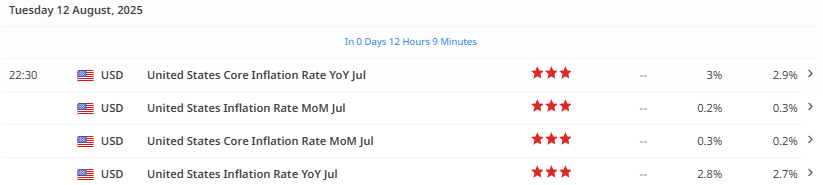
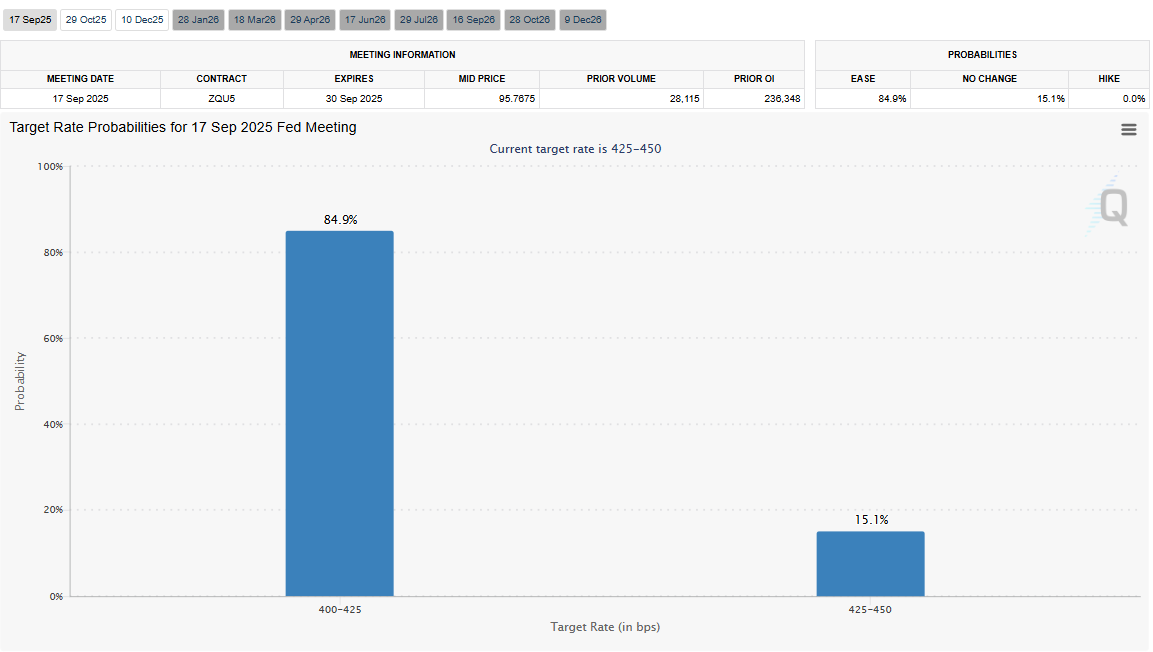
The market has already built a strong dovish bias into September, with rate cut expectations running high. That makes the setup particularly interesting because it leaves the dollar vulnerable to any upside surprise in the data.
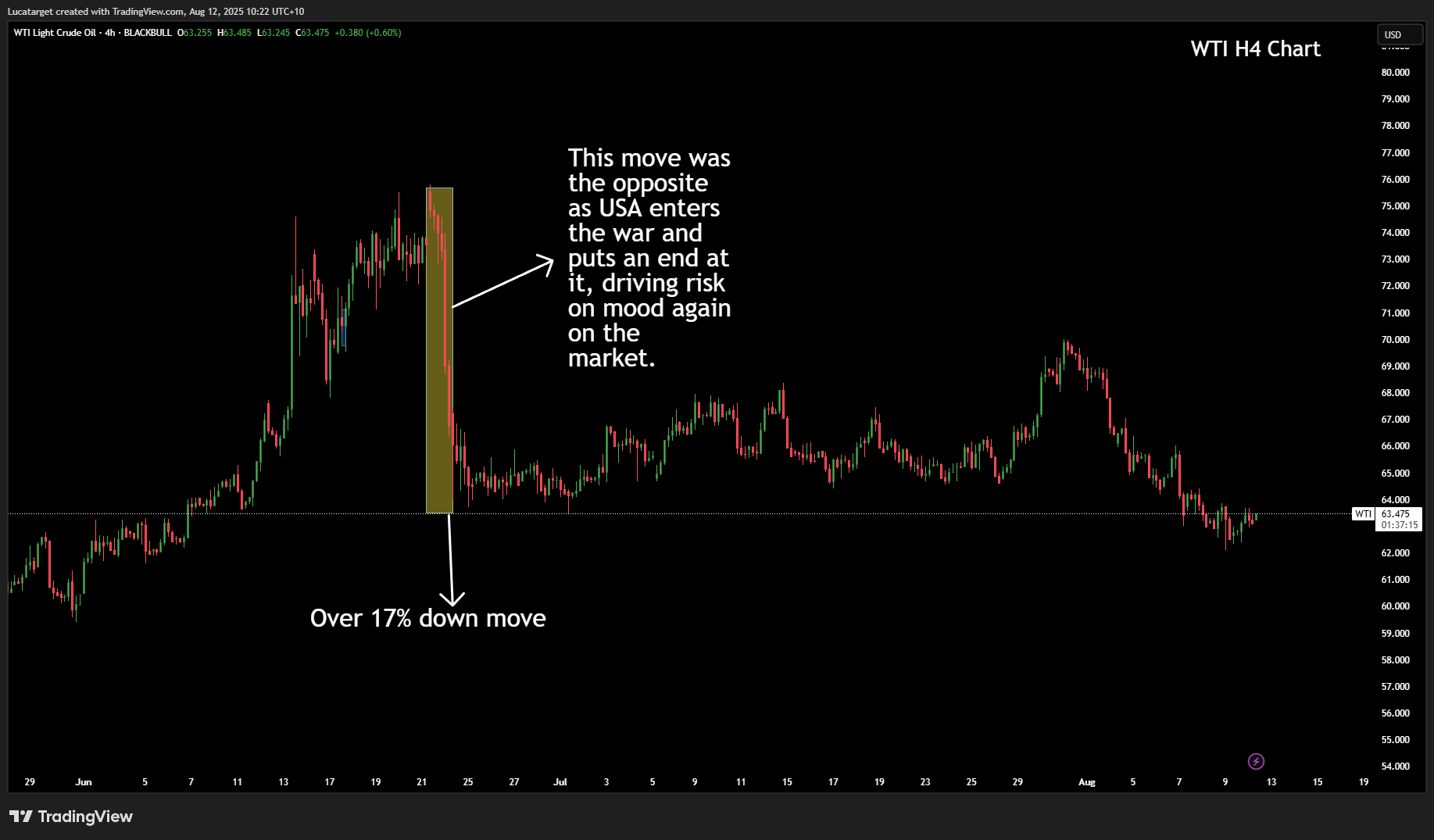
My focus is on the gap between headline and core CPI. Headline inflation should get some relief from the recent decline in oil prices, but core remains sticky.
The consensus is pointing to around 3.1% year-on-year for core, with a monthly increase of about 0.3%. If those numbers come through, it would mark the firmest monthly core reading in roughly six months, suggesting that price pressures are far from fully under control!!! And this owuld reprice the CME FedWatch Tool and from there we would have a stronger USD.
Within the details, I’m watching shelter costs closely. Rent and owners’ equivalent rent have been slow to ease, and I don’t expect a meaningful drop until later this year.
The autos sector is another area worth noting. Used car prices have been slipping in wholesale markets, but that moderation has yet to fully feed into CPI.
Meanwhile, auto insurance premiums remain elevated, driven in part by higher repair costs and tariffs on imported parts. These elements create a stubborn floor under services inflation.
Energy prices, particularly Brent crude, have been softening, which could help the headline number look more benign. But this is unlikely to offset sticky services inflation enough to give the Fed a clear green light for aggressive cuts.
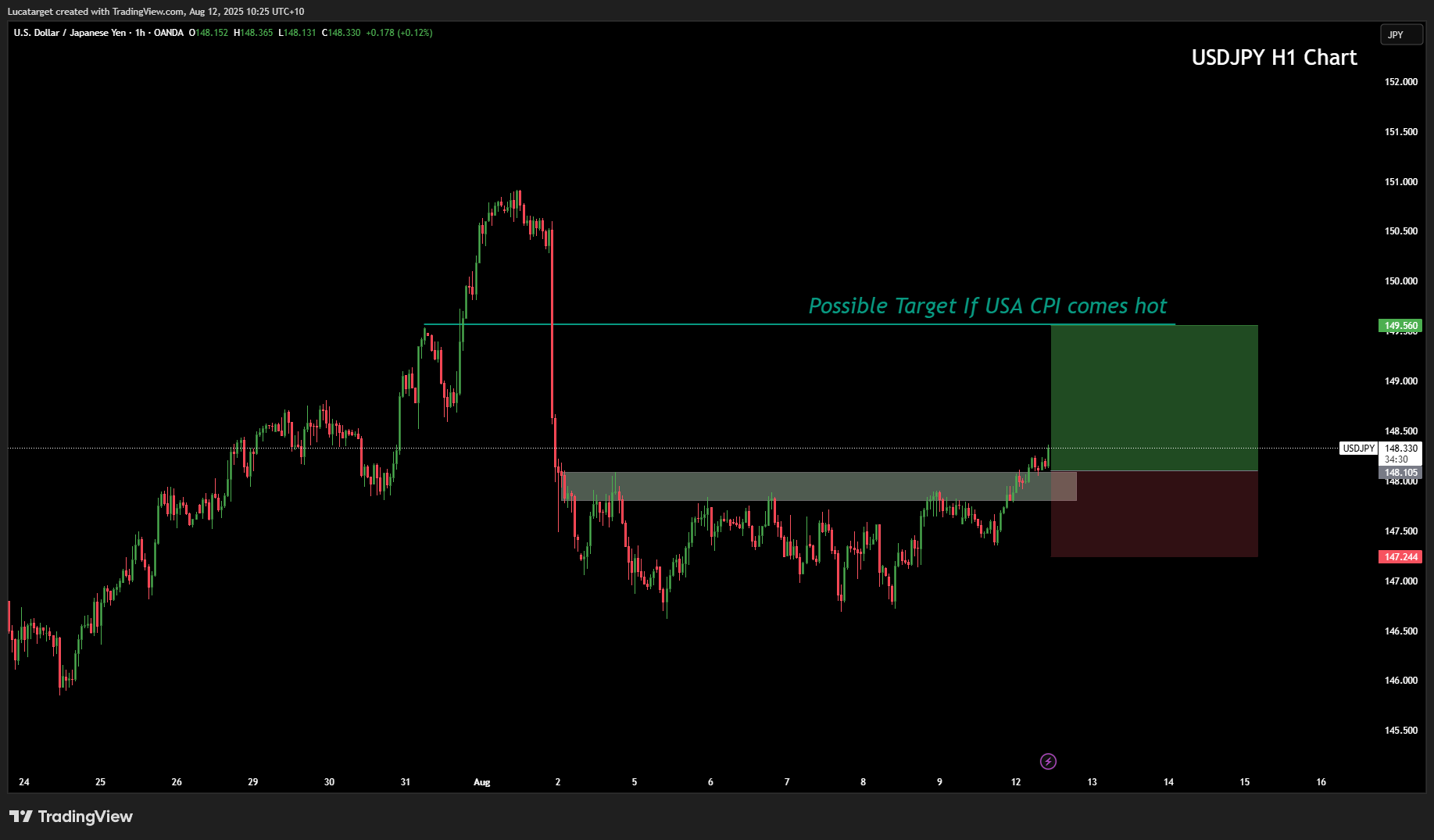
If core CPI runs at or above expectations, I think we could see a quick repricing in U.S. yields and a corresponding lift in the dollar, especially against the yen. On the other hand, a downside surprise would reinforce the market’s dovish lean, sending the dollar lower and boosting risk-sensitive currencies like the Australian dollar.
Going into the release, I’m keeping position sizes small and leaning on optionality where possible. A hot print could justify short-term long positions in USDJPY, while a soft print would make me more inclined to buy EURUSD or sell USDCHF.
In both scenarios, I’ll be paying close attention to how real yields react in the first minutes after the data hits, as that usually sets the tone for FX follow-through.
For now, it’s all about staying patient, letting the numbers speak, and being ready to adapt quickly once the picture becomes clear.
This CPI is not just about inflation it’s about the balance of risks for the Fed, the direction of yields, and ultimately, where the dollar goes next.
Q1: Why is tonight’s U.S. CPI release so important for the FX market?
Because the market is heavily priced for a September Fed rate cut, meaning any upside surprise in inflation could trigger a sharp reversal in expectations and a stronger U.S. dollar.
Q2: What’s the main difference between headline and core CPI?
Headline CPI includes all goods and services, including volatile items like food and energy. Core CPI excludes food and energy, providing a clearer view of underlying inflation trends.
Q3: Which components of CPI are likely to be most sticky this month?
Shelter costs, auto insurance premiums, and parts of the services sector are expected to remain elevated, limiting how quickly inflation can cool.
Q4: How could a stronger-than-expected CPI affect currency markets?
A hot CPI print could lift U.S. yields, pushing the dollar higher, particularly against lower-yielding currencies like the yen.
Q5: What’s the best trading approach ahead of a major release like CPI?
Keep position sizes small, stay flexible, and be ready to adapt once the data is released. Using options can help manage risk during volatile moves.
This content may have been written by a third party. ACY makes no representation or warranty and assumes no liability as to the accuracy or completeness of the information provided, nor any loss arising from any investment based on a recommendation, forecast or other information supplies by any third-party. This content is information only, and does not constitute financial, investment or other advice on which you can rely.
ACY Securities is one of Australia's fastest growing multi-asset online trading providers, offering ultra-low-cost trading, rock-solid execution, technologically superior account management and premium market analysis.

Select the categories and companies you wish to follow directly to your person rss feed.
Create Custom RSS Feed
just now
Sign up and join over 5,000 professional members who receive personalized news alerts, curated professional connections, and more for free!
Why did gold keep falling after reaching $3,880? See how a failed 4-hour retest confirmed weakness in XAUUSD and why $3,400 is the next weekly support to watch.
Reality television personality Aaron Chalmers and finfluencer Jason Agbodza have been fined after pleading guilty to illegally promoting an unauthorised foreign exchange trading scheme on social media.
UK retail sales rose a stronger-than-expected 0.7% in October, giving sterling some support, while a deepening tech sell-off pushed the dollar lower overnight against all major currencies. Thanim Islam, Head of FX Analysis at Equals, says the dollar remains in charge as the week ends, with the Fed expected to raise rates more than both the Bank of England and the ECB.
Nvidia beats expectations, reporting $115.8bn in revenue and raising its long-term growth outlook, but the stock still struggled to sustain its gains. AI remains fundamentally strong, but investor expectations are becoming more demanding, particularly around capex and profitability. Wall Street suffered a major sell-off, with the S&P 500 entering a six-session losing streak as rate concerns intensified.
iSAM Securities reviews the ris of weekend gold trading
Webull Corporation reported record third quarter 2026 revenue of $218.7 million, up 39% year-on-year, with customer assets reaching $32.4 billion and options contracts volume up 79%. Net income attributable to the company was $31.2 million, while margin debit balances passed $1 billion for the first time.
Anthropic, the company behind the Claude family of AI models, begins trading on the Nasdaq today under the ticker ANT. It priced its shares at $83 last night, above its marketed range of $70 to $78, and raised about $81.3 billion. That makes it the largest initial public offering on record, ahead of the roughly $75 billion SpaceX raised in June. This note covers what investors need to know: the terms, the business, how the company is governed, and what to watch.
Nvidia's first results without Jensen Huang answered the question that has hung over the AI trade since October. Revenue of $115.8 billion beat consensus by about $7 billion, fourth-quarter guidance of $130 billion came in roughly $5 billion above expectations, and the company raised its outlook for next fiscal year to around 75% growth. All of this assumes no data-centre sales to China.
Marex has entered the football financing market through a partnership with specialist sports investment and advisory firm Pinto Capital, targeting clubs in the Premier League and EFL Championship.
Around 110,000 UK retail investors have secured $300 million worth of Anthropic shares in its record-breaking $81 billion IPO. The heavily oversubscribed offer, coordinated by RetailBook, saw smaller investors prioritised, with 63% of applicants receiving their full allocation.