just now


Liquidity Finder Ltd is incorporated in England and Wales, company number 10610740, registered address 167-169 Great Portland Street, Fifth Floor, London W1W 5PF, United Kingdom.
Published: just now

I’m starting the week with a simple framework: separate what moves the policy path from what merely stirs positioning.
With Jackson Hole running 21–23 August and the Fed’s communication cadence back in focus, I expect optionality to be the Chair’s core message, acknowledging patchy disinflation while keeping the glide path to easing intact. That nuance matters for FX: it tempers conviction more than it flips direction.
Front-end US rates have consolidated after the recent run of mixed data. The growth narrative is no longer one-way; the labour market is cooler at the margin while goods disinflation is uneven.
Markets still lean toward another cut resuming as early as September, but the bigger swing factor is guidance tone, does the Fed validate near-term easing or defer timing to keep leverage on incoming data?
Volatility remains compressed across G10. In low-vol regimes, high-beta FX typically outperforms unless there’s an exogenous shock.
A credible geopolitical de-escalation would reinforce that pattern; conversely, any policy pushback from the Fed would lift USD tactically by squeezing shorts. This aligns with the latest street colour that FX vol is hovering near its lowest in a year and that Jackson Hole is the near-term catalyst rather than a destination.
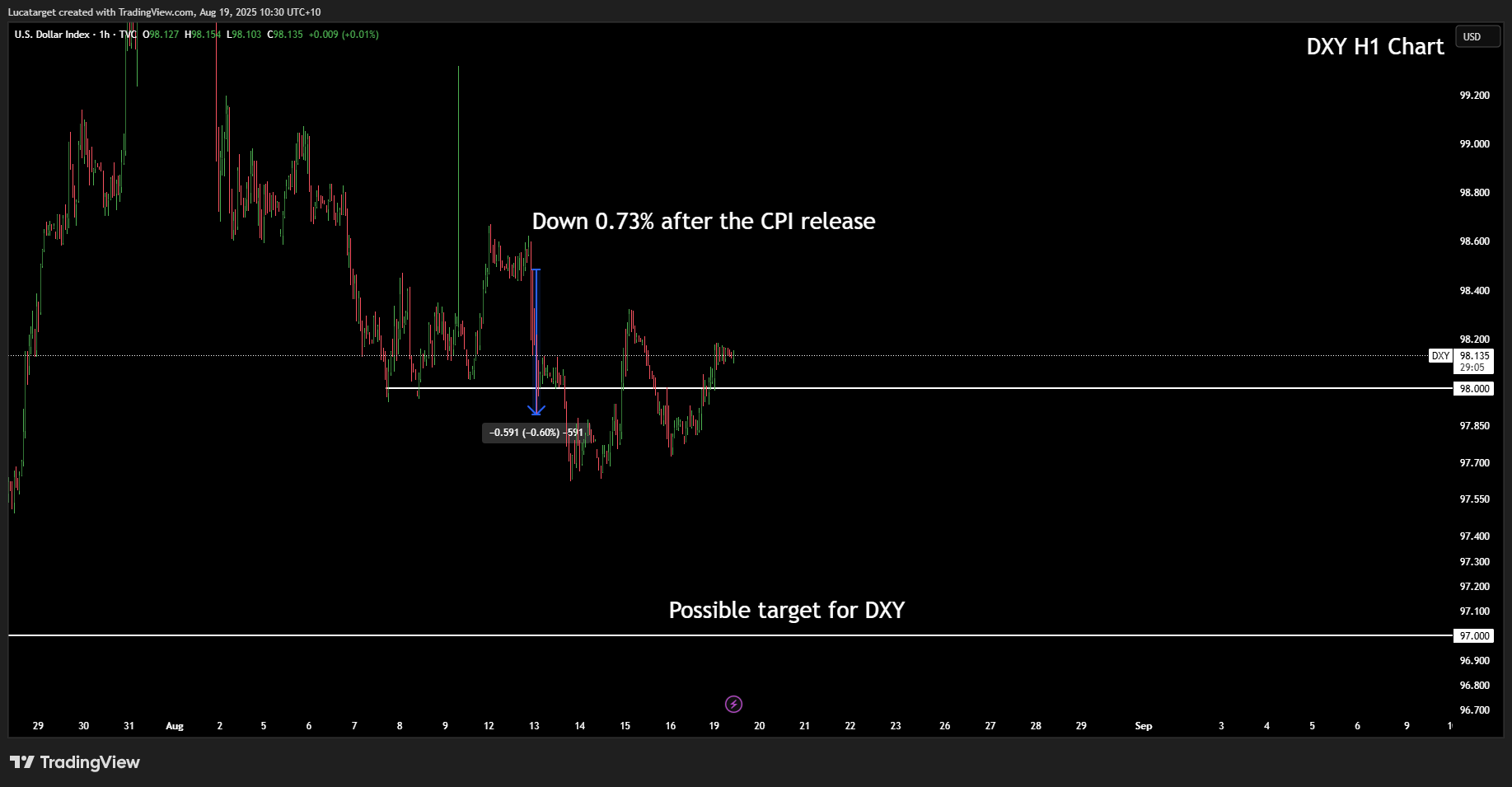
USD (DXY): The dollar’s slide stalled as participants priced a “cuts-resume-but-not-rushed” path. Into Jackson Hole, I’m respecting two-way risk: a measured Powell keeps USD range-bound; overt pushback on September pricing would lift USD via the front end. My bias: fade extremes rather than chase mid-range moves.
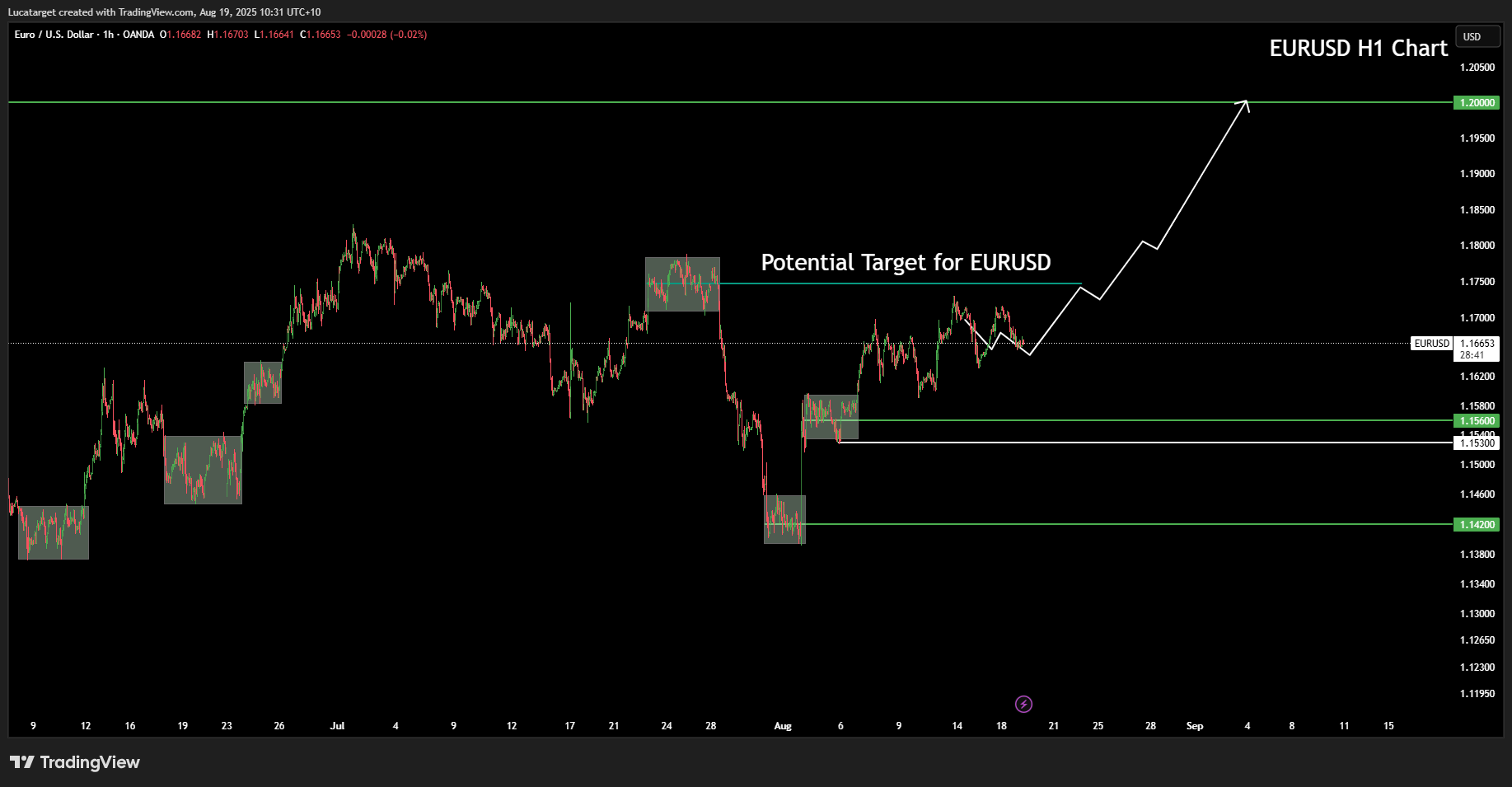
EUR: Macro momentum is stabilising but still lacks a clean impulse. If the Fed leans cautious while the ECB stays patient, EURUSD can grind higher, but I only upgrade conviction if US real yields soften further. I prefer expressing euro resilience on crosses (e.g., vs. CHF) when rate-vol is subdued.
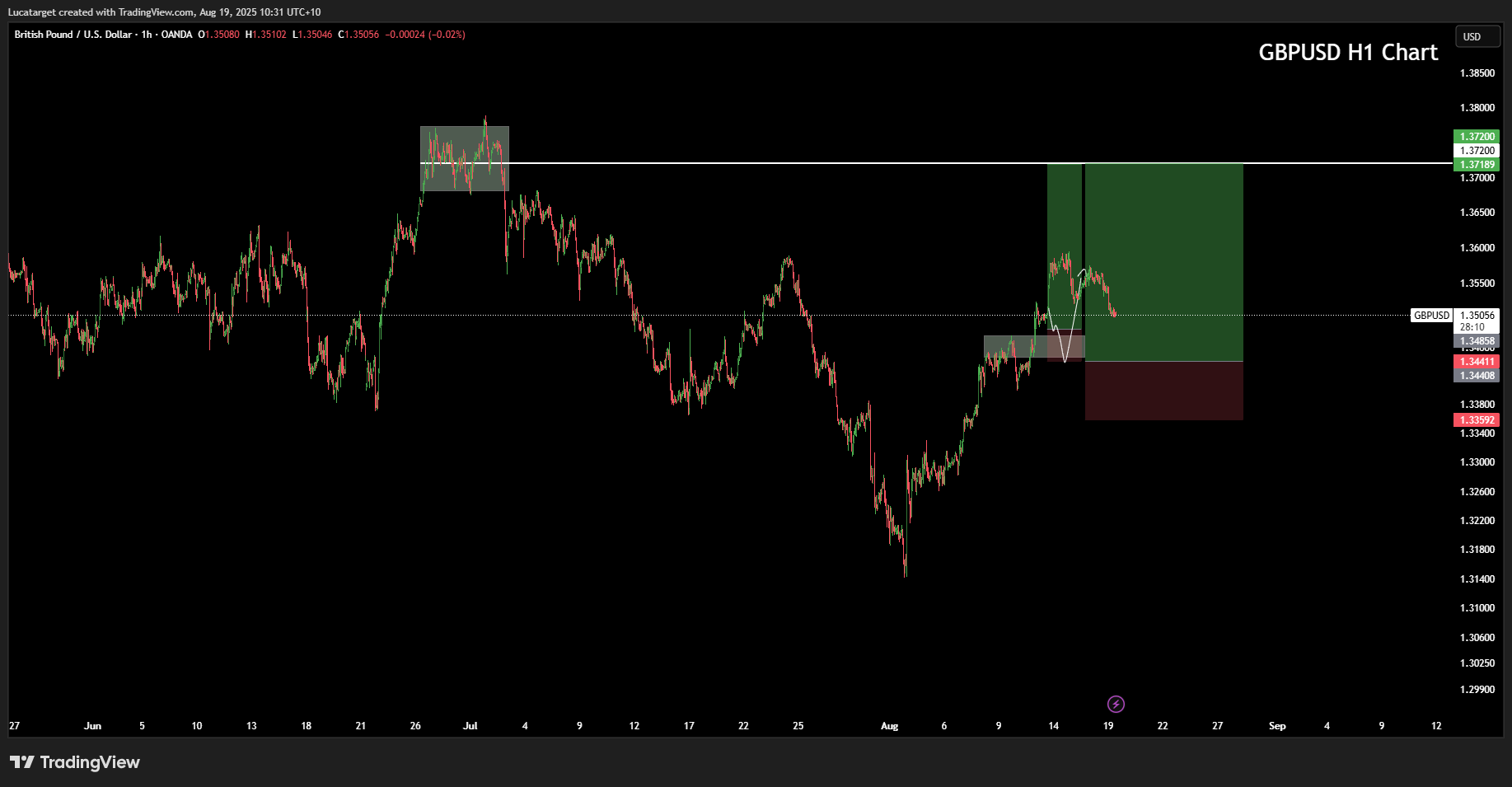
GBP: UK growth is uneven and wage disinflation is slow. Sterling remains a carry-plus-idiosyncratic story: supportive on dips, but sensitive to any re-steepening in the UK curve. I’m selective, prefer GBP on crosses where domestic risks are already priced.
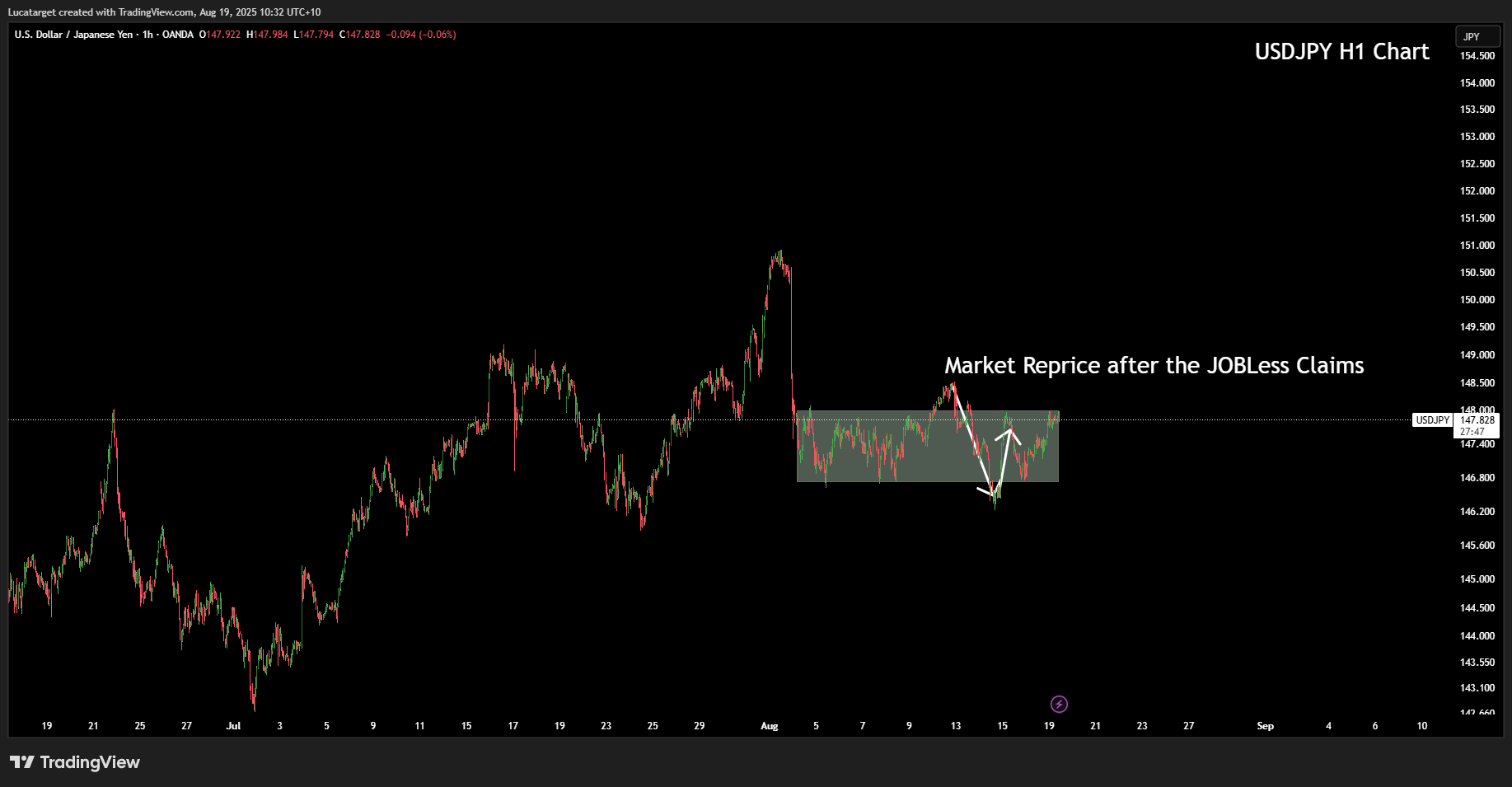
JPY: Ultra-low realised vol and range-bound USTs keep USDJPY sticky. Without a durable decline in US real yields, rallies fade only shallowly. The medium-term case for a stronger JPY needs either a global risk drawdown or a clear Fed dovish pivot, not yet my base case this week.
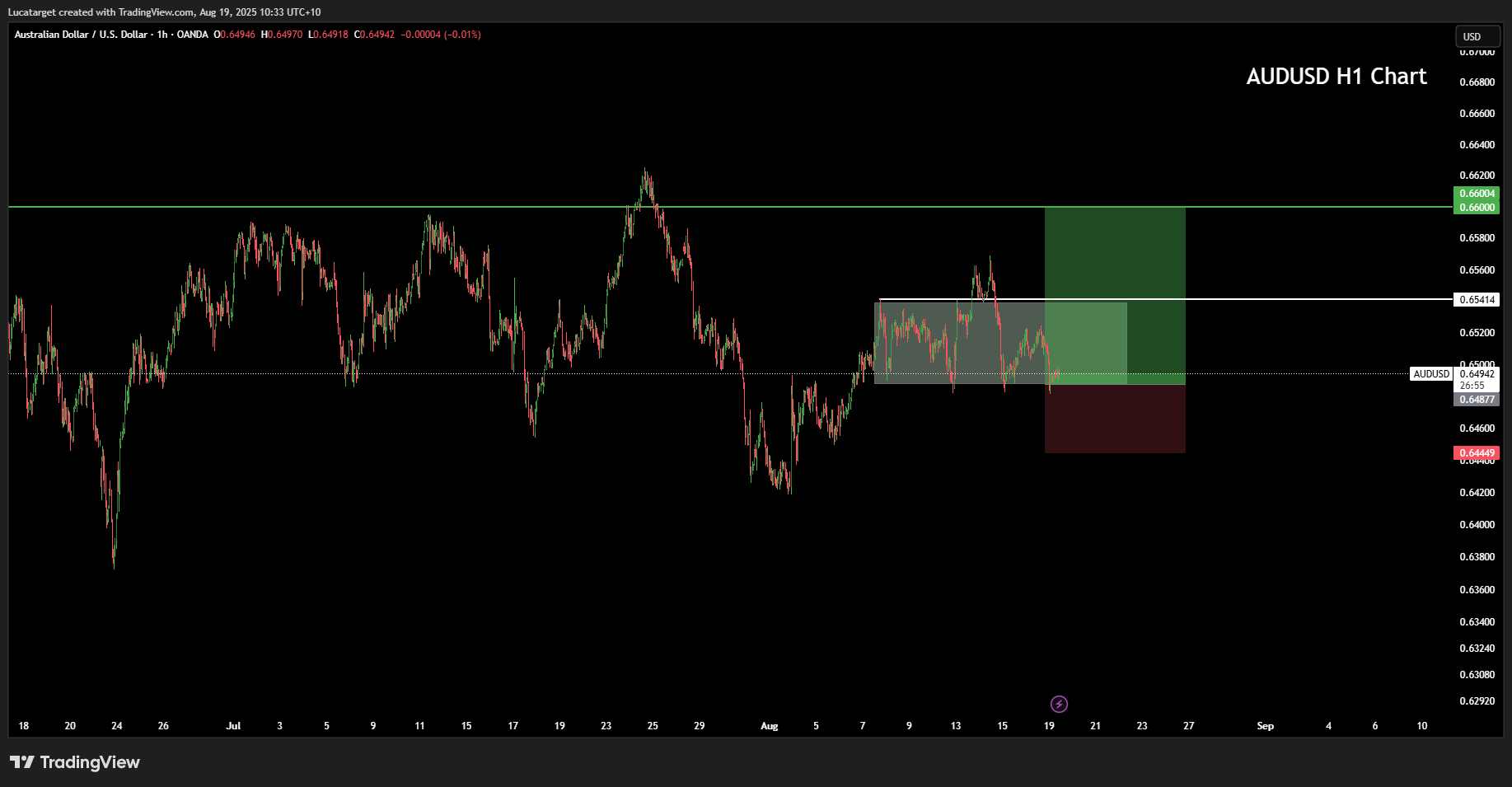
AUD & NZD: High-beta leverage to risk and China proxies makes them the cleanest expressions if Jackson Hole doesn’t lean hawkish. I prefer AUD on dips given balanced positioning and improving terms-of-trade optics, using NZD as a satellite rather than a core risk bet.
This is a week to earn exposure rather than pre-commit it. I’m keeping gross risk light, running smaller clip sizes, and letting the event set the direction. My playbook:
Before Jackson Hole: Run tighter intraday stops, fade edges in well-defined ranges, avoid adding risk during illiquid Asia late sessions.
During the remarks: Watch the first move in 2-year reals and terminal pricing; that’s my anchor for USD impulse.
After the headline: Only scale if breadth confirms, USD strength should be corroborated by higher reals and curve re-pricing, not just a knee-jerk dollar bid.
If Powell validates September easing (soft-dovish):
AUDUSD tactical long on pullbacks toward recent support; target a grind, not a breakout.
EURCHF long to monetise low-vol carry with a mild risk-on skew.
If Powell leans hawkish or downplays September (pushback):
USDJPY buy-the-dip with tight risk; expression of higher US reals without broad risk aversion.
EURUSD fade of spikes back into resistance if the USD impulse has rates confirmation.
If geopolitics unexpectedly de-escalate materially:
Add beta via AUD crosses (AUDCAD, AUDCHF) rather than chasing EURUSD, which is more policy-sensitive than beta-sensitive near term.
A decisively hawkish Powell, explicit discomfort with cutting in September and emphasis on upside inflation risk, would upgrade the USD from range to positive momentum.
A sharp downside surprise in upcoming US housing or services activity gauges would deepen growth scare and cheapen USD via the front end.
A fresh geopolitical shock that widens risk premia lifts USD and CHF while weighing on high beta.
I’m entering Jackson Hole with humility and dry powder. The distribution of outcomes is narrow on policy but wide on interpretation. In that environment, patience is an edge: I intend to react to the quality of the move, rates-led, broad-based, and confirmed by cross-asset signals, rather than the speed of the first headline.
If the Fed preserves optionality without fighting easing expectations, beta should outperform and USD rallies should cap out. If the Fed pushes back, I’ll respect the rates impulse and let USD strength pay for itself before I fade it.
Q1: Why is Jackson Hole such an important event for FX markets?
A1: Because central bankers often use it to signal shifts in monetary policy thinking. Even subtle changes in tone from Fed Chair Powell can reprice expectations for rate cuts or hikes, directly impacting USD and global FX flows.
Q2: What is the main risk for the US dollar heading into Jackson Hole?
A2: The main risk is if Powell pushes back on September rate-cut expectations. That could lift front-end yields and trigger a USD squeeze. Otherwise, the dollar likely stays range-bound if the Fed preserves optionality.
Q3: Which currencies could benefit the most if Powell stays dovish?
A3: High-beta currencies like AUD and NZD stand to gain as risk appetite improves, while EUR could also grind higher if US real yields soften further.
Q4: Why is volatility so important to watch this week?
A4: Volatility across G10 FX is near year lows. When vol is compressed, small policy surprises can trigger outsized moves. Traders need to size positions carefully and respect event risk.
Q5: How are you managing risk into the event?
A5: By keeping positions light, focusing on range trades before the speech, and only scaling exposure once the USD reaction is confirmed by front-end rates and cross-asset signals.
This content may have been written by a third party. ACY makes no representation or warranty and assumes no liability as to the accuracy or completeness of the information provided, nor any loss arising from any investment based on a recommendation, forecast or other information supplies by any third-party. This content is information only, and does not constitute financial, investment or other advice on which you can rely.
ACY Securities is one of Australia's fastest growing multi-asset online trading providers, offering ultra-low-cost trading, rock-solid execution, technologically superior account management and premium market analysis.

Select the categories and companies you wish to follow directly to your person rss feed.
Create Custom RSS FeedSign up and join over 5,000 professional members who receive personalized news alerts, curated professional connections, and more for free!
Multi-asset trading broker AvaTrade has agreed to acquire the majority of FXCM Group’s business and brand, in a transaction that would bring a longstanding retail FX franchise into the AvaTrade Group.
LSEG and CMC Markets have signed a multi-year strategic data agreement expanding CMC's access to LSEG's real-time and delayed pricing, reference and corporate actions data, news and analytics, plus AI-ready content, to support new products, entry into new markets and the growth of CMC's institutional and B2B partnerships.
The Tel Aviv Stock Exchange is considering a bid for the Cyprus Stock Exchange, with Israeli media citing its EU licence, trading platform and clearing house. Euronext’s Athens exchange and India’s National Stock Exchange are also seen as contenders, and Cyprus aims to sign a sale agreement by the end of this year.
CME Group will launch baseball futures on 12 October, pending regulatory review, tracking CME FutureSports Performance Indexes built on Official League Data. Standard and micro contracts will start with the 2026 Postseason and the four clubs in the League Championship Series, trading around the clock.
ESMA has published an opinion stating that MiCA-authorised crypto-asset service providers should cease services tied to non-MiCA-compliant stablecoins for EU clients across MiCA crypto-asset services. National authorities should require remediation of existing exposures within three months, by early January 2027.
Nasdaq Ventures has made a strategic investment in Amsterdam-based derivatives and crypto exchange One Trading, with both firms to explore 24/7 trading of equity futures. The undisclosed investment follows Nasdaq's US$100 million investment in Payward, the parent of Kraken, and CME Group's move to 24/7 trading.
cTrader has opened multi-platform plugins to brokers and prop firms, which can pre-install their own tools for clients or list them in cTrader Store. The plugins run across Mobile, Web, Windows and Mac, and can be built and launched independently of core-platform releases, including trading journals and calculators.
Institutional brokerage and financial infrastructure provider Clear Street has joined TradingView’s broker network, allowing its clients to trade US stocks, exchange-traded funds and options directly through the charting and analysis platform.
Learn how to improve trading psychology, manage fear and greed, avoid revenge trading, and follow your trading strategy with discipline and a trading journal.
GTC Prime has announced a strategic partnership with Centroid Solutions to manage and distribute its liquidity through CS 360 Bridge, Centroid's multi-asset connectivity and execution engine, giving brokers and institutional clients access to tailor-made pricing, low-latency execution and real-time risk management.