just now


Liquidity Finder Ltd is incorporated in England and Wales, company number 10610740, registered address 167-169 Great Portland Street, Fifth Floor, London W1W 5PF, United Kingdom.
Published: just now
The MACD, short for Moving Average Convergence Divergence, is one of the most popular trading indicators in the world. Yet, despite its fame, many traders misinterpret it, using it as a magic signal instead of a tool to confirm what the market is already telling them. In this first part of our MACD series, we’ll break down what it is, how it works, and why pairing it with price action understanding can give you a real edge. Even beginners can start seeing MACD as a lens to understand momentum, trend shifts, and potential reversal points - without overcomplicating their charts.
If you’re just starting out, it’s worth revisiting foundational lessons like Learn Trading From Scratch: Clean, Simple, Zero-Noise or Minimalist Trading Indicators: The Only Tools Beginners Need to see where MACD fits into the bigger picture.
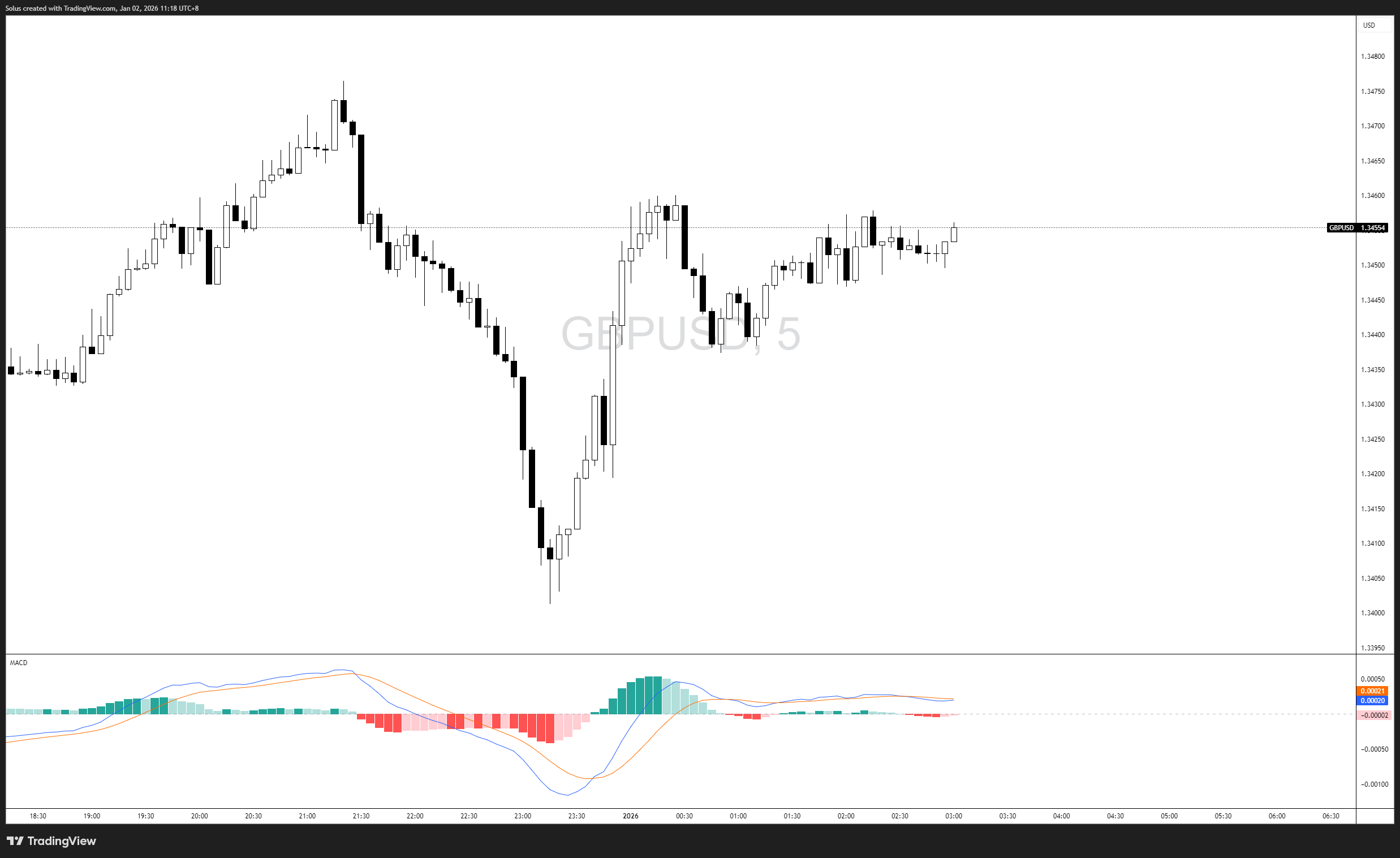
At its core, MACD is a momentum oscillator that compares two moving averages of price - typically the 12-period and 26-period exponential moving averages (EMAs). The difference between these EMAs is plotted as the MACD line, while a 9-period EMA of that difference forms the signal line.
Traders often look for:
But here’s the thing - MACD doesn’t predict the future. It simply reflects changes in momentum. Using it blindly without understanding price structure is a recipe for getting stopped out or chasing fake signals. Beginners should pair MACD with tools like Master Candlestick Entries: Reading Price Action at Key Levels or a simple Daily Trading Routine: Build Consistency and Discipline Fast to avoid common pitfalls.
Think of MACD like a speedometer in your car. It doesn’t tell you the road ahead will curve or if there’s a stop sign - it simply shows how fast you’re going. You can choose to accelerate, brake, or coast depending on what the road ahead looks like. Similarly, MACD shows momentum but leaves the decision-making to your eyes and strategy. A skilled trader never relies solely on MACD; they watch the market “road” closely, identifying key levels, liquidity zones, and structure shifts.
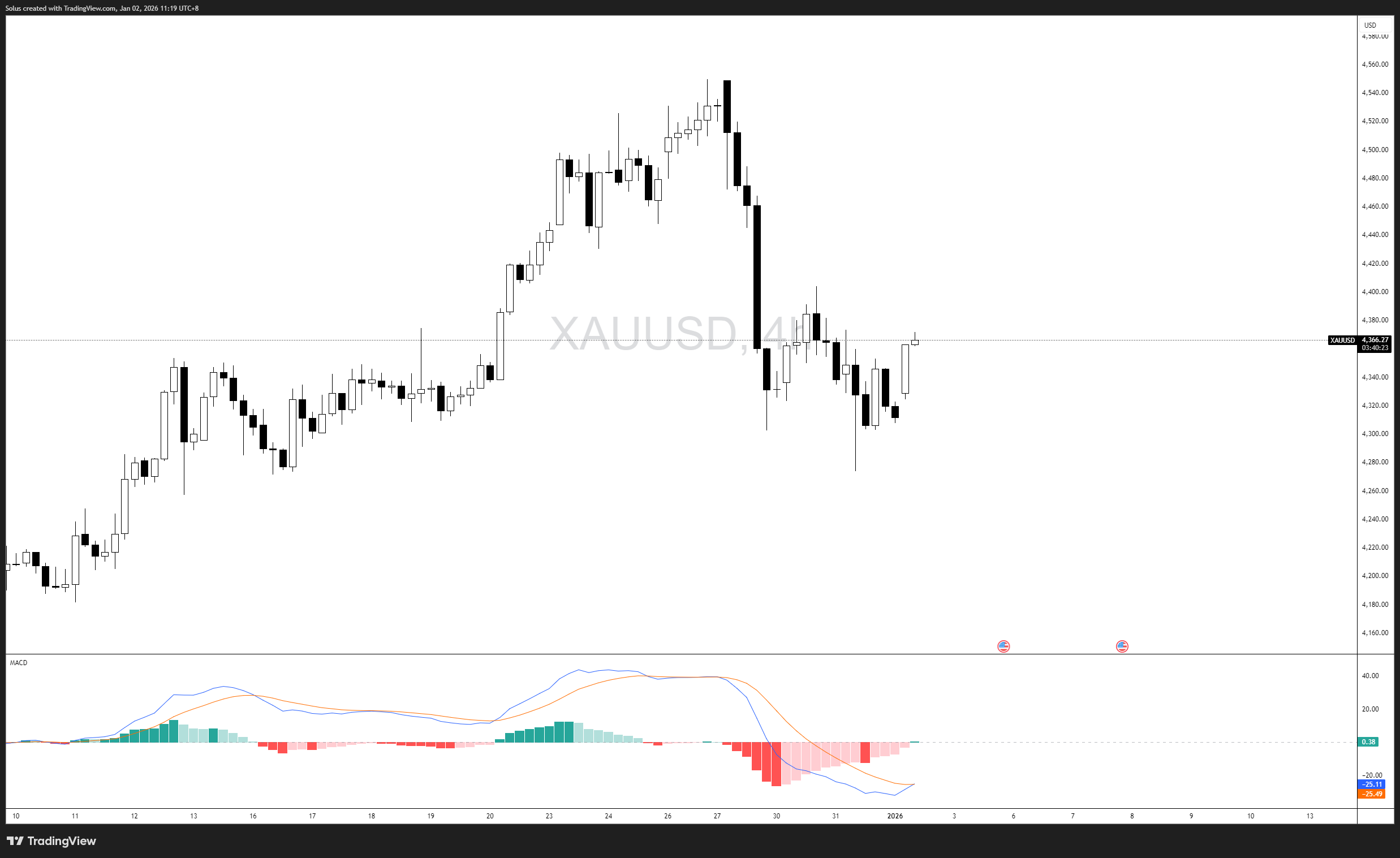
Many beginners make the mistake of treating MACD like a buy/sell button. Common errors include:
Entering trades just on crossovers without considering overall trend.
Ignoring divergence signals that warn momentum is fading.
Overcomplicating charts with multiple oscillators, creating analysis paralysis.
This is why pairing MACD with How to Think Like a Price Action Trader and Trading Risk Management: The Real Edge Behind Consistency is essential. MACD works best as a confirmation tool, not a primary entry trigger.
This week, practice observing MACD without trading. Open a demo account or chart, and for each crossover or divergence you notice, ask yourself:
Is the trend confirmed by price action?
Does the signal align with higher timeframes?
Am I being tempted to trade impulsively?
Document your observations in a trading journal, using lessons from Trading Journal & Reflection - The Trader’s Mirror. This exercise alone will improve your discipline, patience, and understanding of MACD more than jumping straight into trades.
MACD works across timeframes, but beginners often find it easiest on 4H and daily charts. Shorter timeframes like 1M or 5M produce more noise and false signals. For intraday confirmation, combine MACD with Multi-Timeframe Analysis.
No. MACD should always be used as a confirmation tool, not the main signal. Pair it with price structure, key levels, and risk management to avoid premature entries.
Divergence highlights weakening momentum even when price continues in a trend. Recognizing divergence early helps avoid getting trapped in reversals or stop-hunt scenarios, similar to lessons from Stop Hunting 101.
MACD excels at identifying trend strength and potential reversals through divergence. It’s not predictive alone, but when combined with price action and risk controls, it can signal high-probability trades.
The MACD is a powerful, yet misunderstood tool. It tells you about momentum, trend, and potential reversal signals, but it does not replace the disciplined trader’s eyes, mind, or risk management. Part 1 of this series is all about observation, patience, and context.
Next in the series, we’ll explore MACD divergence in detail, showing you how to spot real turning points and avoid the traps that catch most beginners off guard.
ACY Securities is one of Australia's fastest growing multi-asset online trading providers, offering ultra-low-cost trading, rock-solid execution, technologically superior account management and premium market analysis.

Select the categories and companies you wish to follow directly to your person rss feed.
Create Custom RSS FeedSign up and join over 5,000 professional members who receive personalized news alerts, curated professional connections, and more for free!
Multi-asset trading broker AvaTrade has agreed to acquire the majority of FXCM Group’s business and brand, in a transaction that would bring a longstanding retail FX franchise into the AvaTrade Group.
LSEG and CMC Markets have signed a multi-year strategic data agreement expanding CMC's access to LSEG's real-time and delayed pricing, reference and corporate actions data, news and analytics, plus AI-ready content, to support new products, entry into new markets and the growth of CMC's institutional and B2B partnerships.
The Tel Aviv Stock Exchange is considering a bid for the Cyprus Stock Exchange, with Israeli media citing its EU licence, trading platform and clearing house. Euronext’s Athens exchange and India’s National Stock Exchange are also seen as contenders, and Cyprus aims to sign a sale agreement by the end of this year.
CME Group will launch baseball futures on 12 October, pending regulatory review, tracking CME FutureSports Performance Indexes built on Official League Data. Standard and micro contracts will start with the 2026 Postseason and the four clubs in the League Championship Series, trading around the clock.
ESMA has published an opinion stating that MiCA-authorised crypto-asset service providers should cease services tied to non-MiCA-compliant stablecoins for EU clients across MiCA crypto-asset services. National authorities should require remediation of existing exposures within three months, by early January 2027.
Nasdaq Ventures has made a strategic investment in Amsterdam-based derivatives and crypto exchange One Trading, with both firms to explore 24/7 trading of equity futures. The undisclosed investment follows Nasdaq's US$100 million investment in Payward, the parent of Kraken, and CME Group's move to 24/7 trading.
cTrader has opened multi-platform plugins to brokers and prop firms, which can pre-install their own tools for clients or list them in cTrader Store. The plugins run across Mobile, Web, Windows and Mac, and can be built and launched independently of core-platform releases, including trading journals and calculators.
Institutional brokerage and financial infrastructure provider Clear Street has joined TradingView’s broker network, allowing its clients to trade US stocks, exchange-traded funds and options directly through the charting and analysis platform.
Learn how to improve trading psychology, manage fear and greed, avoid revenge trading, and follow your trading strategy with discipline and a trading journal.
GTC Prime has announced a strategic partnership with Centroid Solutions to manage and distribute its liquidity through CS 360 Bridge, Centroid's multi-asset connectivity and execution engine, giving brokers and institutional clients access to tailor-made pricing, low-latency execution and real-time risk management.