just now


Liquidity Finder Ltd is incorporated in England and Wales, company number 10610740, registered address 167-169 Great Portland Street, Fifth Floor, London W1W 5PF, United Kingdom.
Published: just now

Balance of Trade: What Is It and How Does It Work?
Knowing this benchmark by observing at a specific timeframe. First is to take the total value of a country's exports and then subtract the total value of imports. Reviewing these numbers, the final result offers amazing insight into a nation's economic health.
It tracks export and import values over a set period. This measurement is often called the Trade Balance or refer to it as Net Exports also. This trade calculation is the true backbone of the broader balance of payments (BOP).
How do net exports reveal economic relationships?
Net exports allow us to see how a nation interacts globally. A single country cannot exist entirely in a vacuum. And by computing accurate values, we get a real image of these global economic interactions because the numbers never lie.
Tracking these economic interactions involves a few basic concepts.
The broader balance of payments gives us a wider view of a nation's global status. However, the simple trade balance remains the absolute backbone of this much larger framework. It carries the heavy weight.
The Balance of Trade measures a country’s economic status and it is by calculating the difference between its total exports and imports.
BOT is not a standalone indicator. To understand a nation’s true economic standing, you must look beyond the raw numbers:
The Goods vs. Services- The difference between the two provides the true nature of a country’s trade dynamics.
The Context of Surpluses. With a positive balance (or surplus) tells there is an increasing foreign demand for domestic goods.
The Context of Deficits. With a negative balance (or deficit) tells increase in spending on imports than revenue or profits from exports but it is not inherently negative.
The BOT indicator only provides a complete scene or whole picture when analyzed alongside the underlying reasons for that surplus or deficit.
A nation’s trade balance is concluded by the total value of its imports against its exports resulting each of the two, a trade surplus or a trade deficit. Trade surplus exists when a country has more exports more than it imports and this signify strong overseas demand or competitive production advantages. The trade deficit occurs when imports exceed exports, indicating increasing domestic consumption or currency valuations that supports foreign goods. Neither state is essentially indicative of economic strength or weakness rather these balances are complex reflections of a nation’s production capabilities, currency valuation and consumer demand.
When trade surpluses and deficits are often recognized as essentially positive or negative, they are actually neutral indicators that depend entirely on their underlying catalysts. With a surplus might materialize during a recession when consumer demand declines while a deficit can sometimes reflect a wealthy and high-demand economy. This is because the balance of trade does not provide a full story of a nation's prosperity and it must be evaluated alongside broader economic metrics or KPIs like the inflation, unemployment and overall growth to fully grasp a nation's economic stability.
A trade deficit requires a country to borrow money to pay for imports, whereas a surplus allows a country to lend to others. Whether a deficit is sustainable as it depends on a nation's creditworthiness, reliable countries like the United States can maintain large deficits easily while less stable nations may face increasing borrowing costs making their deficits more damaging to their economy.
Since the Trade Balance is not a reliable benchmark of economic stability on its own, it must be evaluated alongside with the extensive business cycle. During period of recessions, countries often prioritize exports to drive job growth and demand, while during periods of economic expansion, they typically increase imports to boost competition and help keep inflation in check.
It merely measures the difference between a nation's exports and imports of goods and services. In contrast, the balance of payments is a much broader record of all international economic transactions, including trade, investments, and financial transfers. The balance of trade is just one ingredient of the balance of payments, specifically residing within the current account, while the capital account covers the movement of financial capital.
The balance of trade and the balance of payments are different, the previous focuses solely on the flow of goods and services, while the other monitors every international or overseas financial transaction.
A country’s trade balance and its balance of payments not consistently align with as an example, if a nation might export more goods (or trade surplus) while simultaneously losing money through financial outflows (or payments deficit), or conversely, it could import more goods (trade deficit) while attracting enough investment to maintain a payments surplus. Also, when its currency increases its value, the exports become more expensive for foreign or international buyers as imports become cheaper for the locals, which often leads to a decline in exports, an increase in imports, and following a trade deficit.
Trade Surplus
How Does a Trade Surplus Create a Positive Inflow of Money?
A trade surplus directly influences how cash moves across cross borders. When the value of a country's exports exceeds the value of its imports, extra cash quickly floods into the nation. Promoting goods brings recent earnings, while buying or purchasing foreign items drains it away.
This creates a positive inflow of money for the selling country. As more products ship out into the world, increasingly larger payments arrive from foreign buyers.
This creates an incredibly steady stream of international income, which builds a massive financial safety net for the government. It keeps the economy hot.
Here is exactly how the cash flow works
Exports: Goods sold outside the country bring money in.
Imports: Goods bought from outside the country send money out.
The Result: A surplus leaves the country with extra cash.
The Task of the Balance of Trade
To track all this moving cash, experts look closely at the balance of trade. This important metric compares the total value of everything exported against everything imported during a specific period. When exports easily win the race, the final calculation is always much greater than zero.
Seeing a positive number here proves that the money flowing in is greater than the money flowing out. It serves as the ultimate proof of a stable economic surplus. Global leaders keep on tracking this positive number very closely to completely understand their overall global financial standing. It shows they are winning.
When a Trade Deficit to a Surplus. How Countries Shift the Balances
To make this huge vision to materialize, the leaders usually try to close the gap by pushing hard on export-oriented manufacturing, or by aggressively extracting natural resources to ship overseas or international. While these enormous economic ideas may sound amazing on paper, the daily reality for regular people is far more complex. Every bold financial choice brings a unique mix of hidden dangers and unintended consequences. Moving the needle on trade is incredibly hard. There are always trade-offs.
When A Nation Go From a Trade Deficit to a Surplus
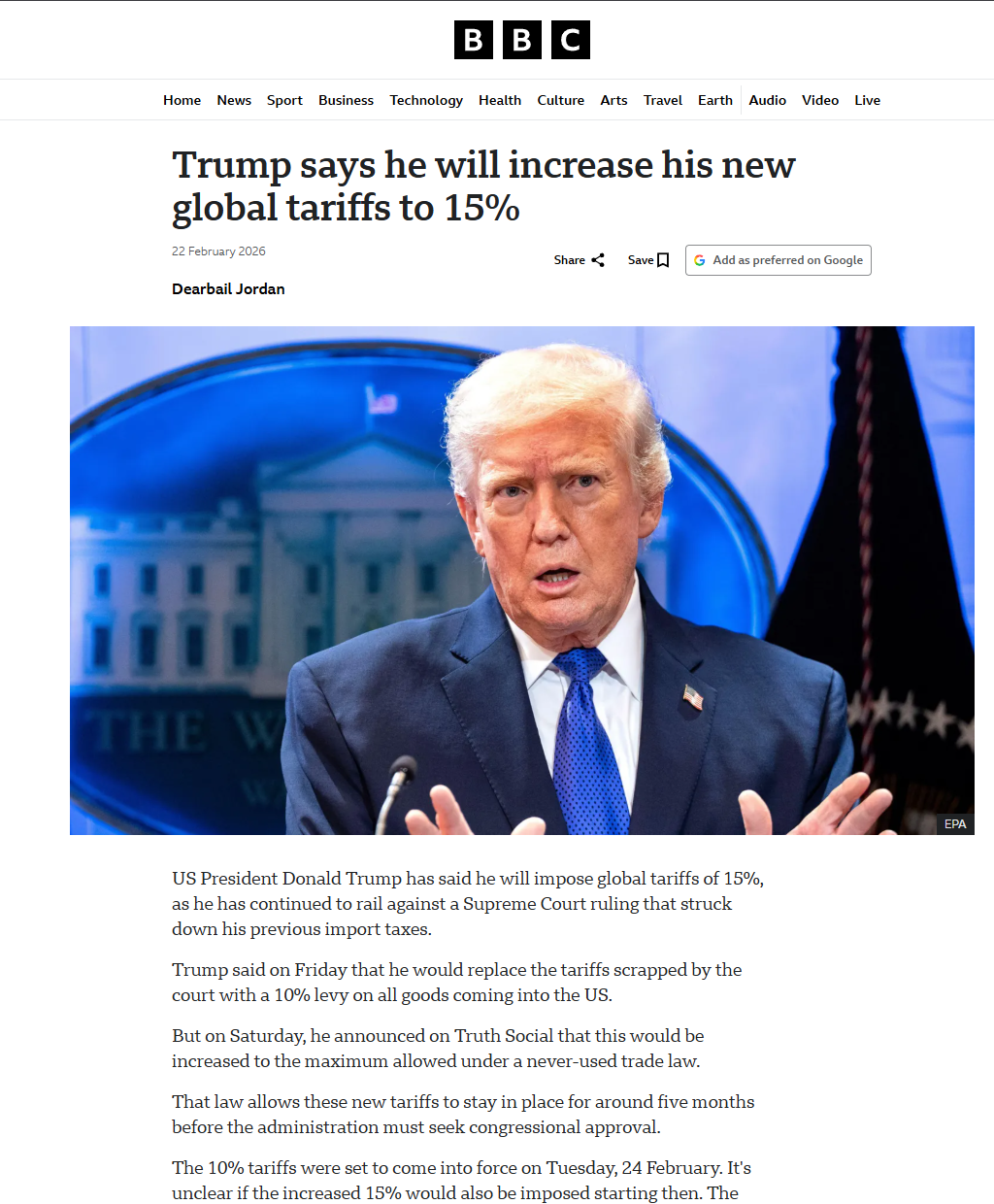
Source: BBC
Leaders rely on a few specific tools to completely change their global trade numbers. One common method is to slap strict tariffs on imported goods to block outside competition and encourage local buying. Another highly controversial strategy involves intentionally devaluing a currency. It is a bold move.
Why Do These Changes Hurt the Economy?
Sadly, manipulating the market to boost exports hurts regular citizens. When leaders change the economic rules, they trigger severe consequences. You will typically experience these precise economic trade-offs:
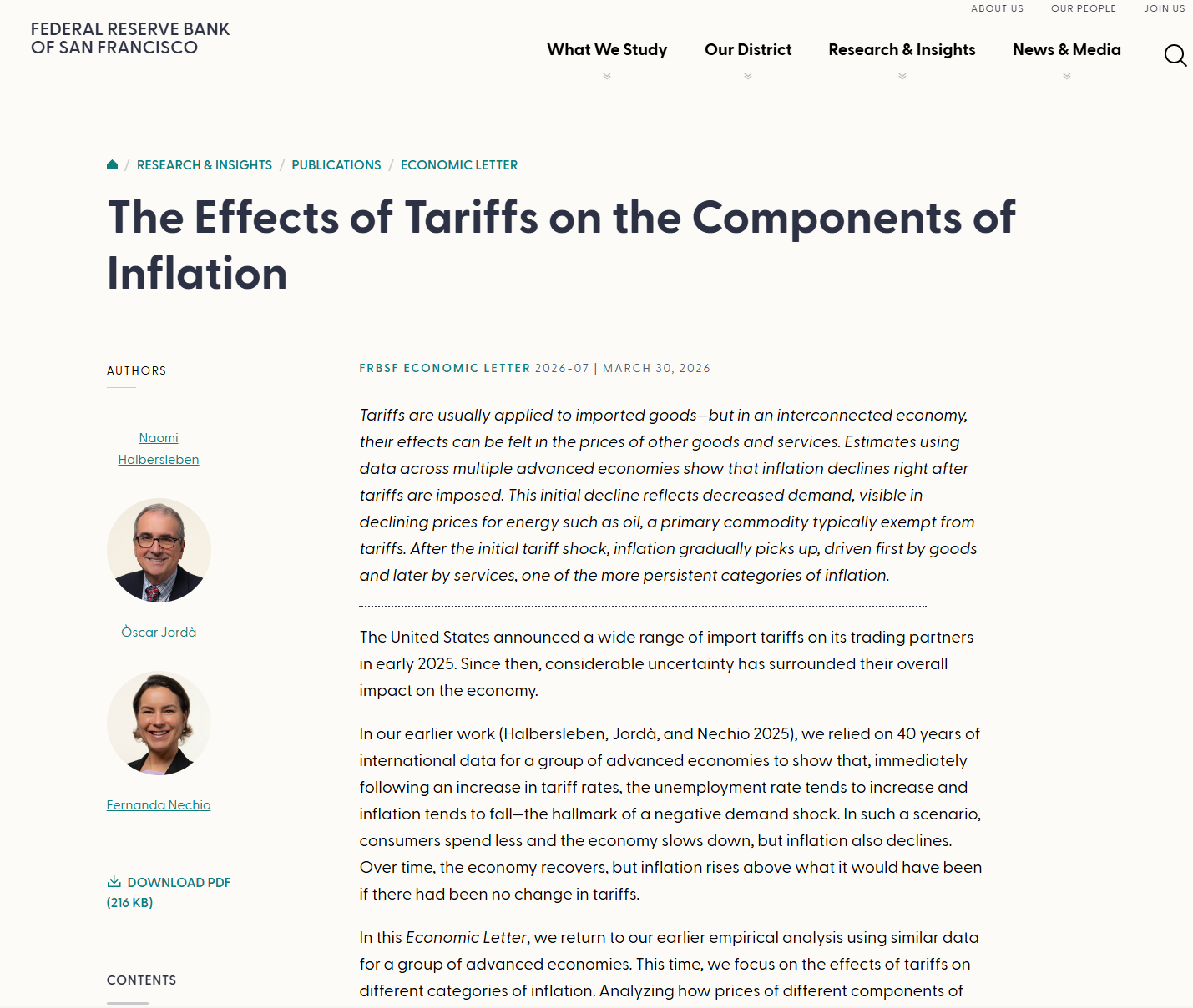
Source: Federal Reserve Bank of San Francisco
These aggressive tactics create a heavy financial burden for normal households.
Prices rise fast.
Metric
When does a trade surplus usually happen?
A positive result creates a trade surplus as this occurs when a nation’s exports is higher with its goods than its importing products, meaning the country earns more than it spends or more profits than expenditures. They view this as a sign of economic strength, but it is not a sole indicator of financial stability. It needs context.
Is a trade deficit a negative?
A numerically negative result creates a trade deficit. A nation running a deficit is spending significantly more on imports than it earns from exports. This situation can become a major cause for concern if it persists over a very long period of time.
A deficit is not always a terrible problem for a nation. Many highly successful economies have run these negative balances for decades without any major issue. This metric is just one piece of a country's balance of payments, which records all international financial transactions.
Balance of Trade Trading: Measuring Currency Demand
Instead, it is a practical way to track current currency demand. Confirming the data to measure factual Balance of Trade market forecasts providing exactly what the crowd or market’s impression and this shift in focus that changes absolutely everything.
Balance of Trade Trading Measure Market Expectations
Verifying the figures of Balance of Trade is an assessment of the market as you read the data to see what traders expect to happen next based on solid, proven facts.
Why Is Currency Demand Important?
This specific data highlights the true currency demand within the financial system. Buyers and sellers show their hands through these trade balances, making their underlying intentions incredibly obvious. Focusing on these expectations gives you a clear edge.
Trade Surplus and Currency: How Imports and Exports Work
The flow of international or foreign currency almost always comes down to the basic concepts of buying and selling. Nations must swap money when they swap goods. With this basic exchange it is exactly where the relationship between a trade surplus and currency becomes incredibly important to grasp.
The simple act of shipping boxes across the ocean actively changes the value of a nation's money. Whether a country is sending out heavy machinery or bringing in tons of electronics from overseas, these massive financial exchanges constantly shift the balance of the global market. If you truly want to understand how global finance operates, you must pay close attention to where the physical products are going. Trade drives everything.
How Does a Trade Surplus and Currency Value Connect?
When a nation successfully exports its homegrown goods to the rest of the world, foreign buyers cannot simply pay with their native money. Those international customers must actually buy the exporting country's money to settle the bill. Because these transactions happen on a massive scale, this necessary exchange continuously fuels an enormous amount of global currency demand. Prices jump.
The link between a trade surplus and currency is simple. It happens whenever a nation manages to export far more goods than it imports from others. Because so many foreign buyers are forced to purchase the local money to pay for these exports, the overall demand for that specific cash rises naturally across the globe. Everyone is interested with that piece.
What Happens When a Country Imports Goods?
The real exact opposite effect usually happens when a nation relies heavily on bringing in goods from other locations. A country must sell its own money to buy or purchase the imports. Then, the importing country uses those freshly converted funds to purchase the preferred currency of the foreign exporting nation which value drops quickly.
How Does a Trade Deficit Affect the Market?
A trade deficit happens when a nation imports more than it ships out. Because the country is constantly dumping its own cash to buy foreign goods, this dangerous imbalance creates a massive natural supply of the country's money in the open market. This overabundance of cash directly leads to intense selling pressure on the currency. Money loses power.
Why Do Imports and Exports Matter So Much?
By looking at these simple economic concepts, you can clearly see exactly how the flow of physical goods acts as the true heartbeat of global currency values.
Trading Economic Numbers. How to Trade Actual vs Predicted
When you engage in currency trading, expectations are everything. If you only look at the official release, you will always be a step behind the crowd. You need to compare that hard data to analyst predictions to see the full picture. Watch the gap closely.
Why is Trading Economic Numbers About Expectations?
Traders do not just trade the number itself. They focus entirely on the crucial difference between the actual result and what the financial analysts predicted beforehand. This is exactly how the global market truly breathes. Trade the surprise.
If Results Are Better Than Expected
There were times a country reports a much smaller deficit than the predicted value. Alternatively, as they might show a surprisingly large surplus that grabs the market completely off guard. When this positive data hits the wire, the currency usually increases or rises. Then buyers jump in fast.
Why does this cause a price jump? The market suddenly realizes the economy is far more competitive than they originally thought. Eager investors rush in to scoop up the asset before the window of opportunity completely closes. Prices shoot up.
If Results Are Worse Than Expected?
On the flip side, data may also miss the mark. A country might report a larger deficit or a much smaller surplus than anyone initially expected or anticipated. When this negative shock hits, the currency usually falls. Sellers take total control.
When trading economic numbers, traders immediately interpret this poor result as a glaring sign of economic weakness. Panic sets in as frightened investors dump their holdings to avoid suffering any further financial losses. The entire financial market drops incredibly fast. Watch the charts cascading lower.
Disclaimer: This content may have been written by a third party. ACY makes no representation or warranty and assumes no liability as to the accuracy or completeness of the information provided, nor any loss arising from any investment based on a recommendation, forecast or other information supplies by any third-party. This content is information only, and does not constitute financial, investment or other advice on which you can rely.
ACY Securities is one of Australia's fastest growing multi-asset online trading providers, offering ultra-low-cost trading, rock-solid execution, technologically superior account management and premium market analysis.

Select the categories and companies you wish to follow directly to your person rss feed.
Create Custom RSS FeedSign up and join over 5,000 professional members who receive personalized news alerts, curated professional connections, and more for free!
Bybit has launched Perp Options, described as the first options contracts built on TradFi perpetuals, giving traders round-the-clock access to US equity options. SpaceX and Nvidia are the first underlying assets, with USDT settlement and integration into Bybit's Unified Trading Account.
Use this trading preparation checklist to plan your session, define entry rules, manage risk, and build a disciplined trading routine in seven steps.
Your Bourse expands its crypto liquidity ecosystem with Caladan, giving brokers access to broader market coverage, institutional execution capacity and streamlined settlement.
Scope Markets, the retail brokerage part of Rostro Group, has appointed Ibrahim Hossny as Head of Research and Marketing for the Middle East and North Africa.
Hantec Prime, the institutional division of Hantec Markets, has reported trading volume up more than 300% year-to-date, alongside the addition of 42 new institutional clients since December, capping one of its strongest years of growth to date.
Learn how to refine XAUUSD support and resistance on the daily chart using candle bodies, market structure and weekly gold levels for swing trading. A slug alone cannot guarantee a top Google ranking. Keep it focused rather than adding every supporting keyword.
The week in Dubai will be focused on connecting directly with the industry and discussing how technology can help modern brokerages simplify operations, automate workflows, strengthen operational control, and scale efficiently.
Devexperts has launched a turnkey solution giving brokers in South Korea access to US equity markets, combining its DXtrade trading platform, dxFeed market data, and execution services. The offering targets South Korea's growing retail demand for US stocks, worth several billion USD monthly.
Assess why WTI crude oil surged past $105 per barrel amid Saudi pipeline disruptions, record tanker charter rates, and escalating geopolitical tensions.
Bitcoin price forecast: BTC/USD retests $78,460–$80,215 resistance. Watch bearish confirmation toward $72,480 or a bullish breakout toward $86,150.